
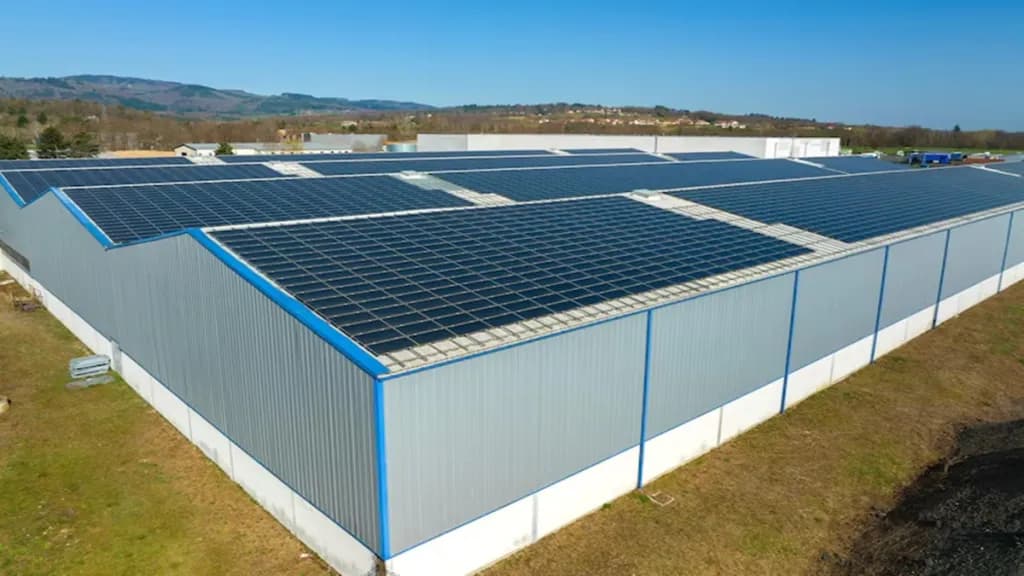
Sun King has moved to make its new solar inverter range appealing to larger businesses and households with high energy-energy demands.
Experts say customers whose electricity needs go beyond basic lighting and phone charging has resulted in players in solar space increasing their target to include appliances like water pumps, washing machines, microwaves and air conditioners.
Unlike smaller installations designed for limited electricity use, higher-capacity systems can support more appliances, depending on the inverter size, battery storage and solar generation capacity.
“Growing demand for reliable electricity is pushing solar providers to introduce larger systems capable of powering appliances, businesses and essential services,” says Elisha Adie, Sun King’s country business leader.
The company has expanding its inverter capacity range from 2.2 kilowatts (kW) to 30kW to serve customers ranging from households to schools, healthcare facilities and light industrial operations.
Its “PowerHub” systems can be connected in parallel, allowing two or more units to operate together to increase their combined power output. Customers can also expand their installations over time by adding solar panels and battery storage without necessarily replacing existing equipment.
“The PowerHub Pro, for example, has a 5-kilowatt inverter, a 5-kilowatt-hour battery and approximately 2.7 kilowatts of rooftop solar capacity. This can support appliances such as water pumps and washing machines,” said Adie explains.
While PowerHub Max delivers up to a 10kW inverter, 20kWh battery, and 11kWp solar array, PowerHub Ultra scales up for heavier loads with a 30kW inverter and 15–120kWh of storage.
The different configurations allow customers to select systems according to their electricity requirements. However, the amount of power available at any given time and how long a system can run appliances will depend on its configuration and energy consumption.
For businesses and institutions that depend on diesel generators during power outages, solar and battery systems could provide an alternative source of electricity and reduce fuel consumption.
“One of the benefits of embracing solar energy is that it can reduce reliance on diesel generators, lowering fuel consumption and associated emissions. However, the extent of these benefits depends on how much diesel use is displaced and how the solar system is used,” Adie said.
Ppotential savings hinges on how much electricity a customer consumes, how often a generator would otherwise run and the proportion of demand met by solar power.
For customers considering the switch, the size of the installation is important. An inverter’s capacity determines how much power it can deliver at a given time, while battery storage determines how much energy can be kept for use when solar generation is low or unavailable.
A larger inverter alone does not guarantee longer backup periods, particularly where battery storage is limited or appliances consume large amounts of electricity.
The cost of installing higher-capacity solar systems remains an important consideration for households and businesses weighing the investment against grid electricity or generator use.
Full range of PowerHub Solar Inverters are available now across Kenya through Sun King’s nationwide agent network, starting from KSh 15,500 a month with a KSh 22,600 down payment.

Comments
No comments yet. Be the first to share your thoughts.