

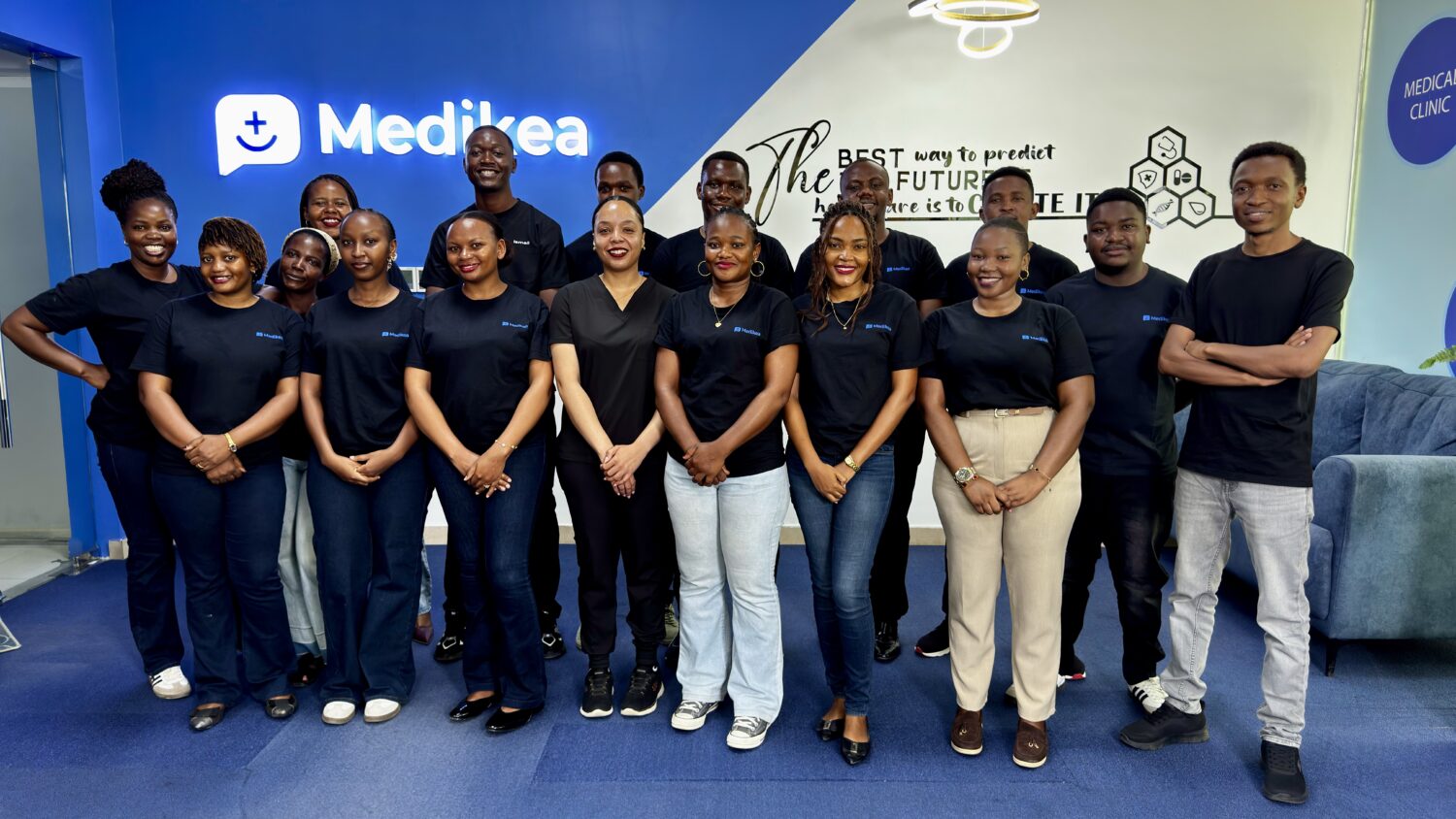
Medikea, a Tanzanian healthtech company that runs its own clinics, labs and pharmacies, raised $1.2 million in pre-seed funding to open sites in Arusha and Morogoro, bringing its network to four clinics.
Baobab Network, Catalyst Fund and develoPPP Ventures led the round. Madica, Impacc, Hustle Fund, O’Shaughnessy Ventures, Madiro and one angel investor also participated.
The company is wagering that owning the delivery of care, rather than building software on top of existing providers, is the route to both affordability and profit in a market where many patients delay or skip treatment.
A fragmented system
In Tanzania, public facilities absorb a large share of demand, while private care is priced beyond the reach of most people, who pay out of pocket. Patients often travel to separate locations for consultations, diagnostics, specialist care and medicines, with no single record linking the journey. Many delay care, skip it or self-medicate at a pharmacy counter.
Medikea operates its own clinics, diagnostic labs and pharmacies, offers round-the-clock virtual consultations, employs a salaried clinical team and builds its technology in-house. Beyond primary care, it runs specialist services in paediatrics, women’s health, dermatology, fertility and chronic disease, which the company says generate higher revenue per patient and stronger margins. It says its prices sit below comparable private providers.
“If you layer technology on top of a broken system, you are digitising inefficiency,” said Dr. Elvis Silayo, co-founder and chief executive. “You inherit someone else’s costs and someone else’s quality problems, and you can’t scale past them.”
Economics of an episode of care
The model rests on a simple observation: a consultation alone is low value, and most of the cost of treatment lies in the tests and medicines that follow. By owning the clinic, laboratory and pharmacy, Medikea captures revenue across the full episode of care. The company says this offers stronger economics than consultation-only models and a clear path to profitability as the network grows.
Medikea focuses on outpatient care and refers patients to partner hospitals when they need hospitalisation, surgery or advanced procedures.
The company has also found that patients who first meet a doctor in person are more willing to consult that doctor online later. “The clinic is what makes telemedicine work,” Silayo said, arguing that trust in the market is built face to face.
Maxime Bayen, a partner at Catalyst Fund, said the firm backed Medikea early for its potential to deliver “a more affordable, continuous and climate-resilient model” of outpatient care, citing growing climate-related health risks in the communities it serves.
Growth targets
Medikea serves both out-of-pocket patients and insured members, with partnerships including NHIF, Jubilee Insurance, Assemble Insurance and GA Insurance. The new capital will fund growth, product development and additional specialist services.
The company aims to treat more than 100,000 patients over the next 12 months and expand from four clinics to 10 across Tanzania by the end of 2027, before moving into other African markets.
Medikea describes its mission as advancing health and longevity for millions of people across Africa.



Comments
No comments yet. Be the first to share your thoughts.