
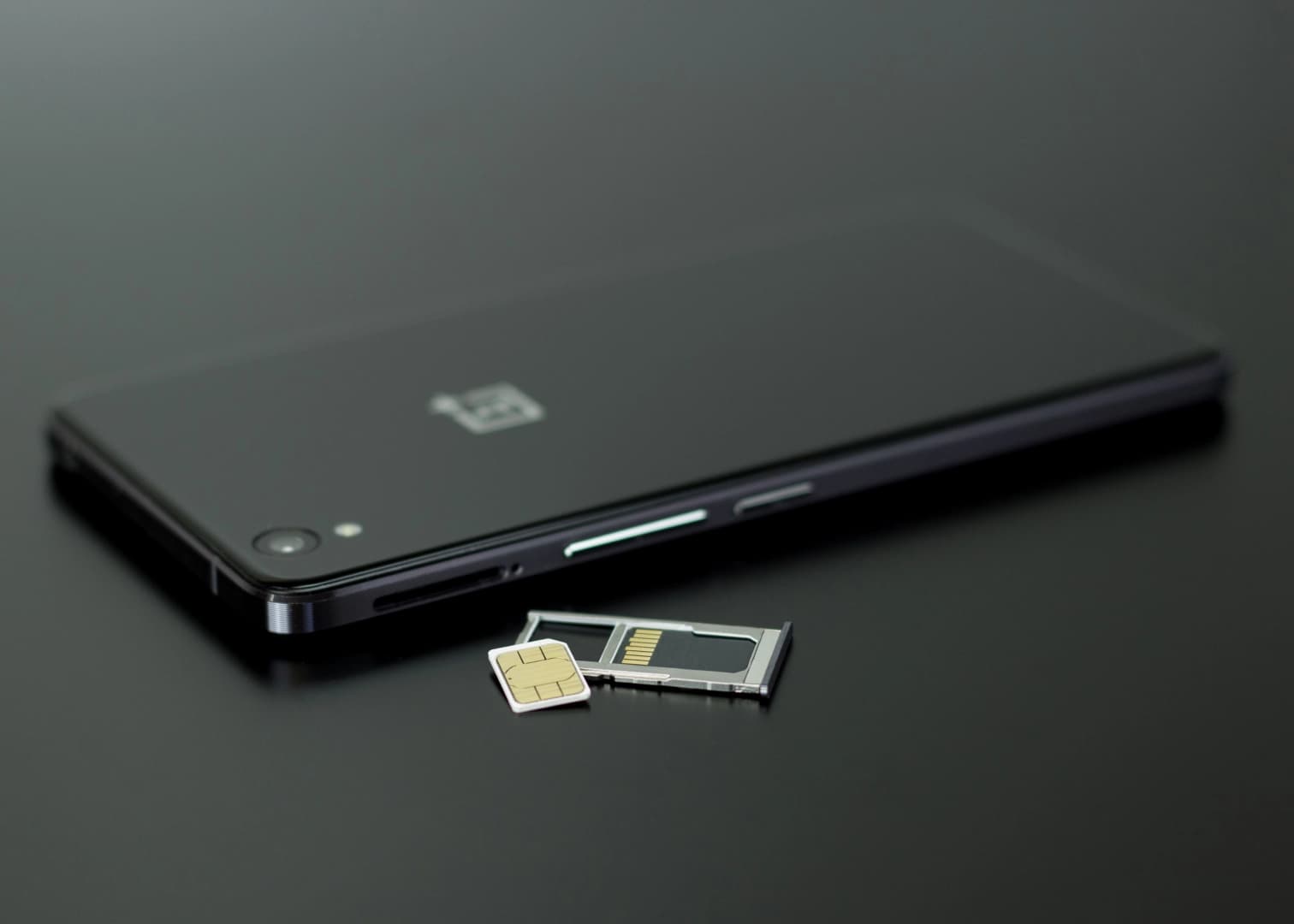
Active mobile subscriptions hit 88 million by the end of June 2026, up 4.6% from the previous quarter. That works out to a mobile penetration rate of 165%, meaning the average Kenyan effectively carries more than one and a half SIM cards.
A year earlier, penetration stood at 146.3%, so the country added nearly 19 percentage points of penetration in twelve months.
The growth is mostly a numbers game between operators rather than new people getting phones for the first time.
The Sector Statistics report attributes it to “customer win-back campaigns” run by mobile network operators, essentially companies fighting to reclaim inactive or lost subscribers rather than signing up first-time users.
Safaricom holds the largest share of mobile subscriptions at 69.8%. Airtel and Telkom Kenya split most of what’s left, with Telkom trailing in every category the regulator tracks.
Prepaid lines dominate the market: for every 100 mobile lines in the country, about 97 are prepaid and only 3 are postpaid.
Smartphones are also pulling ahead of basic phones. By June 2026 there were 52.3 million smartphones connected to networks, up 4.2% in a quarter, while feature phone connections fell 3.9% to 27.4 million.
Combined, that’s 79.7 million devices connected, a device penetration rate of 149.4%. The shift is being driven by wider rollout of 4G and 5G networks, which make feature phones less useful for accessing the internet-based services Kenyans increasingly rely on.
A smaller but faster-growing category is machine-to-machine (M2M) connections, the SIM cards embedded in things like vehicle trackers, payment terminals, and smart meters rather than in phones people carry.
| Device Type | Connections | Quarterly Change |
|---|---|---|
| Smartphones | 52.3 million | ↑ 4.2% |
| Feature Phones | 27.4 million | ↓ 3.9% |
| Total Devices Connected | 79.7 million | — |
| Device Penetration Rate | 149.4% | — |
M2M subscriptions grew 11% in a single quarter and 24.1% over the year to reach 2.22 million, reflecting rising use of internet-of-things applications across the economy.
Behind all these subscriptions is a growing workforce. Mobile network operators employed 11,660 people as of June 2026, up sharply from 7,988 a year earlier, a jump of nearly 46%. The gender split within that workforce stood at 56% male to 44% female.
The employment growth suggests operators are staffing up around new services and infrastructure rather than just maintaining what they already had, consistent with the aggressive subscriber acquisition and network expansion described elsewhere in the report.



Comments
No comments yet. Be the first to share your thoughts.