
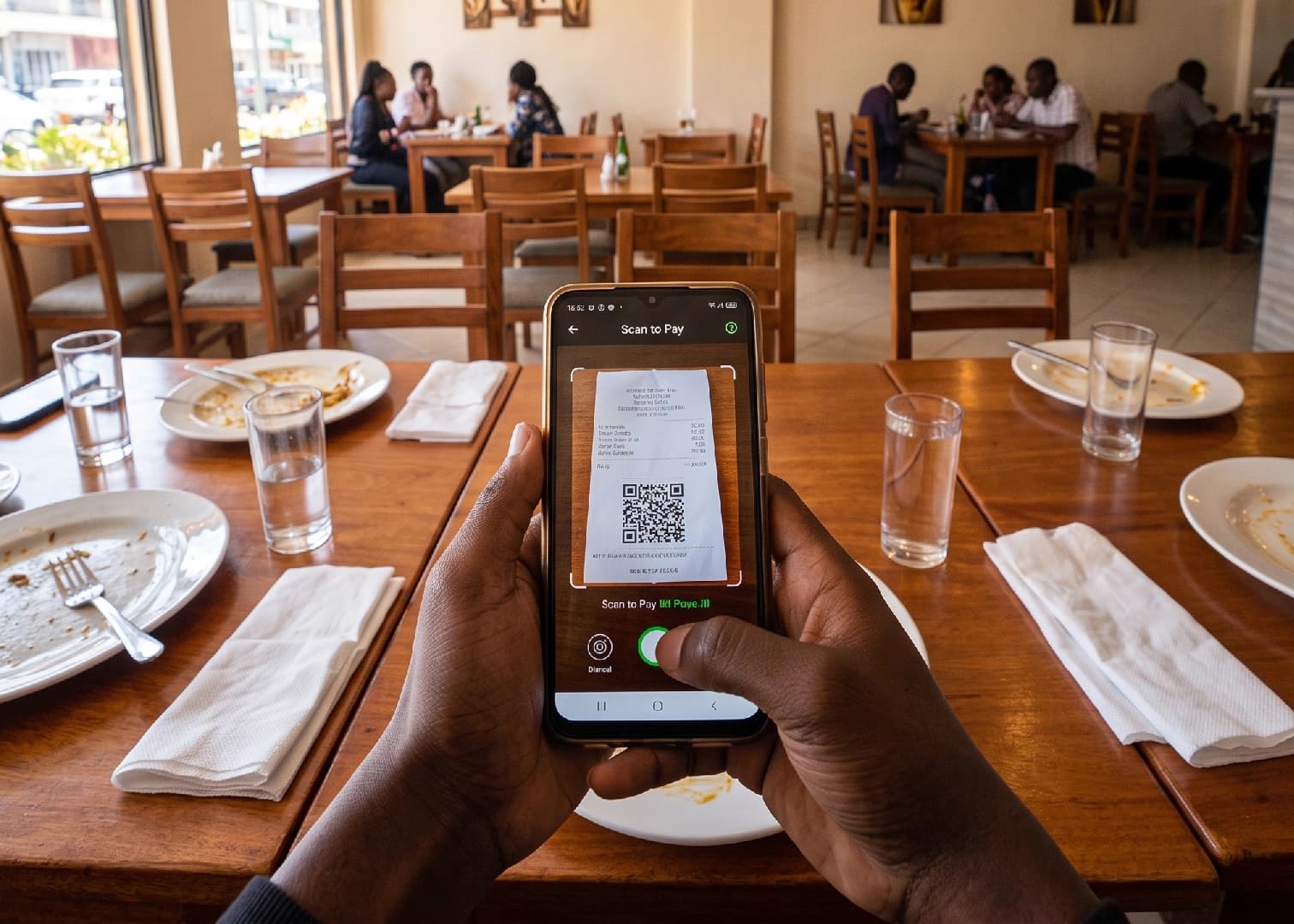
Paying through M-PESA at a busy counter usually means squinting at a Till/PayBill number on a crumpled receipt and tapping it in digit by digit, hoping one wrong key doesn’t send your money somewhere else.
Safaricom is expanding its use of AI in payments, with AI Pay now available within the M-PESA experience on My OneApp. The app has been downloaded more than 7 million times, and customers can already use AI Pay.
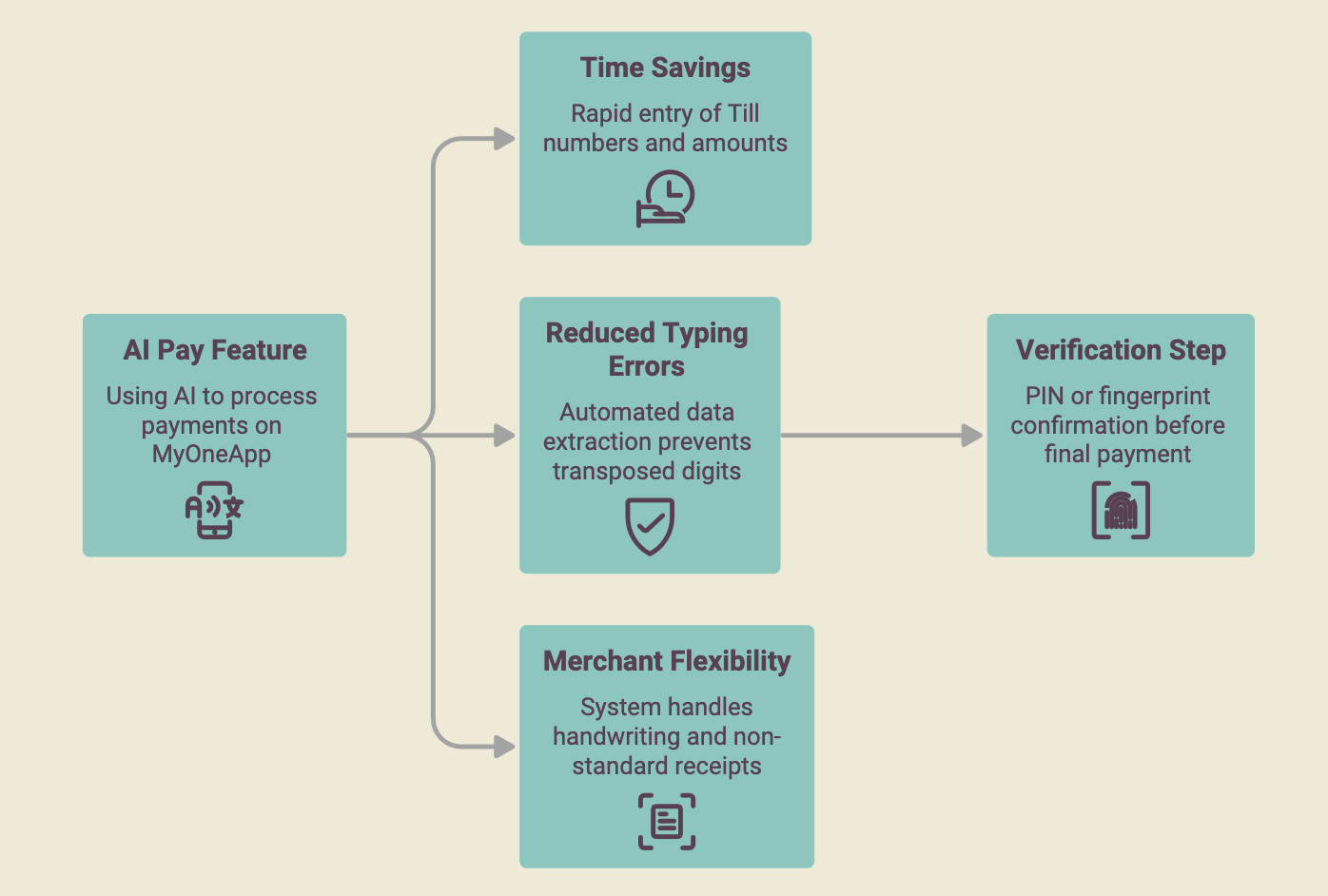
The idea is simple: your phone reads the receipt for you. Customers scan a printed or handwritten receipt, and when the details are clear, AI Pay identifies the Till or PayBill Number and the amount, then fills them in on the payment screen.
This reduces the amount of information customers have to enter manually, making small payments quicker and easier.
Rather than typing numbers from a document, a customer shares the receipt or payment information with the app and lets the system work out the rest.
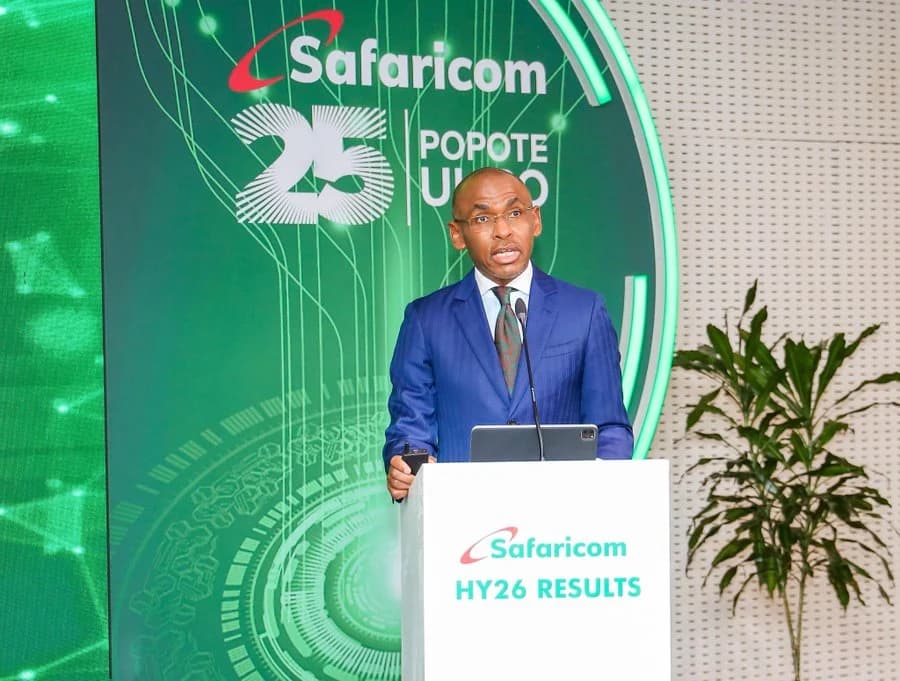
Safaricom’s Group Chief Technology Officer, James Maitai, described the process as follows:
“The system can process the receipt, identify the relevant details, and determine the amount that needs to be paid.”
Once the details are filled in, the customer finishes the payment by entering their M-PESA PIN or using their fingerprint, the same confirmation used for any other M-PESA transaction, so the final approval stays with the person paying.
Handwritten receipts are part of the design, which counts for a lot in a market where plenty of everyday trade, from small shops to hardware stores and service providers, still runs on scribbled notes and hand-written invoices rather than neat printouts.
The automatic filling works where the details are available, so a receipt with no payment information on it, or one too faint to read, will probably still need some typing.
The most immediate gain is time. A Till/PayBill number and an amount take only seconds to type, yet those seconds repeat across the many payments people make in a week, and they feel longer when a queue is forming behind you.
There are also fewer typing errors to worry about. Since the app takes the numbers directly from the document, there is less chance of entering the wrong digits and sending a payment to the wrong account or causing it to fail.
The PIN or fingerprint step also gives customers one last chance to check the details before the payment goes through.
The feature also reflects how small businesses actually operate. By handling handwritten receipts, it allows merchants to keep using the same way of issuing receipts without changing their routine.
This makes it more useful for people who regularly buy from the same local traders than a tool designed only for neat, standardized documents.
Safaricom started looking at AI-enabled payments some time back, and the service has since matured to the point where it is now open to more customers.
It joins a steady run of additions to My OneApp, which gives each new feature a ready audience of more than 7 million downloads and gives customers fewer reasons to leave the app for something else.
The real test will come in everyday conditions, with messy handwriting, crowded receipts, and dim shop lighting, which is where a scanner either earns its place on the home screen or sends people back to typing by hand.

Comments
No comments yet. Be the first to share your thoughts.