
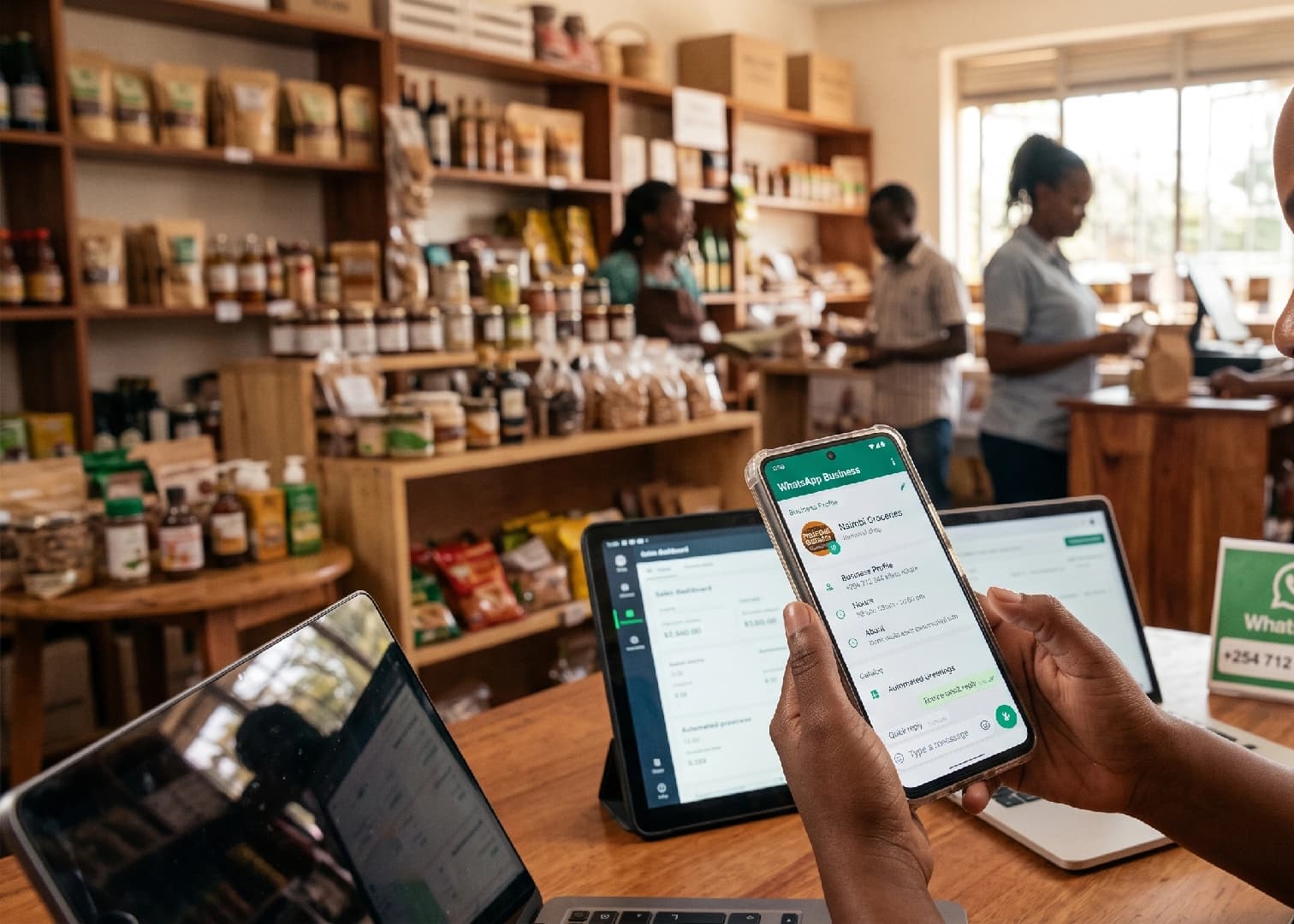
Meta’s latest WhatsApp Business pricing change is less about charging for WhatsApp itself and more about changing the economics of customer support on the platform.
From October 1, 2026, businesses using the WhatsApp Business Platform, the API that connects WhatsApp to CRMs, contact-center software, chatbots, and other systems, will begin paying for some messages that were previously free.
Service messages will become chargeable after a monthly allowance of 1,000 delivered messages per business phone number, while utility templates sent during an active customer-service window will also become billable.
That distinction matters because the change will affect businesses very differently depending on how they use WhatsApp.
The 24-hour window is staying. When a customer messages a business, WhatsApp opens a window during which the business can reply with ordinary, non-template messages, and every new message from the customer restarts the clock.
What is changing is the cost of those replies. Until September 30, businesses could send them without a Meta messaging charge.
From October 1, Meta will count each delivered service message individually, with the first 1,000 per business phone number each month remaining free and charges starting from the 1,001st.
The allowance does not roll over, and each business number receives its own. That also means 1,000 free messages is not the same as 1,000 free customers or conversations.
A customer who asks a bank three questions could trigger several outgoing replies, and if an agent answers each question separately, every delivered reply uses up part of the allowance.
Automated replies count too, so a chatbot answering customers through the API is still producing billable service messages.
This is where the change could alter how businesses design their WhatsApp support.
Consider a business that handles 50,000 customer conversations a month. The number of conversations alone does not determine its Meta bill. What matters is how many chargeable messages it delivers.
A support operation that resolves a request in two outbound messages has a different cost profile from one that sends eight separate messages during the same interaction.
At the reported Kenyan rate of about $0.004 (~KES 0.52), a business sending 100,000 delivered service messages would have approximately 99,000 chargeable messages after the free allowance. That would put the Meta portion of the bill at about KES 51,480 before provider charges, taxes, or other costs.
The implication is that businesses now have a financial reason to examine their message flows, rather than simply measuring how many customers they support.
The change also ends free utility templates during the 24-hour window. Utility messages are the transactional notices tied to something a customer has already asked for or bought, such as order updates, payment notifications, appointment reminders, and account alerts.
They must be specific and non-promotional. Those sent outside the window were already charged, so the new rule extends paid treatment to messages sent while a customer is actively chatting with the business.
These messages also do not draw on the 1,000-message allowance, which applies only to service messages. A single conversation can therefore carry two different costs.
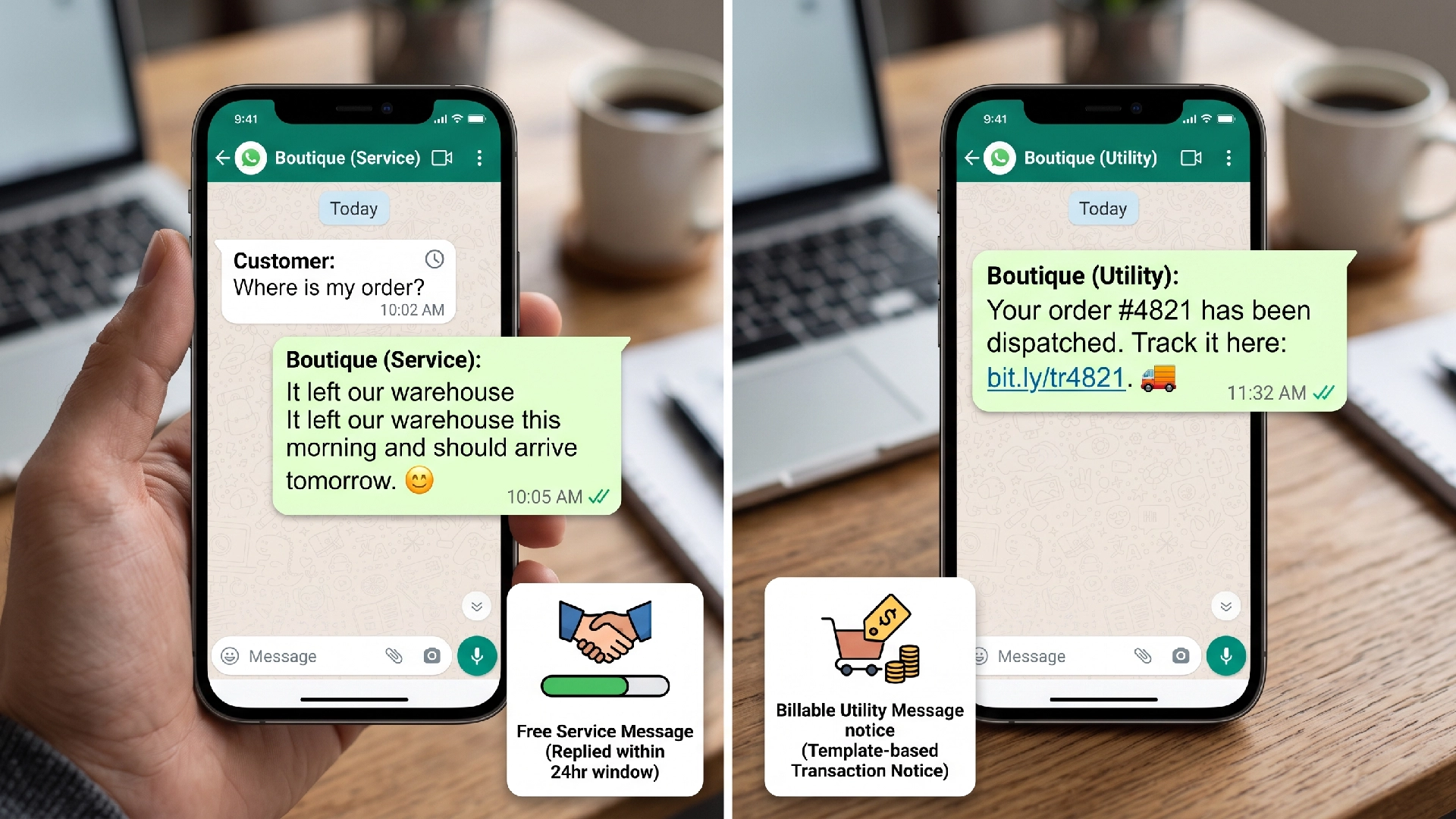
Take a customer who writes:
“Where is my order?”
Receives the reply:
“It left our warehouse this morning and should arrive tomorrow.”
That is a service message, a normal reply inside the window, and it counts toward the free tier.
If the business’s system then sends the template:
“Your order #4821 has been dispatched. Track it here.”
That is a utility message, a transaction notice sent from a template, and it is charged from the first one.
From October 1, Meta will charge for both. Sending a utility template during the window will not avoid the charge either, because the change targets exactly those replies that used to be free.
For ordinary WhatsApp users, little changes directly.
Meta’s pricing applies to businesses using the WhatsApp Business Platform. The customer is not presented with a KES 0.52 charge for receiving a response.
WhatsApp’s platform pricing is based on messages delivered by the business, and the platform itself distinguishes the API from the standalone WhatsApp Business app.
The indirect effect, however, could be more significant.
A bank, retailer, airline, hospital, or telco does not necessarily have to absorb the additional cost. It could respond by reducing unnecessary outbound messages, redesigning automated support flows, moving some interactions to other channels, or incorporating the cost into its broader operating expenses.
For customers, that could mean fewer fragmented messages rather than an explicit WhatsApp fee.
There is also a distinction between Meta’s charge and the price a business actually pays for WhatsApp support.
A company can connect directly to the WhatsApp Business Platform or use a Business Solution Provider. WhatsApp says partners can charge separately for the technology and services they provide.
Business in Kenya, therefore, needs to distinguish between Meta’s message charge and whatever its CRM, chatbot, contact center, or communications provider charges for using the platform.
The reported KES 0.52 figure should not automatically be treated as the final cost of sending a WhatsApp response.
The pricing change gives businesses a new reason to scrutinize automated conversations.
An AI agent or chatbot that responds with five short messages instead of one consolidated response can generate more billable traffic. Service messages can include replies from human agents as well as automated systems.
That could push businesses towards more deliberate conversation design, including combining information where appropriate, reducing redundant notifications, and measuring the number of outbound messages required to resolve a customer request.
It’s also important to note the exception that messages sent during the 72-hour free-entry-point window following eligible Click-to-WhatsApp ads or Facebook Page call-to-action interactions remain free of message delivery charges under Meta’s rules.


Comments
No comments yet. Be the first to share your thoughts.