
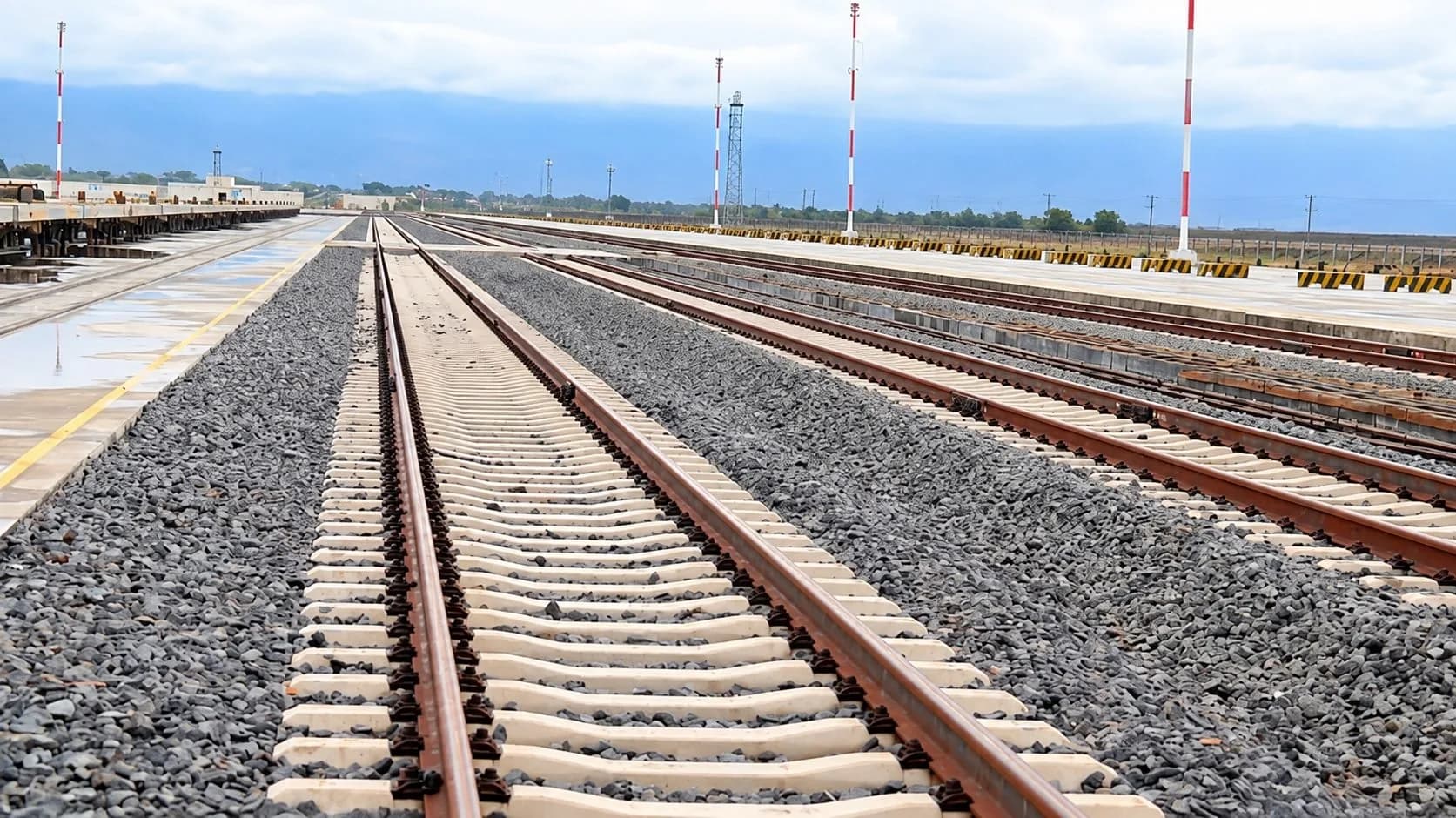
Indonesia’s China-backed Whoosh high-speed railway has renewed debate over the financial obligations created by large infrastructure projects financed through external borrowing.
The railway, connecting Jakarta and Bandung, was designed to improve connectivity and stimulate economic activity. But rising construction costs and questions about its financial sustainability have raised a broader issue: are the economic returns from major infrastructure investments sufficient to meet the obligations incurred to finance them?
Over the past two decades, Chinese policy banks and state-owned enterprises have financed major infrastructure projects across the developing world, including railways in Kenya and Laos, power infrastructure in Zambia and ports in Sri Lanka.
These investments have improved transport and energy infrastructure. However, some borrowing governments have also been left with substantial repayment obligations as economic growth, foreign-exchange earnings and domestic revenues come under pressure.
The important question is not whether infrastructure financing is good or bad, but whether its structure and scale can create financial vulnerabilities when projected economic returns fail to materialise.
Indonesia illustrates the difference between the developmental value of infrastructure and its financial sustainability.
The Jakarta-Bandung railway was developed through a Chinese-led consortium and financed with loans from China’s Export-Import Bank. Construction costs increased substantially from the original estimate, while delays affected implementation.
Its economic value cannot be measured through passenger revenues alone. Better connectivity could support tourism, employment and regional development even if ticket revenues do not cover the railway’s full costs.
But wider economic benefits do not remove the obligation to service the debt.
This is the central challenge of infrastructure borrowing. Construction costs and debt repayments are relatively fixed, while revenues depend on demand, fares, operating costs and wider economic conditions. When these variables perform below expectations, governments or state-owned enterprises may have to absorb the difference.
Laos provides a broader example of how financial vulnerability can develop through a combination of projects.
The country’s small domestic market, limited economic diversification and landlocked geography create structural constraints. Chinese investment has nevertheless provided opportunities to improve connectivity and develop the energy sector, including through the China-Laos railway.
Researchers have also highlighted challenges in Laos’s energy sector, including electricity overcapacity and financial losses, alongside the involvement of a Chinese state-owned company in the electricity grid.
The Lao experience demonstrates why individual projects should not be considered in isolation. Borrowing concentrated in sectors with uncertain revenues can create difficulties when governments must meet external obligations while generating limited foreign exchange.
It is important, however, to distinguish between the railway and the wider energy sector. Available evidence does not establish that the railway itself caused Laos’s financial difficulties.
Zambia illustrates another challenge: managing debt when a country has borrowed from multiple creditors.
Chinese financing expanded during the 2010s as Zambia undertook major infrastructure investments and benefited from favourable copper prices. The scale and structure of its borrowing later complicated debt restructuring efforts.
Zambia had borrowed from numerous Chinese lenders and contractors, making it more difficult to establish a comprehensive picture of its obligations. Subsequent negotiations under the G20 Common Framework demonstrated the challenges of coordinating Chinese creditors with other official and private lenders.
The experiences of Indonesia, Laos, Kenya and Zambia suggest that the risks associated with infrastructure lending are best understood through the interaction of project financing, domestic fiscal policy and external economic conditions.
External borrowing can become difficult to manage when growth, export earnings or project revenues fall below expectations. This does not establish that lenders deliberately seek to create financial distress. It does, however, underline the importance of transparency, prudent borrowing and sustainable financing structures.
Research has also found that some Chinese official lending to developing countries was not captured in widely used debt statistics, making it harder to assess the full scale of external obligations.
The policy lesson extends beyond any single lender.
Countries seeking development finance must assess infrastructure projects not only by their strategic importance, but also by projected revenues, foreign-exchange requirements and long-term fiscal implications.
Infrastructure remains essential to development. Roads, railways, ports, power systems and digital networks can transform economies and create opportunities.
But successful infrastructure development requires more than building the asset. It requires financing models that allow countries to sustain those investments without compromising wider economic stability.
The challenge is to pursue infrastructure-led growth while ensuring that the cost of financing does not constrain future economic choices.



Comments
No comments yet. Be the first to share your thoughts.