
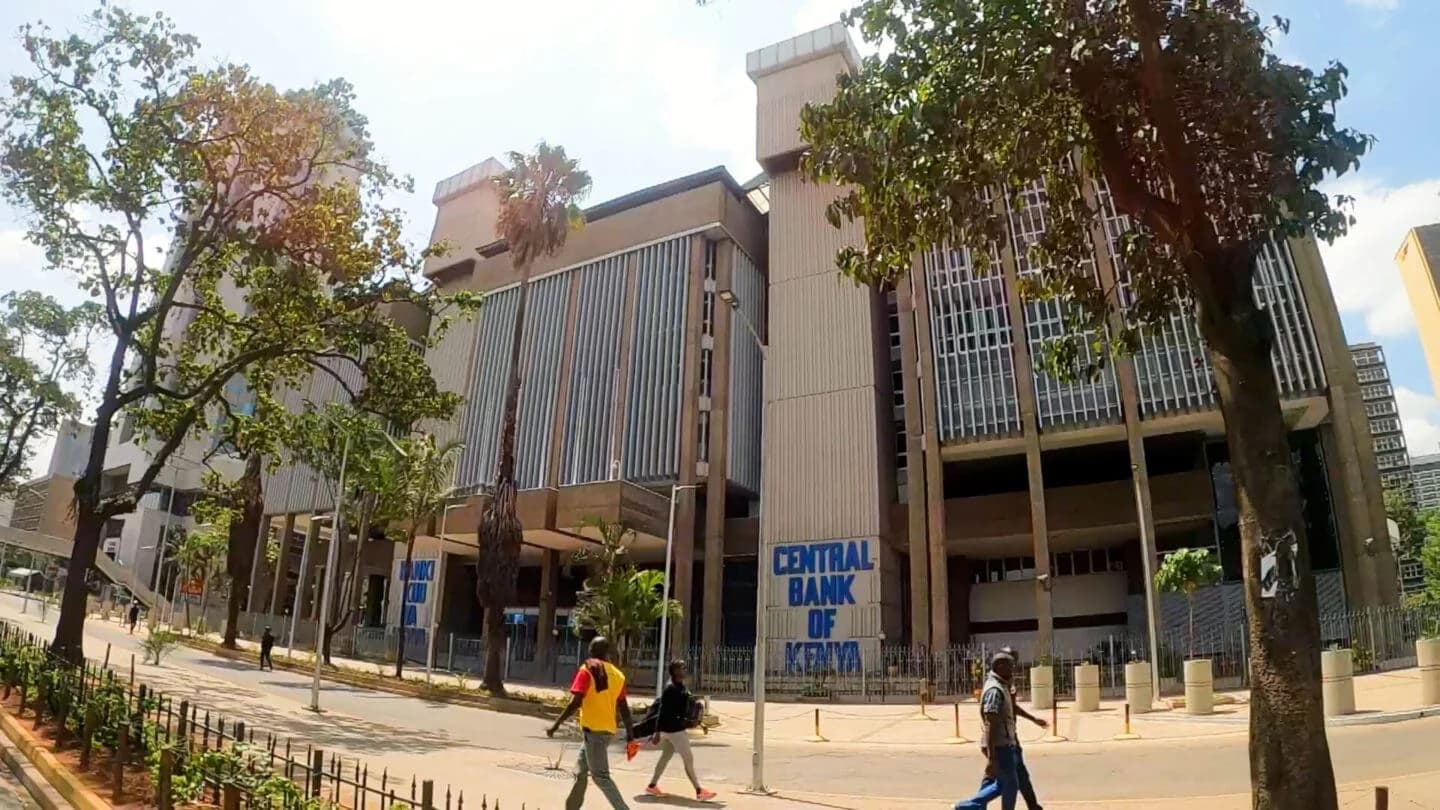
Before the Central Bank of Kenya (CBK) shifted its focus on instant loans, there was not only unfair lending practices and harassment, but also misuse of customer data and lack of transparency on pricing.
Again and again, most players in the digital lending space were over aggressive in how they pushed defaulters to pay up their loans, including calling “next of keen” contacts and forming WhatsApp groups and adding numbers of neighbours, and close relatives of borrowers into unsolicited groups, and making endless automated and exploding calls and text reminders.
Some even attached the mobile numbers of pastors and employers of borrowers in an awkward attempt to make slippery defaulters pay up, thereby undermining lending rules.
So, the digital lending scene was in a mess and rocked by reports of undue pressure, something that did not seem to sit well with the regulator.
That CBK started doing the needful and tightening oversight, the aggressive flame of some digital lenders started to die, and things are now in order.
In just one year, growth has been strong, with CBK 2025 Bank Supervision Annual Report showing that the amount owed to digital lenders nearly doubled to Ksh.110 billion, even as the number of licensed lenders rose from 85 to 195.
The latest report also shows the market has expanded with current number of loan accounts hitting a staggering Sh6.7 million, which is an increase of about 71%.
Outstanding credit surpassed Ksh.100 billion in September 2025 and reached Ksh.110.1 billion by December, almost twice its level a year earlier.
CBK says that at the end of 2024, licensed digital credit providers had Ksh.55.2 billion in loans outstanding. Over the following year, it had licensed 110 more providers.
It is also interesting that licensed providers now offer diverse loans for business, agriculture, education and asset purchases, while riding new tech and innovative channels like mobile applications and USSD.

Comments
No comments yet. Be the first to share your thoughts.