
Her hard choices began the day she brought her daughter into this world. It wasn’t a wonder that Paul’s marriage proposal delighted Anne beyond measure. You see, Anne became a mother out of wedlock shortly after she turned 18. The daughter, Priscilla, was now about six years of age. Anne had endured insults from family and community, accusing her of ‘guita njohi’, which loosely translates as ‘pouring the beer’ because, customarily, it lowered the bride price.
She had not only affected her marriage prospects, but she’d also brought shame into their household. Accepting Paul’s marriage proposal was also for survival, as it would gain her status in the community. Even her own family would treat her better. Further, Paul had been generous enough to welcome Priscilla into their marital home. Some men would have expected her to leave her daughter with her parents.
So Anne and Paul’s life together began. Paul was Priscilla’s father in the way a benevolent stranger would provide a roof over your head and give you some food so that you don’t starve. You could partly attribute this to Paul’s absence from their home. He was probably there two days a week, as he was busy with work and his other women.
By the time Priscilla turned 17, Anne and Paul had four more children. Despite her distant relationship with Paul, Priscilla was close to her siblings. Like any adolescent, Priscilla had friendships with people of the opposite sex. It was one of these friendships that led to her predicament.
Charles was a known womaniser in the village. Women gossiped and warned each other about him. It would seem Priscilla didn’t catch wind of the gossip early enough to save herself. She got pregnant with his child. It was the biggest scandal that year and many years after.
“Your daughter cannot stay in my house!” Paul quickly told Anne.
Priscilla begged her mother to plead with Paul, the only man she knew as a father, but it was futile.
“You should have taught her better manners,” Paul told Ann.
“What about her school?” Ann cried to Paul.
“She should have thought of that! I don’t want her in my house before she influences my children,” Paul shouted.
Ann wept for her child but couldn’t find a solution. She remembered how her family treated her when she was in a somewhat similar situation.
“I don’t want to go,” cried Priscilla.
“You can’t stay here. “I have four other children to think about”, Anne told her eldest child.
“Mum, please!” Priscilla begged.
“You’re lucky Charles agreed to take you in,” said Ann.
With that, Priscilla’s fate was sealed. She had to go to the child’s father, unsure of what luck her mother spoke of. What sort of fortune could come from dropping out of her last year of school, being kicked out of her home, moving in with a man ten years older, and being the village’s laughing stock?
People pointed fingers at Priscilla or whispered her story when she passed them by. Her belly grew bigger as did her problems. It didn’t take long for her to realise that her child’s father, Charles, was not only a womaniser but a violent drunk, too. It was miraculous that she carried her child to term, given the stress and frequent beatings she received from Charles.
Initially, she would run to her mother when he beat her, hoping to find refuge, but she was told to go back to him. The black eyes and tears didn’t move Paul. While Anne felt her pain, she couldn’t go against his wishes. Further, Priscilla’s presence in the house bred conflict between her mother and Paul. She had to be discreet when it came to seeking help.
When her cries fell on deaf ears one too many times, Priscilla had to toughen up. She learnt how to live with Charles. Priscilla played the role of the devoted wife and mother. She took up odd jobs as soon as she could and went everywhere with her child. As expected, there weren’t many jobs she could do with a child that age, but that didn’t stop her from trying to make an extra coin. She survived on people’s sympathy, who offered her clothes for her child, sometimes food, and, if she was lucky, handouts.
Despite Charles’ unreliable provision, he would get angry if he caught wind of any donations to Priscilla and their child. This would warrant a beating. Priscilla also learned how to hide such things from him to avoid quarrels and beatings.
It wasn’t surprising that their child turned into a sickly child. Priscilla was a familiar face at the clinic. This went on for about three years. Charles’ drinking got worse, and their relationship was filled with infidelity. At some point, Charles would bring his women to the house where Priscilla and their child lived. Priscilla hardly had anyone she could turn to since her mother had made it clear that her hands were tied.
The situation took a toll on Priscilla’s physical health. That, however, was not reason enough for Charles to leave her alone. She was still his punching bag. Having been sick, Priscilla’s reflexes got slower and on one fateful evening, Charles beat her up so badly. Her body gave in.
A neighbour discovered the mess the following day when she came looking for her. The child innocently told the neighbour, “Mummy haamki.” “Mummy isn’t waking up.” It was unusual, so the neighbour got inside to check on her. Charles was long gone. It took months to catch him after the tragedy.
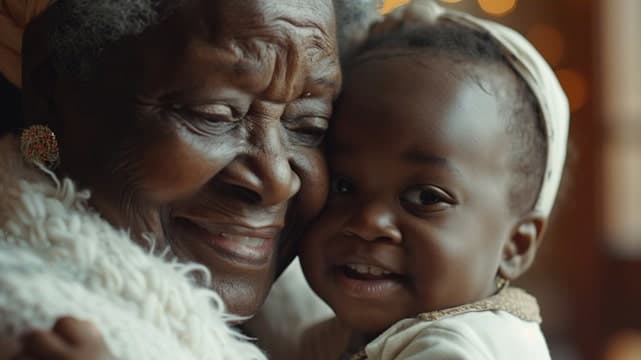
With Priscilla dead, the child needed a home. Anne was overcome with grief and guilt. She took in her grandchild. Paul didn’t welcome the child, but he didn’t oppose the decision either. As fate often does, the child was a spitting image of Priscilla. Anne constantly wondered if it was to remind her that she’d failed her daughter.
Check Out More Stories
My Mother-In-Law Brought Another Woman For My Husband Because I Refused To Give Him Another Child
Her Favourite Vendor Accidentally Informed Her Of Her Husband’s Infidelity
He Made Me His Side Piece As His Wife Was Nursing Their Sick Child


Comments
No comments yet. Be the first to share your thoughts.