
A hit song can outlive its release date by decades. It can become a cultural reference, soundtrack a generation, find a second life on social media or give a brand the perfect musical backdrop for selling its next big idea.
But while the commercial world continues to find new ways of monetising music, one question remains particularly important for the people who create it: who gets paid when a song becomes someone else’s business asset?
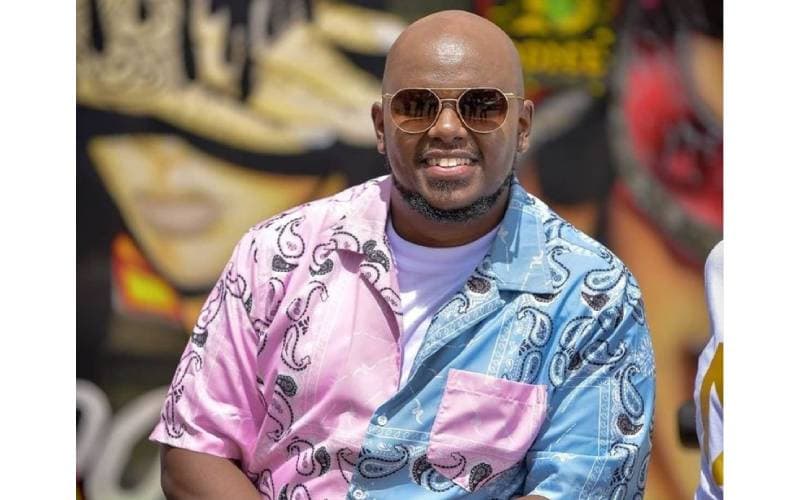
For Kenyan Genge pioneer Nonini, whose real name is Hubert Mbuku Nakitare, this is no longer an abstract conversation about artistic rights. It has become a defining part of his public and professional journey, with a series of courtroom battles drawing attention to the commercial value of music ownership and the consequences of using copyrighted material without authorisation.
His recent legal victories, including a KSh4 million copyright award upheld by the High Court and a separate KSh3 million defamation judgment, have brought renewed attention to the relationship between musicians, commercial brands and intellectual property rights in Kenya.
Beyond the courtroom headlines, however, lies a much bigger story about the changing economics of the entertainment industry.
When a soundtrack becomes a business asset
Music has always played an important role in advertising. A familiar melody can make a campaign memorable, establish an emotional connection with consumers and give a product or service a cultural identity that conventional marketing language sometimes struggles to achieve.
In Kenya’s increasingly digital advertising environment, the relationship between music and marketing has become even more visible. Brands are incorporating popular songs into promotional videos, influencer collaborations, social media campaigns and digital commercials. For businesses, recognisable music can be a valuable creative shortcut to audience attention.
For musicians, however, that visibility does not automatically translate into compensation. Nonini’s copyright dispute involving his song We Kamu illustrates the distinction between enjoying music and exploiting it commercially.

The dispute arose after the song was used in a promotional video advertising an electronics product. The musician challenged the unauthorised commercial use of his work, arguing that the advertisement incorporated copyrighted music without the necessary permissions.
In February 2026, the High Court upheld a KSh4 million damages award against the electronics company. The court cleared social media content creator Brian Mutinda of personal liability after finding insufficient evidence connecting him to the synchronisation of the song.
The judgment provides an important reminder that music used in commercial audiovisual content is not simply background decoration. It is intellectual property, and its commercial exploitation must respect the applicable rights of its owners.
For brands and advertising agencies, this means music licensing needs to be part of the creative and production process rather than an administrative issue addressed after a campaign has gone live.
The Genge legacy and the value of creative ownership
Nonini occupies a distinctive place in Kenya’s contemporary music history. As one of the prominent figures associated with the Genge movement, he helped popularise a sound that brought urban Kenyan experiences, Sheng, street culture and local storytelling into mainstream entertainment. His catalogue represents more than a collection of recorded songs. It forms part of a cultural archive that continues to connect with audiences across different generations. That cultural longevity also creates commercial opportunities.
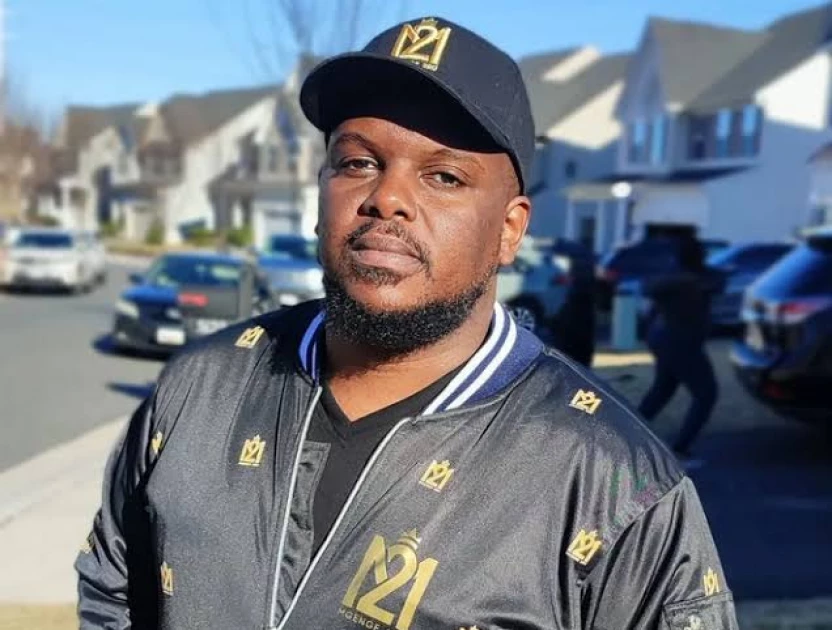
A recognisable catalogue can generate value through performances, streaming, broadcasting, licensing and commercial partnerships. As digital distribution continues to expand the lifespan and reach of recorded music, the question of who controls these assets becomes increasingly significant.
For established musicians, protecting intellectual property can help preserve the long-term value of their catalogues. For emerging artists, understanding ownership from the beginning can influence their ability to negotiate contracts, secure royalties and participate in future commercial opportunities.
In this sense, copyright enforcement is not merely about taking legal action. It is also about establishing the economic boundaries within which the creative industry operates.
Reputation is part of the brand
Nonini’s legal battles have also extended into the territory of personal reputation. On October 26, 2026, Milimani Commercial Magistrate James Gitau ordered former Music Copyright Society of Kenya (MCSK) chief executive Ezekiel Mutua to pay the musician KSh3 million in a defamation case. The award comprised KSh2.5 million in general damages and KSh500,000 in exemplary and aggravated damages. The court also ordered the removal of statements found to be defamatory within 14 days and directed Mutua to pay the costs of the suit.
The dispute followed a public disagreement involving music royalties and their collection and distribution in Kenya. Although distinct from the copyright case, the judgment introduces another dimension to the business of being an artist: reputation.
In the entertainment industry, an artist’s public identity can influence commercial partnerships, brand endorsements, booking opportunities and audience relationships. A musician’s name is often a brand in its own right. Protecting that brand involves more than maintaining a public image; it also means having recourse when statements are found by a court to have unlawfully damaged one’s reputation.
The influencer economy’s copyright blind spot
The rise of influencer marketing has created a new commercial landscape in which music, personalities and product promotion frequently intersect. A creator might use a popular Kenyan song to make a video more engaging, while a brand might subsequently distribute that content through its official social media accounts or incorporate it into a paid advertising campaign.
The creative possibilities are considerable, but so are the licensing questions. Permission to use music on a social media platform does not necessarily extend to every form of commercial advertising. Different rights may apply to the musical composition and the actual sound recording, while the intended use, distribution channels and duration of a campaign can also affect licensing requirements.
For brands, agencies and creators, the practical implication is to establish the relevant permissions before publishing or promoting commercial content. It is an increasingly important consideration in a market where digital campaigns can reach thousands of consumers within hours.
More than courtroom victories
Another dispute involving Nonini and car dealership CarSoko has also drawn attention to the issue. The musician reportedly challenged the alleged unauthorized use of his song Kadhaa in an online promotional video featuring social media personality Isaac Otesa, popularly known as Goliath wa Bungoma.

However, the matter should be distinguished from the established copyright judgment involving the electronics company. The available reporting does not establish a subsequent court victory for Nonini in the CarSoko dispute.
The distinction matters because the broader conversation about creative rights should be grounded in verifiable legal outcomes rather than treating every allegation as an established infringement.
The next chapter for Kenya’s music business
Kenya’s entertainment industry is operating in a period of significant change. Streaming platforms, digital content creation, influencer marketing and commercial brand partnerships have expanded the opportunities available to musicians. Yet the growth of these platforms also raises questions about how creative value is recognized and distributed.
Copyright awareness, transparent licensing arrangements and effective royalty administration remain important to building a sustainable music business. For artists, the challenge is to treat their creative catalogues as valuable intellectual property. For businesses, it is to recognize that commercial creativity comes with commercial responsibilities.
Nonini’s courtroom battles have helped bring these issues into public conversation, placing the business of music ownership alongside the cultural influence of the songs themselves. Because a hit song may belong to the public imagination, but that does not mean its commercial rights belong to everyone.
And in an entertainment industry increasingly built around digital visibility, brand collaborations and the monetization of culture, knowing the difference could be worth millions.



Comments
No comments yet. Be the first to share your thoughts.