
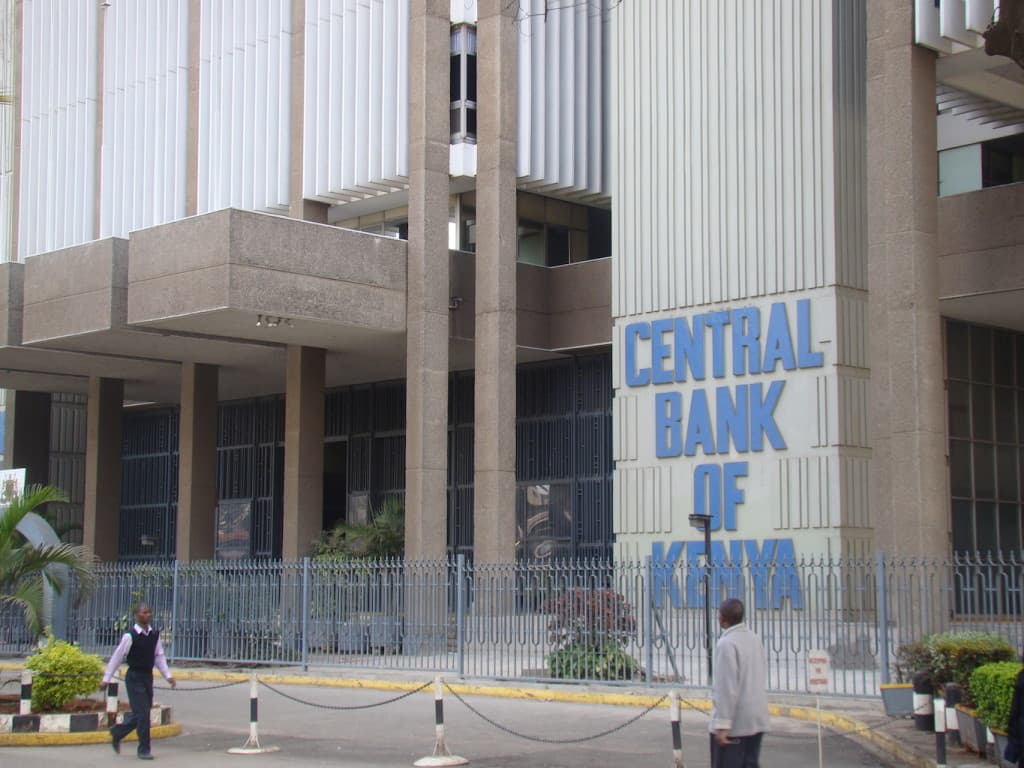
The Central Bank of Kenya (CBK) has warned that the cost of food, fuel and energy could keep inflation elevated in the coming months, as supply constraints and uncertainty in international markets continue to weigh on the country’s economic outlook.
In its September 2026 Market Perceptions Survey, the regulator said businesses expected price pressures to persist through November, with higher operating costs likely to affect production, transportation and the distribution of goods.
The warning comes after Kenya’s annual inflation rate climbed to 6.8 per cent in September, from 6.6 per cent in August, according to the Kenya National Bureau of Statistics (KNBS).
The increase indicates that the cost of goods and services remained higher than a year earlier, adding to the financial strain on households already managing expenses such as food, electricity, transport and housing.
The CBK survey suggests that the direction of prices in the coming months will depend on developments in global commodity markets, agricultural production and the stability of the domestic economy.
Fuel costs threaten business operations
Energy prices remain a significant concern because fuel is a major input in the movement and production of goods. An increase in fuel costs can raise the expense of transporting agricultural produce, delivering supplies to shops and running manufacturing equipment.
Businesses may absorb some of these additional expenses, but others could adjust their prices to protect their margins. This creates a risk that higher operating costs will eventually reach consumers.
The CBK noted that international commodity price movements and geopolitical tensions could add to imported inflation. Developments in the Middle East are among the factors that could influence global energy prices and expose countries that depend on imported petroleum products to further cost increases.
For Kenya, higher international oil prices can increase the cost of importing fuel, placing pressure on transport operators and businesses that rely heavily on road transport. The resulting increases in distribution costs can affect the prices of goods even when those products are manufactured locally.
Food supply to determine price direction
Agriculture is another major factor shaping the inflation outlook. The CBK survey identified weather-related supply constraints, reduced output from the long rains season and distribution difficulties as risks to food availability.
When supplies of essential commodities fall, prices can rise as households and businesses compete for the available produce. Transport and storage challenges can further increase costs, particularly when food has to travel long distances from producing areas to major consumption centres.
However, the regulator expects improved production following the short rains and greater storage capacity to support food availability and help moderate prices.
Whether this relief materialises will depend on harvest performance, weather conditions and the ability of farmers and traders to move produce efficiently to market. An improvement in supply could ease pressure on food prices, while continued shortages could prolong the difficulties facing consumers.
Food inflation is particularly important because basic commodities account for a substantial share of household spending. When prices rise, families may have to reduce spending on other needs or adjust the quantities and types of food they purchase.
Stable shilling offers some protection
The CBK identified exchange rate stability and prudent monetary policy as factors that could help contain inflation.
A stable shilling can limit the additional cost of imported commodities arising from currency movements. However, it cannot prevent price increases caused by rising international oil prices, shortages or other disruptions in global supply chains.
The outlook therefore remains dependent on several competing factors. Better agricultural production and stable macroeconomic conditions could ease price pressures, while expensive energy and persistent supply difficulties could keep inflation elevated.
For households and businesses, the key concern is whether improvements in food supply will be sufficient to offset higher energy and distribution expenses as the year draws to a close.



Comments
No comments yet. Be the first to share your thoughts.