

Kenya’s annual inflation rate rose to 6.8 per cent in September 2026, up from 6.6 per cent in August, newly released data from the Kenya National Bureau of Statistics shows.
The September figure also means the general price level stood 6.8 per cent above its level in September 2025.
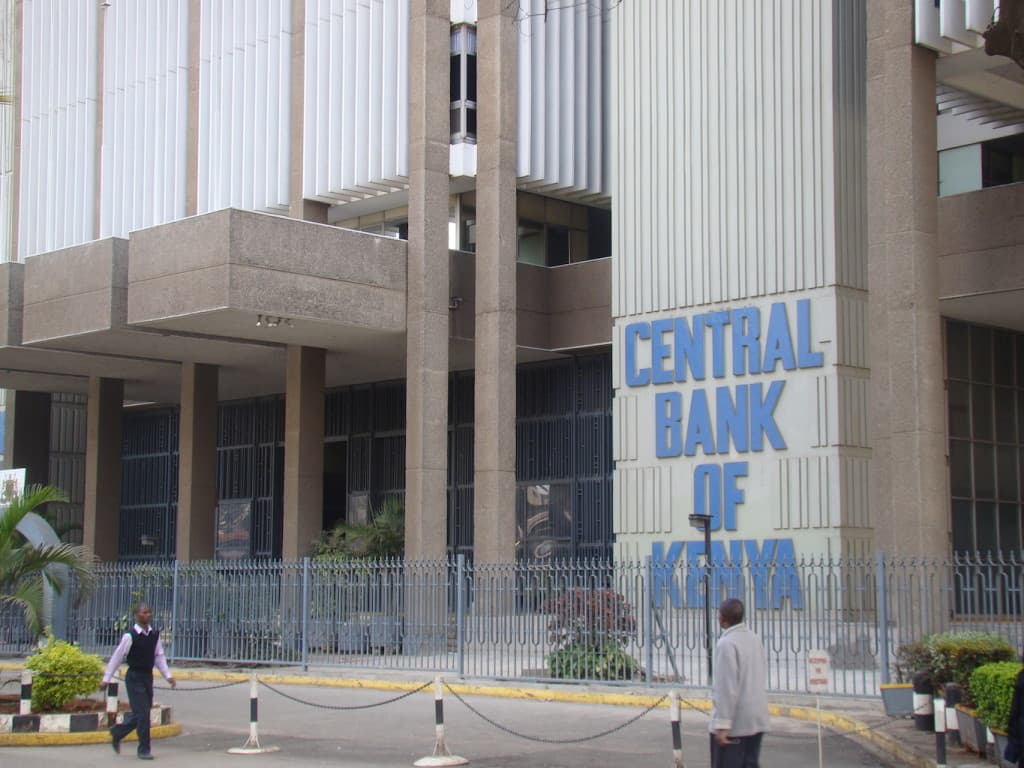
The Central Bank of Kenya’s September 2026 Market Perceptions Survey, which captures business expectations, points to slightly elevated inflation persisting over the three months to November 2026, with price pressures expected to come from both domestic and external sources.
On the domestic side, the survey identifies higher food, fuel and energy prices as the main risks. Rising energy costs are expected to feed into transport, electricity, production and distribution costs, keeping upward pressure on a broad range of prices.
Food prices are being pulled in two directions. The survey cites weather-related supply constraints, lower output from the long rains and distribution challenges as factors that could keep food prices high. On the other hand, improved production from the short rains and increased storage capacity are expected to help moderate them.
External risks include global commodity price movements and geopolitical tensions, with the Middle East specifically identified as a potential source of higher energy costs. These imported pressures could sustain inflation in the coming months.
Working in the opposite direction, the survey points to exchange rate stability and prudent monetary policy as factors that may help keep inflation in check. Government measures to contain prices could also support stability.
Overall, the CBK survey describes the outlook to the end of 2026 as mixed, with continued pressure from food and energy costs potentially offset by favourable harvests and macroeconomic stability.


Comments
No comments yet. Be the first to share your thoughts.