
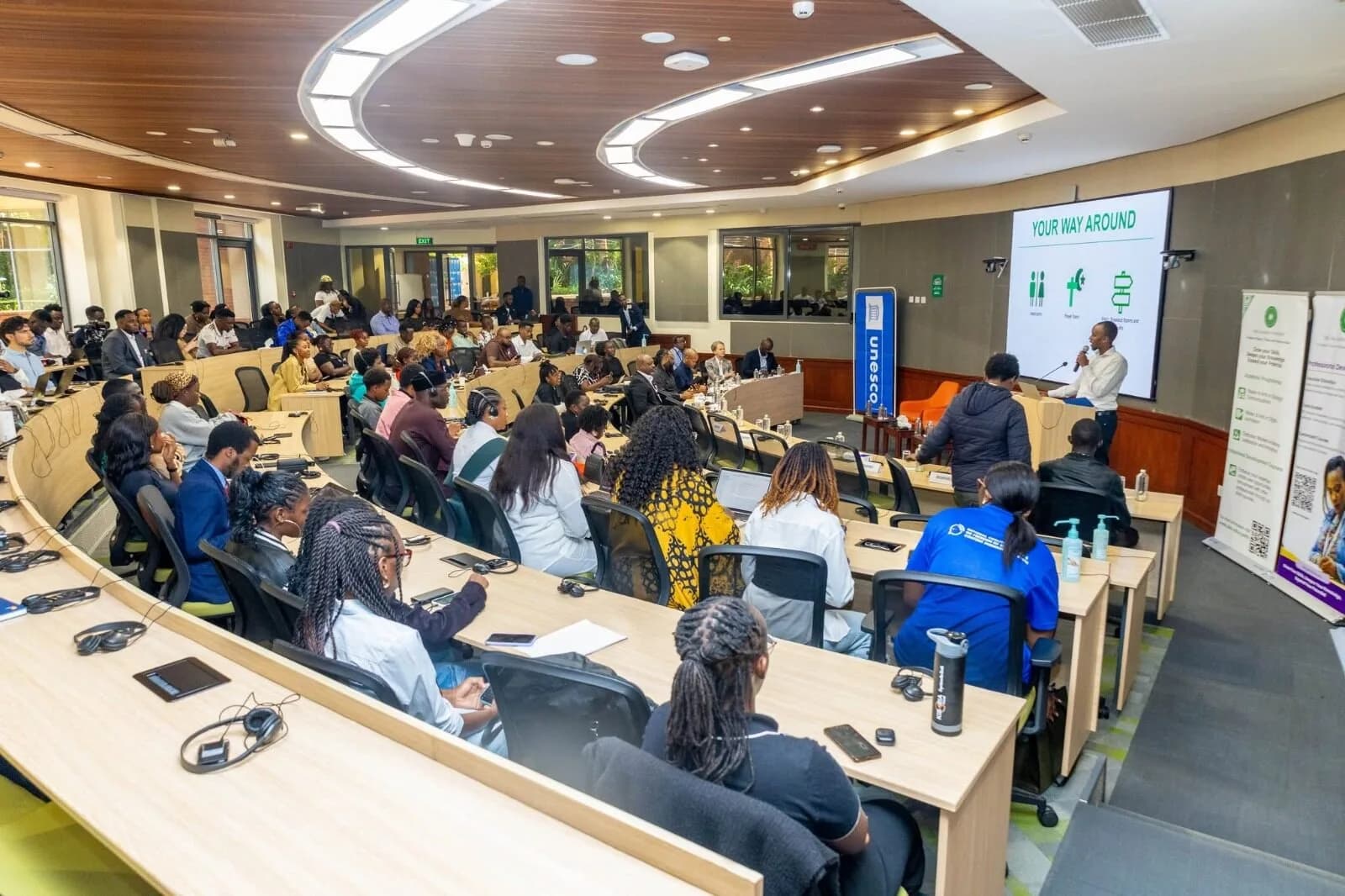
NAIROBI, Kenya, Nov 3 – Content creators and media stakeholders have called for digital content creation courses to be introduced in universities and colleges to improve media and information literacy and promote responsible online publishing.
Kenneth Okwaroh of the Africa Centre for People, Institutions and Society (ACEPIS) said formal training would equip creators with skills to use artificial intelligence tools, verify information and produce accurate content.
He said creators with large online audiences were increasingly operating like media houses and needed training similar to that offered to journalists.
“I think, at the very minimum, media and information literacy is important for content creators because they are increasingly becoming media houses of their own, with millions of followers. That is why this training is essential,” Okwaroh told Capital FM.
“In my view, content creation should be integrated into the formal media training curriculum in universities and colleges. Just as journalists are trained to carry out their work, content creators should also receive similar training in these institutions,” he added.
Okwaroh also called on content creators to form professional associations to promote self-regulation, protect their freedom of expression and encourage compliance with existing media laws.
He spoke on the sidelines of UNESCO’s Global Media and Information Literacy Week 2026 event at Aga Khan University, which brought together 90 content creators, media experts, policymakers and technology partners from Africa and beyond.
The call comes as digital platforms become an increasingly important source of information, particularly among young people.
A 2023 IPSOS-UNESCO survey on online disinformation and hate speech found that most people aged 18 to 35 relied on social media and other digital platforms as their main source of news, ahead of traditional outlets such as television, radio and newspapers.
UNESCO Regional Director for Eastern Africa Louise Haxthausen said digital content creation had created opportunities for participation, entrepreneurship and innovation, but had also raised concerns about information quality, ethics and accountability.
Findings from UNESCO’s Behind the Screen study in Kenya showed that 87.1 per cent of surveyed content creators had never received media and information literacy training, while 66.1 per cent lacked journalism training or professional experience.
The study also found that 68.9 per cent were unaware of laws governing freedom of expression, defamation and copyright. In addition, 37.1 per cent did not consistently verify information before sharing it, while 46.1 per cent of creators producing sponsored content did not disclose the sponsorship to their audiences.
During the two-day event, participants took part in practical sessions on ethical use of AI, fact-checking, family digital safety and producing climate and crisis-related content.
Content creator Sheila Kendi said creators should be held accountable for misinformation and hate speech but warned that regulation should not undermine their freedom of expression.
“Content creators should also be subject to regulation because there is a lot of misinformation and hate speech that they may sometimes contribute to, even unknowingly. However, such regulation should not limit their freedom of expression,” Kendi said.
UNESCO said it would continue advocating for content creators’ rights while supporting programmes to improve the quality and responsibility of digital content.


Comments
No comments yet. Be the first to share your thoughts.