
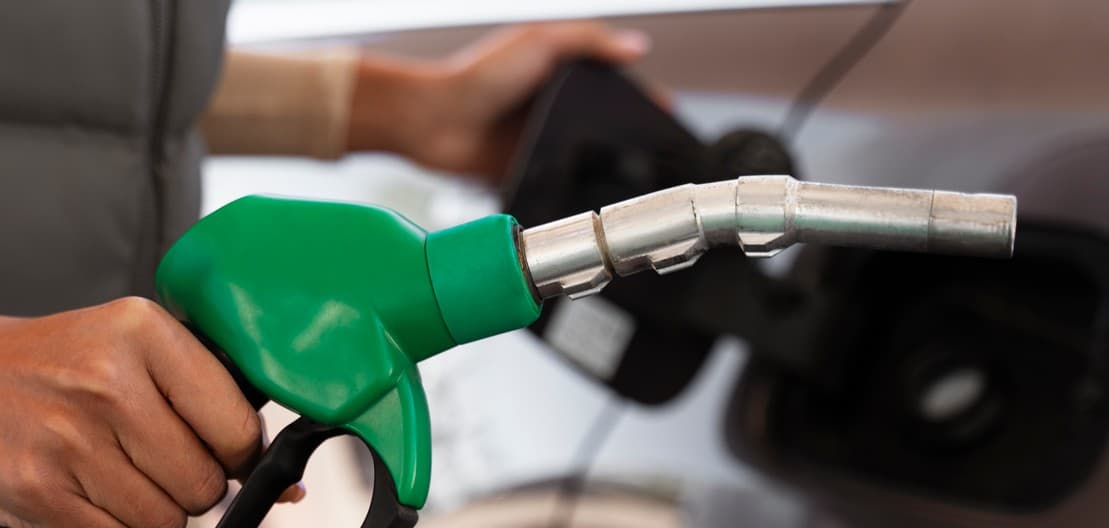
Independent fuel dealers threaten shutdown over EPRA price violations

Despite the planned action, POAK and KIPEDA said they were willing to engage with the Ministry of Energy and Petroleum and EPRA to find an immediate solution and restore proper market conditions.
Independent petroleum dealers have threatened to shut down their stations and suspend fuel purchases from oil marketing companies (OMCs) accused of selling petroleum products above the wholesale price limits set by the Energy and Petroleum Regulatory Authority (EPRA).
In a joint statement, the Petroleum Outlets Association of Kenya (POAK) and the Kenya Independent Petroleum Dealers Association (KIPEDA) said the failure to comply with the regulator’s prices had made it difficult for them to restock fuel, forcing some stations to choose between closing their businesses and operating at a loss.
The associations warned that the situation had already led to critical fuel shortages at independent stations across the country, threatening the survival of businesses and the steady supply of petroleum products to consumers.
“This non-compliance by OMCs has created an unsustainable margin squeeze, making it economically impossible for independent dealers to source product legally and serve the public fairly,” reads the statement.
The dispute follows EPRA's publication of maximum retail and wholesale fuel prices for the October-November pricing period on October 14, 2026, under its mandate in the Petroleum Act.
For Nairobi, the regulator set the maximum wholesale price of super petrol at Sh211.80 per litre, against a maximum retail price of Sh226.96 per litre.
Latest Stories
- Nairobi tops election violence as 284 cases recorded nationwide
- Updated Israeli exit polls show Netanyahu's bloc gaining ground, no clear majority
- Court stops government from building car park inside Nairobi Animal Orphanage
- Rabai elders warn of cultural extinction as sacred Kaya forests in Kilifi face destruction
Diesel was capped at Sh212.60 per litre at wholesale and Sh227.27 per litre at retail, while kerosene had a maximum wholesale price of Sh204.79 per litre and a retail cap of Sh219.87 per litre.
However, POAK and KIPEDA said oil marketing companies failed to follow the published wholesale prices when the market opened on October 15, selling petroleum products to independent dealers at rates above the legal limits.
The associations said they immediately raised the matter with EPRA and the Ministry of Energy and Petroleum through the State Department for Petroleum, but 12 days had passed without compliance or enforcement action.
“Despite immediate escalations by POAK and KIPEDA to EPRA and the Ministry of Energy and Petroleum (State Department for Petroleum), 12 days have elapsed without compliance or enforcement,” they said.
They warned that continued failure to enforce the price limits could worsen fuel shortages and weaken consumer protection measures provided for under the law.
The dealers said independent operators were being forced to make difficult decisions as the difference between the regulated wholesale prices and the rates charged by oil marketing companies made it increasingly hard to maintain their businesses.
In response, the two associations urged independent petroleum dealers across the country to immediately stop buying petroleum products from oil marketing companies charging above the gazetted wholesale prices.
”We advise all independent petroleum operators countrywide to immediately suspend the purchase of petroleum products at rates exceeding the gazetted EPRA wholesale limits,” reads the statement.
They also demanded swift regulatory action against companies that fail to comply with EPRA's price limits, saying sanctions were necessary to restore lawful trading conditions in the petroleum sector.
The associations also called on the government to intervene before the situation leads to a wider shutdown of independent retail outlets, which they said account for a large share of the country's fuel distribution network.
They warned that a shutdown of these stations could further threaten fuel availability across the country if the dispute remains unresolved.
Despite the planned action, POAK and KIPEDA said they were willing to engage with the Ministry of Energy and Petroleum and EPRA to find an immediate solution and restore proper market conditions.


Comments
No comments yet. Be the first to share your thoughts.