
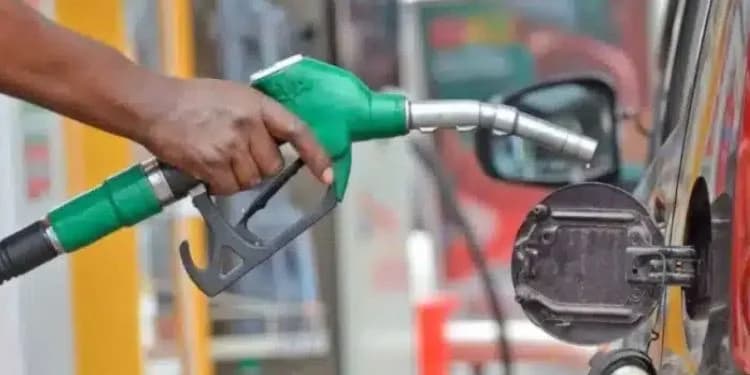
Independent petroleum dealers across Kenya have warned that higher wholesale fuel prices charged by oil marketing companies (OMCs) could force them to close or face severe financial losses.
In a joint statement issued on Tuesday, October 27, the Petroleum Outlets Association of Kenya (POAK) and the Kenya Independent Petroleum Dealers Association (KIPEDA) accused oil marketing companies of selling fuel above the maximum wholesale prices published by the Energy and Petroleum Regulatory Authority (EPRA).
“We, the undersigned representatives of the independent petroleum dealers across Kenya, issue this Joint Communiqué to draw urgent national attention to an ongoing crisis that threatens the collapse of independent retail outlets and compromises national energy security.
Independent operators are being forced to choose between shutting down operations or operating at severe financial losses,” the statement read.
Fuel Dealers Warn of Closures as Oil Marketers Charge Higher Prices
The associations said the pricing dispute had squeezed independent dealers’ profit margins, making it difficult for them to buy fuel and keep serving customers without incurring losses.
They warned that the situation was already contributing to fuel shortages at independent petrol stations across the country.
According to the statement, EPRA published the maximum retail and wholesale fuel prices for the October-November pricing cycle on October 14, with the new rates taking effect on October 15, 2026.
For Nairobi, the maximum wholesale price was set at Ksh211.80 per litre for super petrol, Ksh212.60 for diesel and Ksh204.79 for kerosene.
However, POAK and KIPEDA alleged that oil marketing companies had continued selling petroleum products to independent dealers at prices exceeding the gazetted limits.
The associations said they had raised the matter with EPRA and the State Department for Petroleum but claimed that 12 days had passed without compliance or enforcement action.
They argued that buying fuel above the regulated wholesale prices left independent operators with limited options, forcing them to either suspend operations or continue trading at substantial losses.
As a result, the associations advised independent petroleum operators nationwide to stop purchasing fuel immediately at prices above EPRA’s published wholesale limits.
“Immediate Halt on Off-Take: We advise all independent petroleum operator countrywide to immediately suspend the purchase of petroleum products at rates exceeding the gazetted EPRA wholesale limits,” read part of the statement
They also called on EPRA and the State Department for Petroleum to take regulatory action against oil marketing companies found to be violating the price caps.
POAK and KIPEDA warned that prolonged disruptions could threaten fuel distribution, given the role independent petrol stations play in supplying consumers across the country.
The associations called on the government to intervene urgently and restore compliance with the published prices, saying they remained open to discussions with the relevant authorities to resolve the dispute.
Also Read: EPRA Discloses 20 Giant Oil Companies Dominating Kenyan Market
About OMCs
Kenya has about 144 registered Oil Marketing Companies (OMCs) regulated by the Energy and Petroleum Regulatory Authority (EPRA).
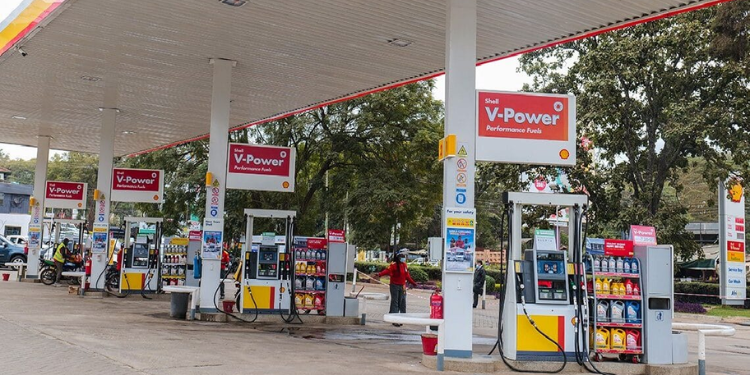
The country’s five largest OMCs control approximately 55.24 per cent of the petroleum market. Vivo Energy Kenya, which operates under the Shell brand, leads with about 20.56 per cent market share, followed by TotalEnergies Marketing Kenya at 14.01 per cent and Rubis Energy Kenya at 13.77 per cent. Ola Energy Kenya accounts for 3.49 per cent, while Hass Petroleum holds approximately 3.41 per cent.
The companies market a range of petroleum products, including petrol, diesel, industrial kerosene, Jet A-1 aviation fuel, lubricants and liquefied petroleum gas (LPG).
The Government-to-Government (G-to-G) framework and the Open Tender System (OTS) coordinate petroleum imports, with oil marketing companies participating through SupplyCor.
EPRA licenses petroleum operators, monitors regulatory compliance, and sets maximum retail and wholesale prices for petroleum products.
Follow our and X Account for real-time news updates.


Comments
No comments yet. Be the first to share your thoughts.