
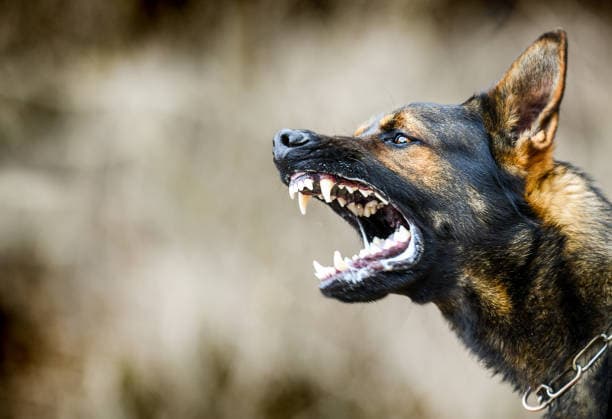
NAIROBI, Kenya, Oct 3 — Limited access to rabies vaccines and timely post-exposure treatment is hampering Kenya’s efforts to eliminate dog-mediated human rabies, veterinary experts have warned.
Rosebella Ochango, a veterinary professional and Business Developer at PetStore Kenya, said Kenya has the tools to prevent rabies but access to vaccination and treatment remains difficult in rural, remote and underserved areas.
She called for more accessible vaccination services, better communication on vaccination schedules and stronger cooperation between veterinary professionals, county governments, communities and private-sector players.
“Having an effective vaccine does not automatically mean that every dog is vaccinated or that every person exposed to a suspected rabid animal receives treatment in time,” Ochango said.
“A family in a remote community may have to travel a considerable distance after a child is bitten by a dog to access appropriate medical assessment and post-exposure treatment,” she added.
Rabies is a viral disease that affects the central nervous system and is almost always fatal once clinical symptoms appear. It can be prevented if treatment is given before symptoms develop.
Dogs account for up to 99 percent of human rabies transmissions, according to the World Health Organization (WHO), which estimates that rabies kills about 59,000 people globally each year, mainly in Africa and Asia.
In Kenya, about 2,000 people are estimated to die from rabies annually, with children making up a significant proportion of victims.
A person bitten or scratched by a potentially rabid animal should immediately wash the wound with soap and running water for about 15 minutes before seeking medical attention for assessment and possible post-exposure treatment.
Ochango said vaccination should be combined with responsible pet ownership, control of roaming dogs, public education and disease surveillance.
She also urged pet owners to vaccinate their dogs and follow recommended vaccination schedules provided by veterinary professionals.
“Any susceptible mammal can potentially be infected, and responsible ownership includes ensuring that owned animals are vaccinated and appropriately supervised,” she said.
Ochango said communities also need better information on rabies and the steps to take after an animal bite or scratch.


Comments
No comments yet. Be the first to share your thoughts.