
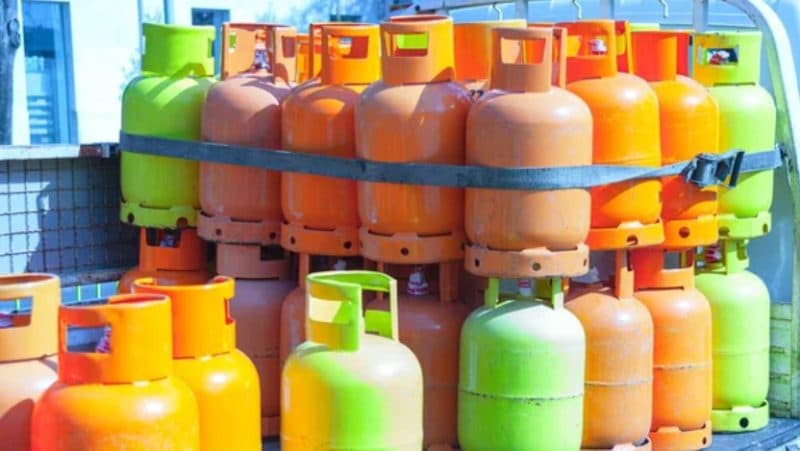
NAIROBI, Kenya, Sep 29 – Consumption of Liquefied Petroleum Gas (LPG) in Kenya rose by 14.72 percent in 2025, supported by the zero-rating of the product, improved availability and expanded infrastructure.
Energy and Petroleum Regulatory Authority (EPRA) Energy & Petroleum Statistics Report for the year ended June 30, 2026, shows LPG demand increased to 475,943 metric tonnes in 2025 from 414,861 metric tonnes in 2024.
The increase pushed per capita LPG consumption to 8.9 kilograms from 7.9 kilograms over the same period, reflecting increased uptake for household and institutional energy needs.
The report attributes the growth partly to the zero-rating of LPG, saying the tax intervention improved affordability and encouraged wider adoption.
“In particular, the zero-rating of LPG has enhanced affordability and encouraged greater uptake among households and institutions, contributing to the steady increase in demand observed over the years.”
Beyond the tax measure, the report identifies the expansion of LPG importation, storage and distribution infrastructure as another factor supporting consumption growth.
It also points to improved product availability, which has made LPG more accessible to consumers, alongside government policy interventions targeting the transition to cleaner cooking solutions.
“The continued growth in LPG consumption has been supported by the expansion of importation, storage, and distribution infrastructure, improved product availability, and government policy interventions aimed at promoting clean cooking solutions.”
The government expects demand to maintain its upward trajectory as it implements the National LPG Growth Strategy, which seeks to accelerate adoption across households and institutions.
The strategy includes promoting LPG use in public learning institutions, encouraging LPG reticulation in residential developments and implementing targeted cylinder distribution programmes for low-income households.
The report’s findings come as Kenya seeks to increase access to cleaner cooking fuels and reduce reliance on traditional cooking fuels, particularly among households that continue to depend on biomass.
Higher LPG consumption could also increase demand across the wider supply chain, including importation, storage, transportation, cylinder distribution and retail infrastructure.


Comments
No comments yet. Be the first to share your thoughts.