
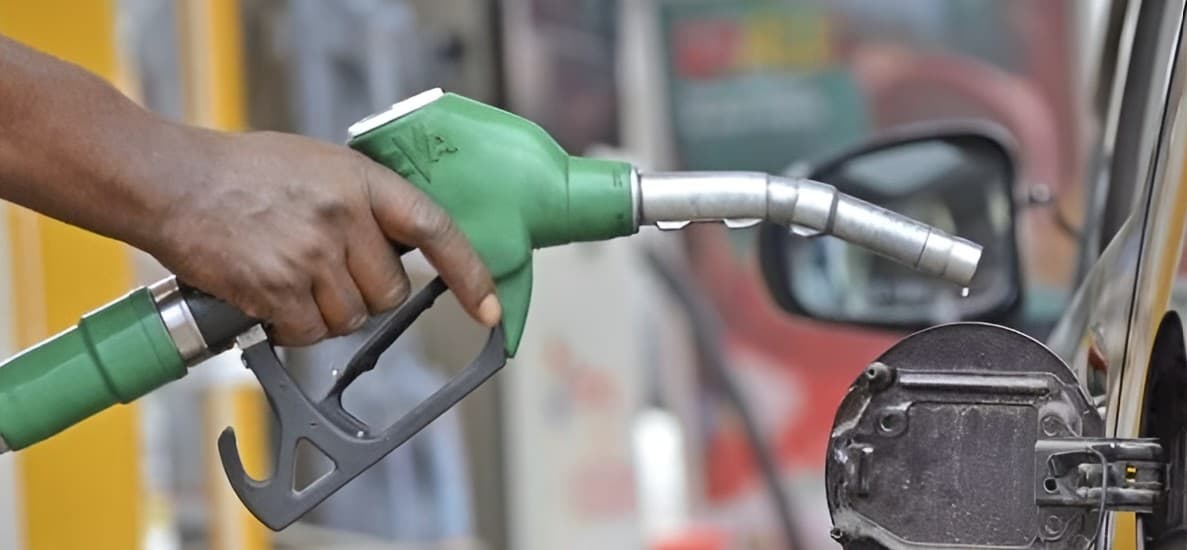
More pain at the pump for motorists as drones hit two fuel tankers bound for Kenya

Saudi Arabian vessels are being targeted and, in the process, two ships laden with petroleum products destined for Kenya were targeted. Their engines were immobilised.
Kenya faces possible delays in petroleum deliveries after drone strikes immobilised two oil tankers carrying fuel to the country, with the transfer of their cargo to other vessels expected to take about 60 days, Energy and Petroleum Regulatory Authority (EPRA) Director General Edward Kinyua has revealed.
Appearing before the National Assembly's Special Funds Accounts Committee, Kinyua said the petroleum products remained safe despite the attacks, which damaged the vessels' engines. He attributed the attacks to rising tensions between Iran and Saudi Arabia, saying vessels linked to Saudi Arabia were being targeted.
"There has been escalating tension between Iran and Saudi Arabia and, as a result, two vessels destined for Kenya were hit by drones. Saudi Arabian vessels are being targeted and, in the process, two ships laden with petroleum products destined for Kenya were targeted. Their engines were immobilised," he told the committee chaired by Migori Woman Representative Fatuma Mohammed.
He said the government was relying on its fuel supply arrangement with Saudi Arabia to protect supplies despite the disruptions.
"We have made sure that the security of supply is guaranteed through the G-to-G arrangement with our Saudi Arabia oil suppliers. We hope the rising tensions between Iran and Saudi Arabia, which largely target oil vessels, will end. Two vessels laden with our oil supply were targeted and immobilised," he said.
The attacks come as Kenyans face higher fuel prices following EPRA's latest monthly review, which took effect on October 15 and runs until November 14, 2026. Super petrol increased by Sh12.33 per litre, diesel by Sh9.90 and kerosene by Sh28.49.
Latest Stories
Kinyua said kerosene would have been at least Sh30 cheaper per litre than diesel if the government had retained its subsidy.
The withdrawal of the subsidy narrowed the price difference between kerosene and diesel to Sh7.89 per litre, from a high of Sh90.14. In Nairobi, kerosene is retailing at Sh219.87 per litre, compared with Sh227.76 for diesel.
The price gap had reached a record Sh90.14 per litre in the month ending June 14, 2026, when kerosene received a subsidy of up to Sh91.29 per litre.
The subsidy had encouraged some dealers to mix cheaper kerosene with diesel to increase their profit margins. Fuel adulteration can damage vehicle engines, farm machinery and industrial equipment while contributing to air pollution.
The practice was widespread before 2018, prompting the government to introduce an anti-adulteration levy of Sh18 per litre of kerosene.
During the Committee meeting, MPs questioned EPRA over the latest price increases, particularly following the President's assurances that fuel prices would not rise. They also sought explanations on whether consumers had been adequately informed about disruptions to global supplies.
Kinyua said the Middle East conflict had affected shipments from the Gulf, forcing importers to seek alternative sources, including Singapore, where fuel was reportedly more expensive.
He warned that prices could rise further during the winter season, depending on developments in the region, but maintained that Kenya's fuel prices remained competitive compared with those of neighbouring countries.
Kinyua added that EPRA was exploring alternative energy sources, although moving away from petroleum products would be difficult because of their widespread use.
The Committee also reviewed the Auditor General's reports on EPRA's Staff Mortgage and Car Loan Scheme for the 2021/2022 to 2024/2025 financial years.
The audit raised concerns over interest charges, budget controls, loan administration costs, interest earned on deposits, construction loans and risk management.
EPRA told the Committee that car loan interest rates had dropped from four per cent to three per cent in August 2022 following changes to its agreement with Kenya Commercial Bank, which administers the scheme.
The Authority said its Staff Mortgage and Car Loan Policy was approved by the Board in December 2023, addressing concerns over delays in formalising the scheme's rules.
In the absence of an approved budget for interest income and administration costs in 2023/2024, EPRA said the scheme's budget was approved by the Board and managed within the Authority's consolidated budget.
The Authority further explained that construction loans were released in stages, with inspections and progress reports required before additional funds could be issued.
The Committee will consider the audit findings and EPRA's responses as it prepares its report covering the four financial years under review.

Comments
No comments yet. Be the first to share your thoughts.