

Organisers say the region needs stronger mechanisms for matching workers' skills with available jobs and recognising qualifications across national borders
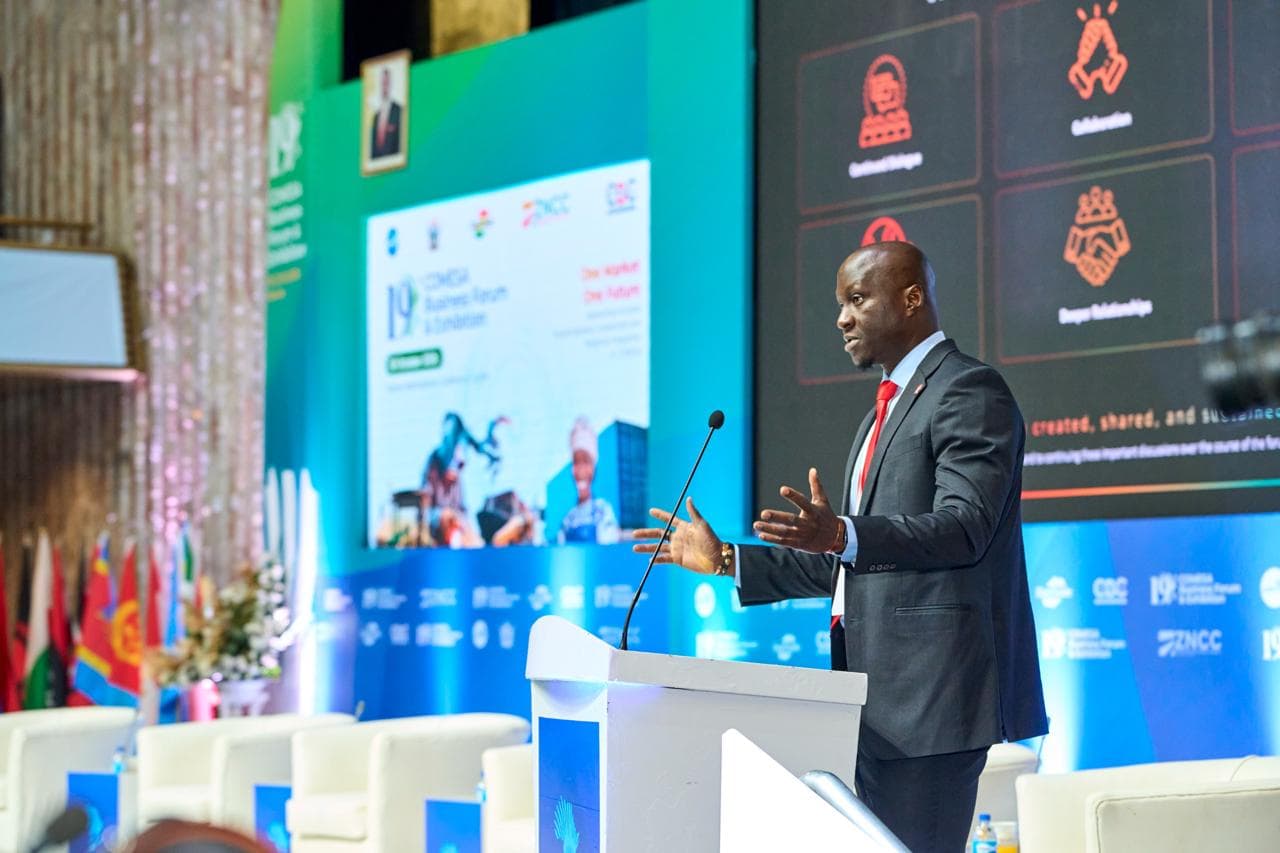
The summit will also examine youth employability, career readiness, entrepreneurship, workforce development and cooperation between education institutions and employers. /HANDOUT

East African governments, employers and training institutions are set to discuss skills gaps and cross-border labour mobility as the region seeks to improve youth employment and align education with labour market demands.
The discussions will take place during the third East African Employability Summit, scheduled for November 11 and 12 at the Kenyatta International Convention Centre in Nairobi.
The East African Employability Summit 2026 Convening Committee Chairperson Philip Pande, said the summit will focus on how countries can improve recognition of professional qualifications, strengthen links between education and industry, and make it easier for skilled workers to move across borders in search of employment.
“The Summit will dissect key thematic areas including youth employability and career readiness, industry–education partnerships, skills recognition and mobility, skills and labour-market alignment, workforce development, entrepreneurship, policy and institutional collaboration, and partnerships for employment and inclusive economic growth,” said Pande.
Themed, Skills without Borders: Accelerating Integration through Skills and Labour Mobility in East Africa, the summit comes as employers and training institutions face pressure to ensure that graduates possess skills relevant to the changing labour market.
A stakeholders' workshop held at Daystar University's Valley Road campus on October 21 brought together representatives from government, private sector organisations, universities, technical and vocational education and training institutions, development partners and youth organisations.
Other areas of discussion will include labour market alignment, skills recognition and mobility, and partnerships aimed at expanding employment opportunities.
The agenda comes amid continuing efforts across East Africa to strengthen regional economic integration. The movement of workers across borders could help businesses access specialised skills while widening employment opportunities for young people.
However, differences in professional qualifications, training standards and labour market requirements can complicate the movement of skilled workers between countries.
Closer cooperation between governments, employers and training institutions is therefore expected to feature prominently in the discussions.
The organisers have also identified industry-education partnerships as a key area of focus, with discussions expected to explore how training programmes can better respond to employers' needs.
The summit will provide a platform for institutions to present research, training programmes and employment initiatives.
The Uongozi Career Awards and Gala will be held on November 12 alongside the summit. The awards will recognise individuals, institutions and initiatives contributing to career development, skills training and employability in East Africa.


Comments
No comments yet. Be the first to share your thoughts.