
Progress on reducing extreme poverty at a standstill - report

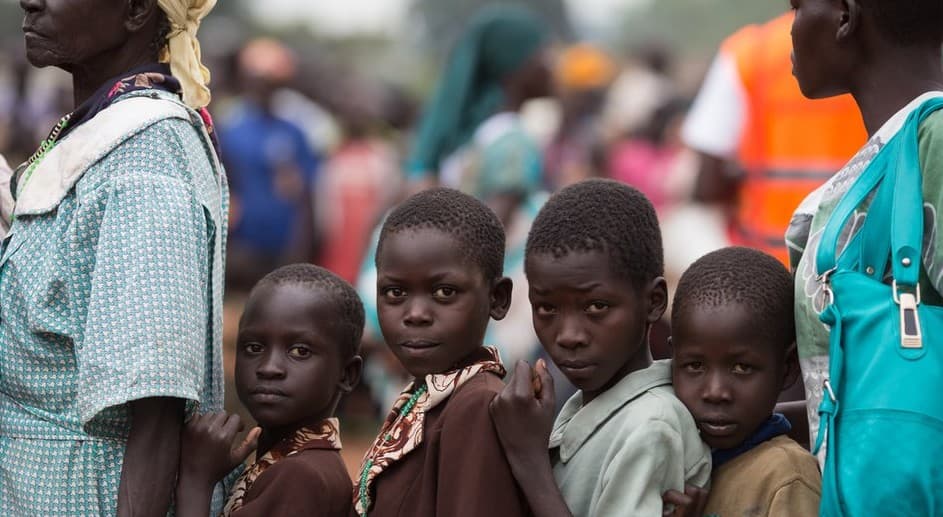
The outlook is particularly bleak for Sub-Saharan Africa, fragile and conflict-affected economies, which are projected to account for 87 per cent of people living in extreme poverty by 2030.
Global progress in reducing extreme poverty has stalled, leaving about 811 million people living on less than $3 (Sh389.76) a day in 2026.
The latest World Bank poverty report reveals that the global extreme poverty rate has remained unchanged since 2019, raising concerns that years of progress in improving living standards could be reversed.
The outlook is particularly bleak for Sub-Saharan Africa, fragile and conflict-affected economies, which are projected to account for 87 per cent of people living in extreme poverty by 2030.
The bank warns that without stronger growth in income per person, the number of people living in extreme poverty by the end of the decade could exceed the current level.
The challenge extends beyond those living below the extreme poverty line, with nearly half of the world's population, about 3.7 billion people, surviving on less than $8.30 (Sh1,078.34) a day.
Many remain vulnerable to economic shocks, job losses, rising living costs and climate-related disasters that can push households back into poverty even after they have made economic gains.
Latest Stories
Progress towards shared prosperity has also slowed sharply.
The World Bank's Prosperity Gap, which measures how far incomes remain from a dignified and secure standard of living, halved between 1990 and 2013 but has narrowed by barely one per cent annually since.
Inequality remains a major obstacle, with one in five people globally, and more than a third of those living in extreme poverty, residing in economies with high levels of income inequality.
Climate change is adding to the pressure, particularly for vulnerable communities with limited access to social protection and basic infrastructure.
Of the 4.5 billion people living in areas exposed to major climate-related hazards, 1.5 billion face high vulnerability.
Although the global share of people facing such risks fell between 2010 and 2021, their number increased by 461 million.
The report argues that expanding access to employment and improving wages are central to reversing the trend, particularly because human capital is the main productive asset held by poor households.
Closing employment gaps in poor households, by raising the share of working-age adults in employment to 75 per cent, could reduce extreme poverty by a fifth, according to the lender.
It adds that raising poor workers' earnings towards those of comparable non-poor workers could cut poverty by nearly half.
The bank also notes that ending extreme poverty would add less than five per cent to global emissions, despite the poorest people contributing the least to emissions while bearing the greatest consequences of climate change.
Comments
No comments yet. Be the first to share your thoughts.