
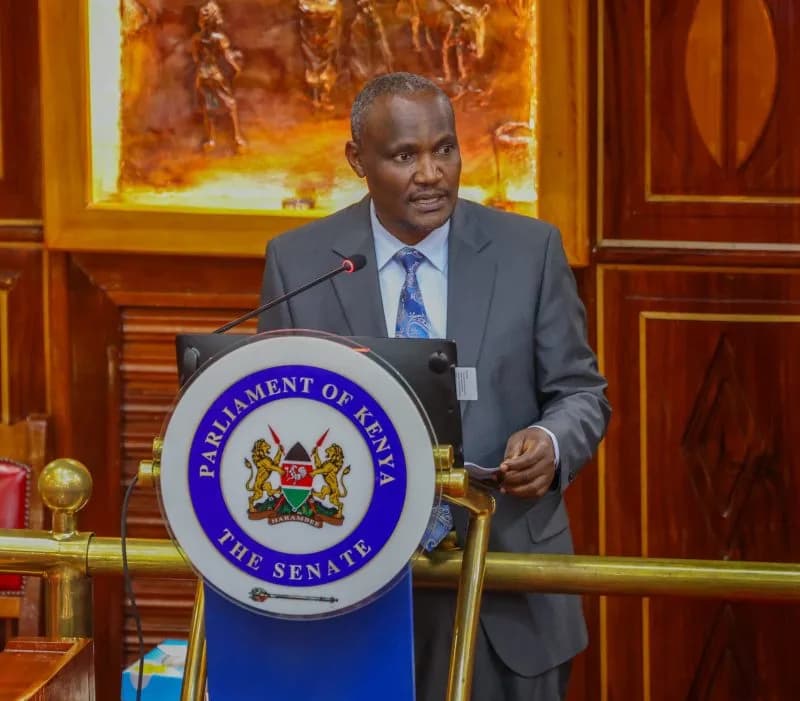
NAIROBI, Kenya, Oct 22 – The National Treasury is expected to table a Bill in the National Assembly next week to implement proposed changes to Pay As You Earn (PAYE), including a zero per cent tax rate on monthly earnings of up to Sh32,333.
Treasury Cabinet Secretary John Mbadi and National Assembly Finance and Planning Committee Chairperson Kuria Kimani said the legislation would give effect to the changes announced by President William Ruto, which aim to reduce the tax burden on lower-income earners.
Under the proposal, monthly earnings of up to Sh32,333 would be taxed at zero per cent, while the existing rates of 25 per cent, 30 per cent, 32.5 per cent and 35 per cent would remain unchanged.
The changes would also remove personal relief, a tax credit that currently reduces the amount of PAYE an employee pays.
Mbadi said the government wanted to exempt workers earning up to the proposed threshold from income tax while retaining the existing rates for other income bands.
“Those who are earning up to Sh32,333 per month will be taxed at zero per cent. We want to do away with things called relief,” Mbadi said.
He said an employee earning Sh32,333 a month could benefit by about Sh2,083, giving households more money to spend.
However, removing personal relief while exempting the lowest income band would change how tax benefits are distributed among workers. The final impact will depend on the provisions in the Bill and how the changes are implemented.
The proposal must be approved by Parliament before it can take effect. Lawmakers will consider its implications for workers and government revenue.
The planned legislation comes after a series of tax changes in 2026, including amendments to capital gains tax, the Finance Act 2026 and the Tax Laws (Amendment) Act 2026, which introduced changes affecting petroleum products and excise duty.
The government faces the challenge of reducing the tax burden on households while raising enough revenue to finance public spending.
The proposed removal of personal relief also raises questions about other tax incentives, including insurance relief, as the Treasury reviews tax exemptions under its Medium-Term Revenue Strategy for the 2024/25 to 2026/27 financial years.
The changes are expected to be considered ahead of preparations for the 2027/28 budget, which will be drawn up before the August 2027 General Election.



Comments
No comments yet. Be the first to share your thoughts.