

Kenya creates only 120,000 to 150,000 formal sector jobs annually, despite nearly one million young people entering the labour market each year, raising concerns about the country’s ability to provide stable employment opportunities.
World Bank Country Director Qimiao Fan has warned that the widening gap between the number of young people seeking work and the formal jobs available was exposing a major weakness in Kenya’s labour market, where informal employment continues to dominate.
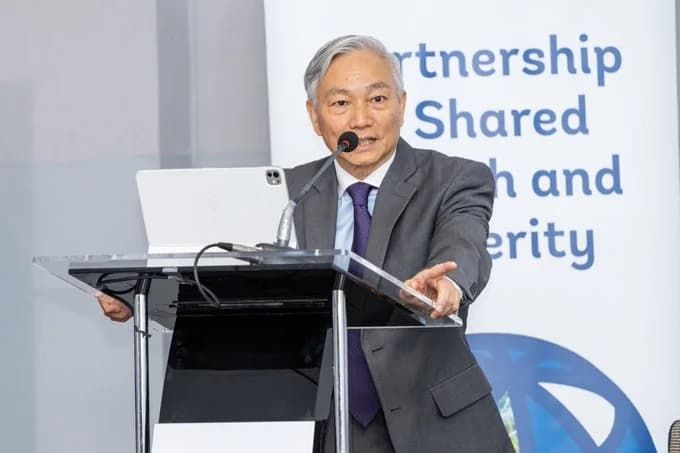
Speaking at the launch of the World Bank’s latest Kenya Economic Update, which focused on governance constraints to economic growth and job creation, on Wednesday, November 4, Fan said employment was growing, but the quality of available jobs remained a major concern.
Kenya’s Economy Grows, but Informal Jobs Continue to Dominate Labour Market
He noted that informal employment often comes with lower wages, reduced productivity and limited worker protection, leaving many Kenyans without the security associated with formal employment.
“While employment is also growing, the quality of jobs remains a challenge. Almost 84% of jobs remain informal. Those informal jobs often come with lower pay, lower productivity and limited protection for workers,” he said. “The challenge, therefore, is not only to manage fiscal pressure, but really to create more and better jobs.”
Fan said the pressure on the labour market was particularly significant because the number of young people seeking employment far exceeds the formal opportunities being created.
He described the gap as significant, warning that the challenge facing Kenya was not simply creating more employment opportunities but ensuring that those jobs offered better working conditions and incomes.
For many workers, informal employment means limited access to pension contributions, health insurance, paid leave and other protections enjoyed by employees in the formal sector.
“We know there are close to a million young people coming to the labour force every year. But on average, in the last few years, only about 120 to 150,000 formal sector jobs are created,” he stated.
World Bank Links Better Jobs to Governance Reforms
Fan argued that addressing Kenya’s employment challenges would require improvements in governance, public finance management and the business environment.
He said corruption and weak governance were increasing the cost of doing business, placing additional pressure on companies that could otherwise expand and employ more people.
According to Fan, the World Bank’s report estimates that corruption increases Kenya’s fiscal deficit by approximately two percentage points of GDP.
He also pointed to the high cost of basic services, including electricity and logistics, arguing that these expenses make it harder for businesses to expand.
The report further found that 39 per cent of surveyed firms identified corruption as a major business constraint.
Fan noted that medium-sized businesses were particularly important because they had the potential to grow into larger employers if the operating environment improved.
He called for greater transparency in public procurement, stronger fiscal discipline, improved tax administration and measures to lower the cost of doing business.
Reforms Could Create 7.7 Million Additional Jobs
The World Bank director said implementing ambitious governance reforms could significantly improve Kenya’s economic performance and employment prospects.
According to the report, moderate governance improvements could increase the country’s GDP by almost nine per cent relative to the current growth path, while more ambitious reforms could raise it by more than 20 per cent compared with a no-reform scenario.
The ambitious reform scenario could also support the creation of approximately 7.7 million additional and better jobs while helping reduce public debt as a share of GDP by 2035.
Fan said the proposed reforms were achievable, pointing to countries such as Tanzania, Côte d’Ivoire, India and Vietnam, which had recorded improvements in governance.
He maintained that most of the proposed changes would not require additional government spending but would instead involve addressing weaknesses in existing legal, institutional and policy frameworks.
“Better governance is an economic imperative,” Fan said.
He added that strengthening governance and improving the management of public resources would help Kenya protect fiscal sustainability, improve the business environment and translate economic resilience into faster growth and better employment opportunities.
Follow our and X Account for real-time news updates, and subscribe to our YouTube Channel for in-depth interviews.



Comments
No comments yet. Be the first to share your thoughts.