
Ride-hailing has become core urban infrastructure across African capitals over the past decade, moving from a novelty for the few to a daily necessity for millions of commuters navigating congested cities.
As the sector matures, the companies competing for market share are increasingly differentiated not by who can subsidize fares the longest, but by who can build a model resilient enough to survive without that subsidy.
Yango Group, which operates ride-hailing, public transport and delivery services, is positioning itself as a case study in that shift. Rather than the investor-funded discount wars that have defined much of the industry’s early growth across emerging markets, the company is betting on a business-to-business structure that routes its expansion through local small and medium enterprise fleet partners, rather than individual drivers signed up one at a time.
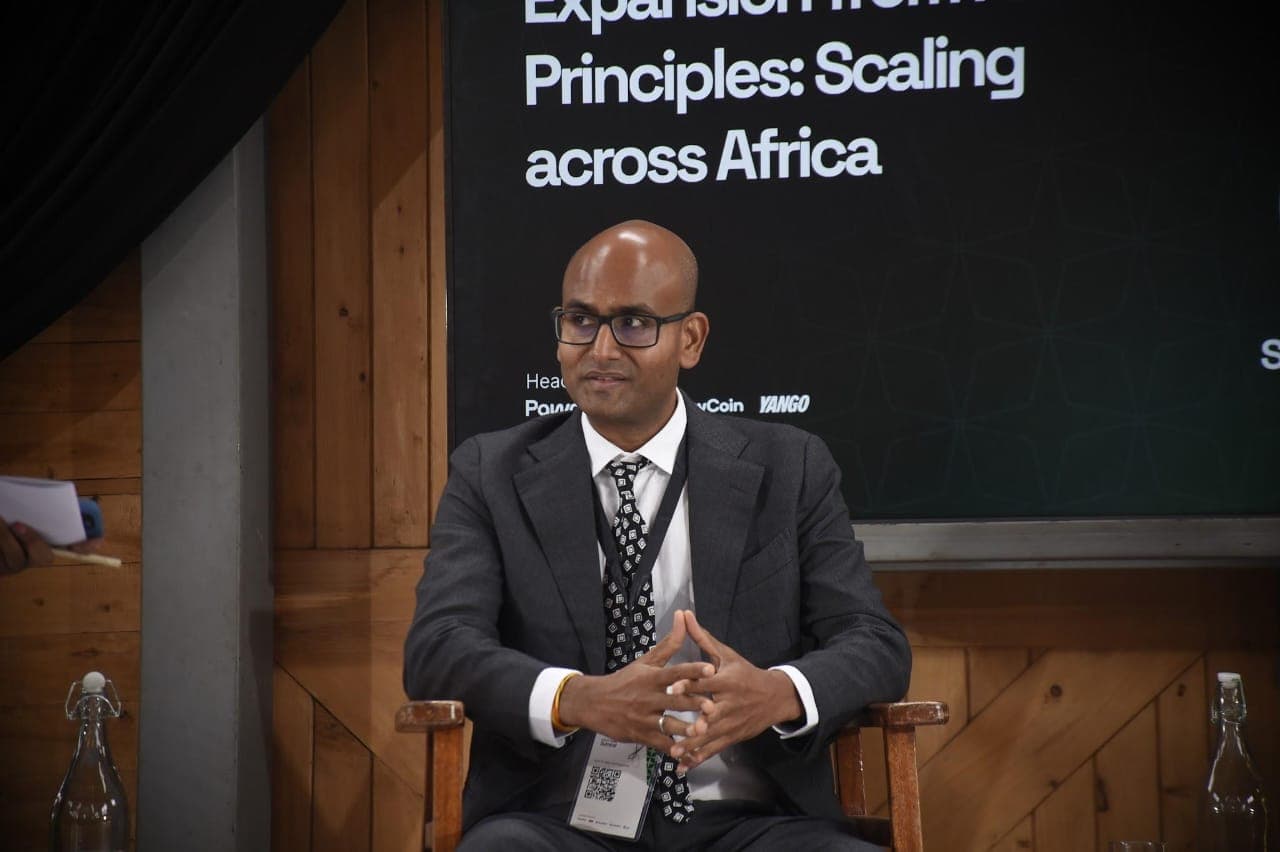
“When we think about entering a market in Africa, we avoid the traditional, discount-driven race to the bottom that has characterized the sector for years,” said Shashi Shekhar Singh, Director of Operations for Yango Ride (Africa & Asia), speaking at the Tech Safari Summit 2026 in Nairobi. “Instead, our focus is on introducing a distinct business-to-business operational framework built entirely around empowering local small and medium enterprise fleet partnerships.”
Betting on the fleet owner, not the individual driver
The standard ride-hailing playbook treats drivers as independent contractors, each absorbing their own vehicle costs, fuel volatility and the day-to-day unpredictability of a platform’s algorithm. Yango’s model works differently: instead of contracting solo drivers, the company operates as a technology and demand partner to local fleet businesses, which in turn hire and manage their own driver teams.
The pitch to those SME operators is straightforward a driver with a thin, informal transaction history is a difficult customer for a conventional bank; a registered fleet business with recurring revenue is a much easier one.
“This model addresses a critical bottleneck in the African transport sector: credit access,” Singh said. “While an individual driver with an inconsistent digital transaction record struggles to secure standard bank financing, an established fleet partner is in a far stronger position to negotiate asset-backed financing.” It’s a structural bet as much as a financial one: build the ecosystem around businesses capable of accessing capital and scaling, and the individual economics driver pay, vehicle quality, service reliability should improve as a byproduct, rather than being propped up by short-term subsidy.
Competing on consistency rather than price
Where the model gets tested is in how it’s priced. Yango has chosen to anchor its positioning in newer vehicles, more structured driver training, and stronger safety features — a premium lane rather than a race to match the cheapest fare on the market. That’s a wager on a specific segment of commuters: riders who will pay a modest premium for predictability and safety over the rock-bottom price of the least regulated alternative.
It’s not a bet Yango is making on ride-hailing alone. The company has been building outward from single-city trips into a broader regional transport ecosystem, including an investment in BuuPass, a Kenyan platform for intercity transport, ticketing and travel technology. Combined with moves into logistics, B2B software and parcel delivery, the strategy gives local fleet partners more than one revenue line to lean on reducing how much of their business depends on the day-to-day swings of urban commuter demand.
Expansion on a longer timeline
Scaling a transport platform anywhere in Africa means operating inside regulatory environments that are still actively being defined and doing so under close public scrutiny of how workers whether contracted directly or through an intermediary business are treated.
Singh pointed to the company’s operating history across more than 30 countries in Latin America, Europe and the Middle East as the basis for how Yango approaches that scrutiny: engaging with regulators as it enters a market, rather than after problems surface.
Whether the fleet-partner model outperforms the direct-driver approach used elsewhere in the industry is, ultimately, a question that will be answered over years rather than a single quarter.
What’s clear is that Yango is deliberately choosing a slower, partnership-based path into African markets one built on the premise that durable growth for a platform depends on the durability of the small businesses built on top of it.



Comments
No comments yet. Be the first to share your thoughts.