
NAIROBI, Kenya, Sept 25 – Africa’s push to expand digital access is being held back by high data and device costs, weak coordination and uneven public investment, a study has found.
The report, Digital Inclusion in Africa: Mapping the Ecosystem Gap, examines digital inclusion ecosystems in Ethiopia, Algeria, Namibia, Côte d’Ivoire, Mozambique and the Democratic Republic of Congo (DRC), highlighting a persistent divide between urban connectivity and rural access.
“Affordability remains a major constraint. In several of the countries studied, mobile data costs consume a significant share of monthly income, placing regular internet use out of reach for many households, especially young people and those in rural areas,” read the report in part.
“Even where network coverage exists, limited digital literacy, low availability of relevant local content, and weak integration of digital tools into education and livelihoods restrict meaningful participation in the digital economy.”
The findings also resonate with Kenya, one of Africa’s more connected markets, where widespread network coverage has not translated into universal internet use.
4G coverage had reached 97.3 per cent of the population by mid-2025, while active mobile subscriptions stood at 88 million as of June 2026, according to sector data.
However, a joint survey by the Communications Authority of Kenya and the Kenya National Bureau of Statistics found that only about 35 per cent of Kenyans aged three and above had used the internet during the period covered by the survey.
The gap is particularly pronounced between urban and rural areas, with internet use at 56.6 per cent in urban areas compared with 25 per cent in rural areas.
Nairobi recorded the highest rate at 64.7 per cent, underscoring the wider challenge identified by the report ;expanding infrastructure while ensuring households can afford devices, data and the skills needed to use digital services.
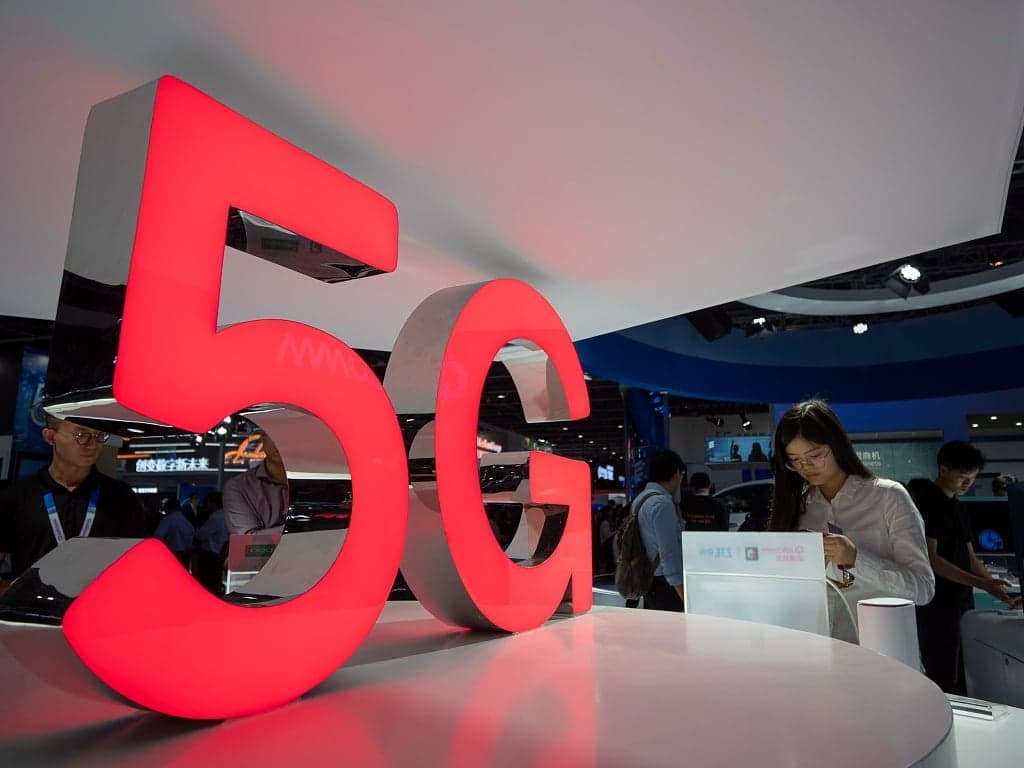
The report says urban areas across the six countries have strong 4G coverage, with some markets piloting 5G, while rural communities continue to face weak last-mile infrastructure.
Ethiopia recorded the strongest sustained increase in public digital investment, with allocations rising from about $250 million in 2020 to $500 million in 2024.
Côte d’Ivoire’s allocations increased from about $87 million in 2020 to $101 million in 2025, while Namibia recorded more moderate but steady growth.
The report cautions that rising budgets do not automatically translate into inclusion.
Mozambique recorded an estimated $425 million allocation before falling sharply in subsequent years, reflecting reliance on project-based financing.
Private companies are increasingly filling gaps through connectivity, digital skills, innovation hubs and financial services.
The report cites partnerships involving telecom operators and technology companies, but says many initiatives remain fragmented or concentrated in major cities.
The assessment combined reviews of policies, budgets and Universal Access Fund frameworks with interviews involving government, private-sector, civil society and development actors.
The report urges governments, private-sector players, civil society and development partners to align projects with national digital strategies and move pilots to national scale.
It cautions that without stronger governance and coordination, Africa risks building connected cities while leaving rural households and low-income users behind.

Comments
No comments yet. Be the first to share your thoughts.