
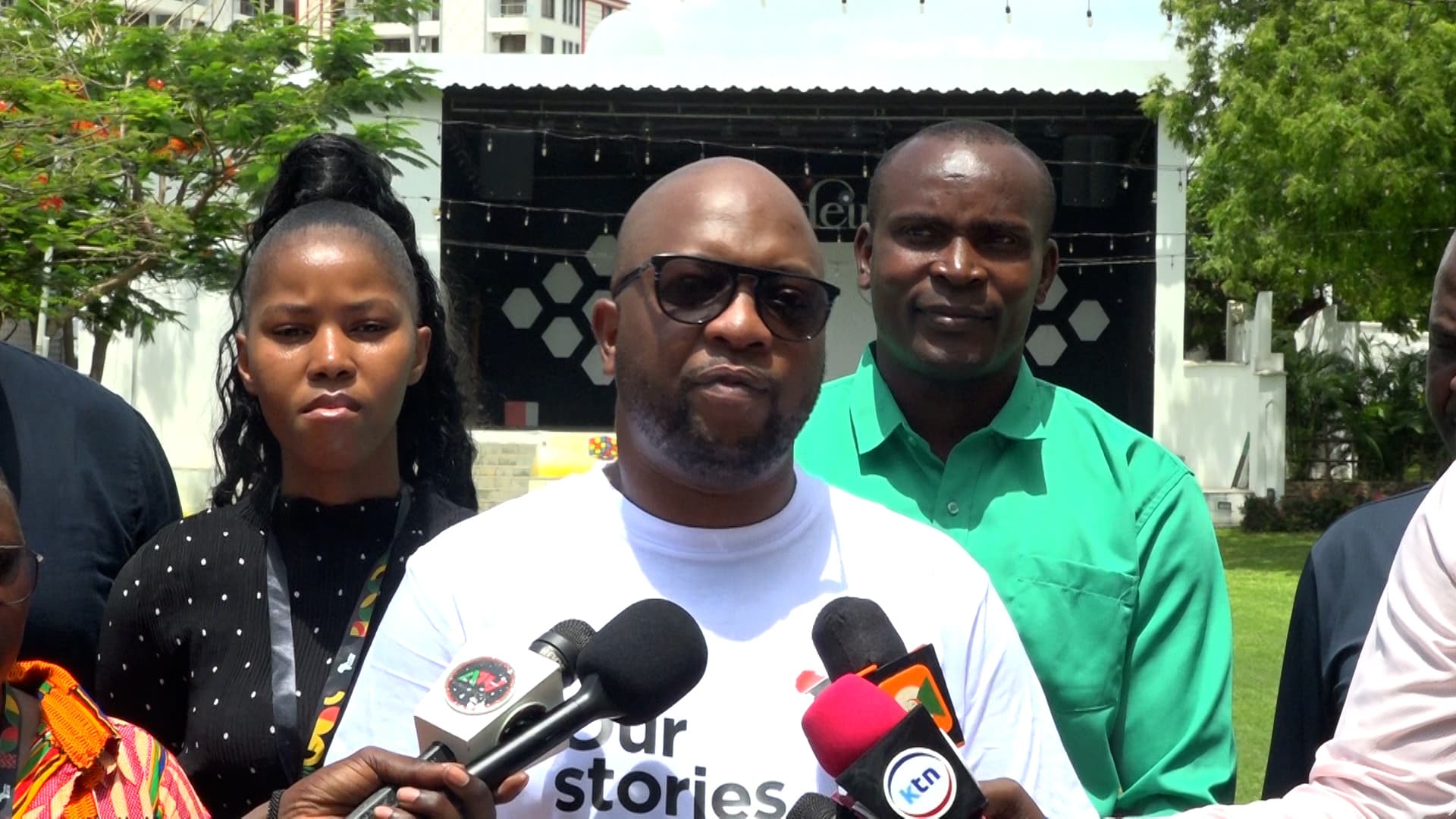
African storytellers, creatives and cultural advocates have called on Africans to take charge of telling their own stories, saying narratives can drive social change and preserve the continent’s culture.
The call was made during the third edition of Afrotellers in Mombasa and has drawn more than 200 delegates from across Africa and the diaspora.
Held under the theme “Narrative Sovereignty in the Age of AI and Shifting Global Power,” the conference is examining how creatives can retain control over their stories, navigate emerging technologies and strengthen the continent’s creative industries.
Storytellers, activists, researchers and policymakers are deliberating on artificial intelligence, algorithmic colonialism, language representation in technology, information warfare, and policy frameworks involving the African Union and the East African Community.
Afrotellers Executive Director Wilson Chisaga said the conference offers an important platform for creatives to exchange ideas, forge partnerships and explore new approaches to storytelling.
“Our agenda is to create a platform to chart new pathways as African storytellers and to show that we are united despite our borders,” he said.
He said Mombasa’s history and cultural heritage made it an ideal venue for conversations on narrative sovereignty. “Mombasa has a rich history. It shows that African narrative sovereignty exists. The time to tell our stories in our own way and through our own platforms is now,” Chisaga said.
Afrotellers Board Chairman Dr Munywradzi Chatikobo challenged creatives to ensure storytelling goes beyond documenting experiences and delivers tangible improvements in people’s lives. He said African narratives should shape how the continent is perceived globally and also inspire social and economic transformation.
“Apart from just telling stories, we want to see the continent embodying the stories that the world can see. The embodiment should also start to influence the lives of Africans,” Chatikobo said.
Mombasa County Executive Committee Member for Sports and Gender Jonathan Wephukhulu said hosting the gathering was a significant milestone for the county’s efforts to promote cultural exchange, nurture local talent and expand tourism.
He said the forum gives local creatives a chance to showcase their abilities and explore partnerships with counterparts from across the continent.
Human rights activist Rachael Mwikali called for greater recognition of the Coast region’s heritage through African-led storytelling. She cited freedom fighter Mekatilili wa Menza as one of the personalities whose contribution deserves wider recognition, noting that the region has many untold stories waiting to be documented.
She urged creatives to strengthen collaboration, embrace technology responsibly and engage policymakers in developing frameworks that support the creative sector.
“We must unite as African storytellers and be creative. Let us also use technology positively in telling our stories. There is a need to work closely with policymakers,” Mwikali said.
By Ramadhan Nassib
Comments
No comments yet. Be the first to share your thoughts.