
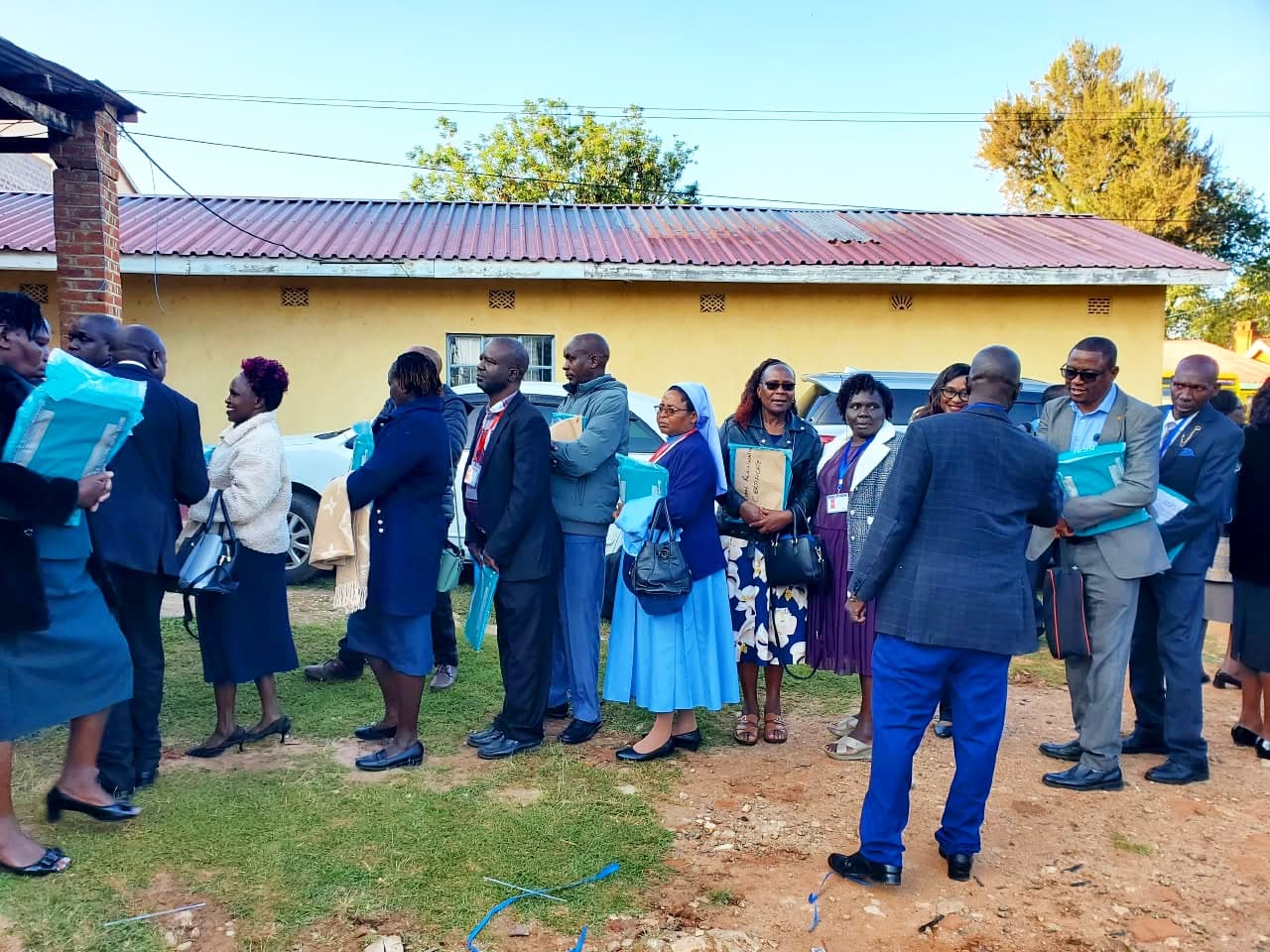
The 2026 Kenya Certificate of Secondary Education (KCSE) examinations have kicked off smoothly in West Pokot County, with 22,991 candidates expected to sit the national examinations across 226 centres.
Rift Valley Regional Director of Education James Indimuli confirmed that the first-day exercise commenced on time following the successful opening of the examination container at West Pokot Sub-County headquarters.
Indimuli, who witnessed the opening alongside Kenya National Examinations Council (KNEC) monitoring officers, Ministry of Education and Teachers Service Commission (TSC) officials, and security personnel, said all examination centre managers reported on time to collect their papers in accordance with KNEC regulations.
He said the examination materials were subsequently dispatched to all the 226 centres, comprising 223 public institutions and three private schools.
The exercise was witnessed by West Pokot County Director of Education Clarice Mwita, West Pokot Sub-County Director of Education Amos Kibet and Deputy County Commissioner Samuel Kiarie, who led the security team, among other education stakeholders.
Indimuli said transport arrangements had been well coordinated, with favourable weather conditions expected to facilitate the timely delivery of examination materials to all centres.
He added that security officers had been deployed alongside centre managers to their respective examination centres to ensure a smooth and secure administration of the examinations.
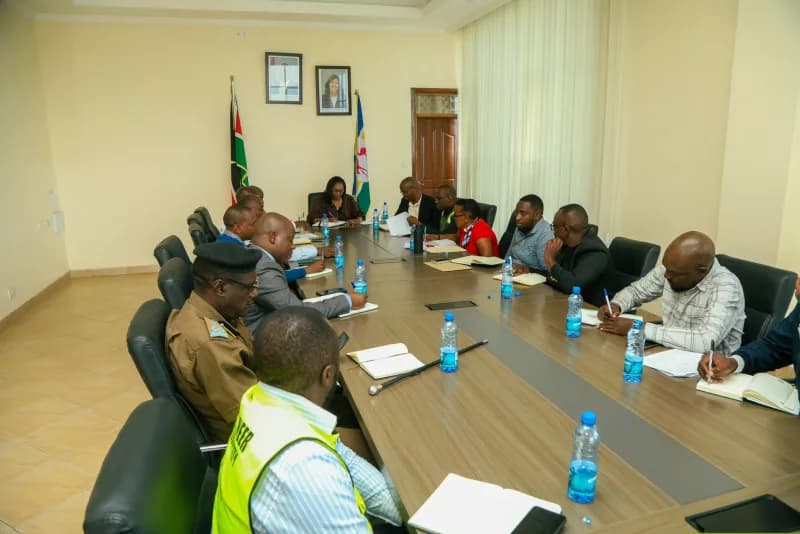
KNEC and Ministry of Education officials have also been deployed on the ground to monitor the exercise and prevent examination irregularities.
The regional director expressed confidence in the preparedness of education and security stakeholders, noting that the timely opening of the container and dispatch of examination papers demonstrated effective coordination among the agencies involved.
The 2026 KCSE examinations are being administered across the country, with authorities maintaining heightened vigilance to safeguard the integrity and credibility of the national assessment.
By Parklea Ivor

Comments
No comments yet. Be the first to share your thoughts.