

Kericho County is set to introduce a certification programme for experienced Jua Kali artisans, even as the county government moves to formally recognise skills acquired through years of practical work to improve the working environment for informal-sector businesses.
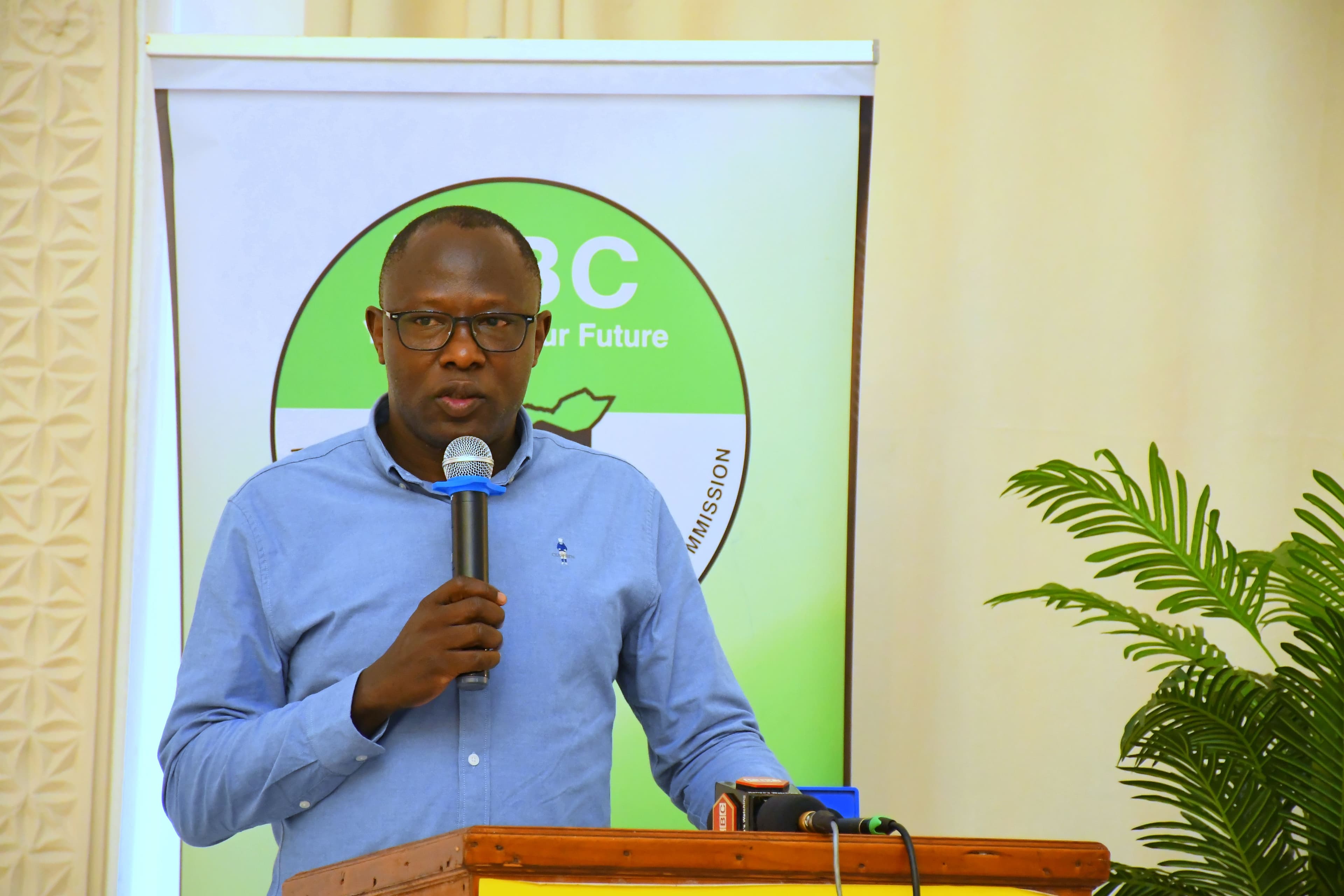
Speaking during the Kericho County Jua Kali CBO conference, Governor Dr. Eric Mutai said the county would pursue a Certificate of Prior Learning programme to ensure experienced artisans are not disadvantaged in their careers simply because they lack formal academic certificates.
Mutai said many artisans have accumulated extensive knowledge and practical expertise over decades but remain without formal documentation to demonstrate their abilities.
He cited the example of a carpenter who may have spent about 30 years in the trade, arguing that such experience should be recognised rather than allowing the absence of a certificate to limit the artisan’s progress.
“We are going to hold ground so that those experts who have been in the industry for a long time receive a certificate of prior learning,” said the governor.
He said the county would look into its existing budgetary resources, including money allocated to bursaries and scholarships, to identify resources that could support the certification of artisans through prior learning.
The intention is to enable experienced workers to obtain formal recognition of their skills and subsequently connect them with opportunities where their expertise can be put to use.
Mutai said the county’s support would not end with certification, indicating that artisans would also be assisted in accessing opportunities beyond the local market.
He said the administration was exploring ways of connecting skilled workers from Kericho with industry opportunities where their practical experience could be useful.
The Governor also challenged Jua Kali artisans to embrace competition and continue improving the quality of their work, saying formal recognition of their skills should be accompanied by efforts to strengthen their competitiveness.
He said artisans with experience and technical ability have an opportunity to build their livelihoods further if they are properly supported and connected to appropriate markets.
The certification programme is also expected to address a gap between practical experience and formal qualifications among artisans in Kericho.
Under the proposed approach, workers who have developed their skills through years of hands-on work would have a pathway through which that experience can be formally assessed and recognised.
Alongside the certification plans, Mutai announced that the county was considering the establishment of a four- to five-acre dedicated working area for mechanics as part of efforts to address congestion in Kericho town.
The proposed facility would contain specialised garage sheds, worker accommodation and amenities, organised vehicle parking and areas for spare-parts businesses.
It will also provide mechanics with a more organized place to conduct their businesses, while helping the county deal with congestion associated with activities currently taking place within the town centre.
The Governor’s remarks also highlighted the challenge of relocating traders and artisans without providing them with viable alternatives for continuing their livelihoods.
Mutai questioned how workers expected to sustain themselves after being moved away from their established places of business without adequate space and facilities.
He said any efforts to reorganize activities within Kericho town must take into account the livelihoods of people who depend on those businesses to support their families.
The county’s plans also include broader modernisation of Kericho town, with the governor saying pedestrian pathways are being considered to improve movement and reduce accidents.
The administration is also working on a proposed development that would include about 5,000 affordable housing units and an Export Processing Centre, with the aim of expanding economic activity beyond the existing town centre.
Security improvements are also part of the county’s plans, with the administration working with investors on solar lighting projects in dark areas, including Mara, Pakachini, Pari, Una and Madre.
The county also plans to install surveillance cameras across the town and strengthen cooperation between security agencies and business owners to improve safety.
In healthcare, Mutai said a new hospital is being constructed to bring emergency medical services closer to residents. The facility is expected to reduce the need for residents to travel long distances when seeking emergency care, particularly at night.
For Kericho’s Jua Kali artisans, however, the proposed Certificate of Prior Learning programme and dedicated working space for mechanics represent the most direct interventions announced at the conference.
The initiatives seek to address two longstanding needs within the sector: recognition of practical skills and access to suitable spaces in which artisans can operate their businesses.
The Governor’s proposals now put the focus on implementation, particularly how experienced artisans will be assessed and certified, how resources will be allocated to the programme and when the proposed mechanics’ facility will become operational.
For the artisans, the success of the initiatives will ultimately depend on whether the commitments translate into formal recognition, better working conditions and improved opportunities for their businesses within Kericho County.
by Fidel Ochieng and Humphrey Edwin

Comments
No comments yet. Be the first to share your thoughts.