
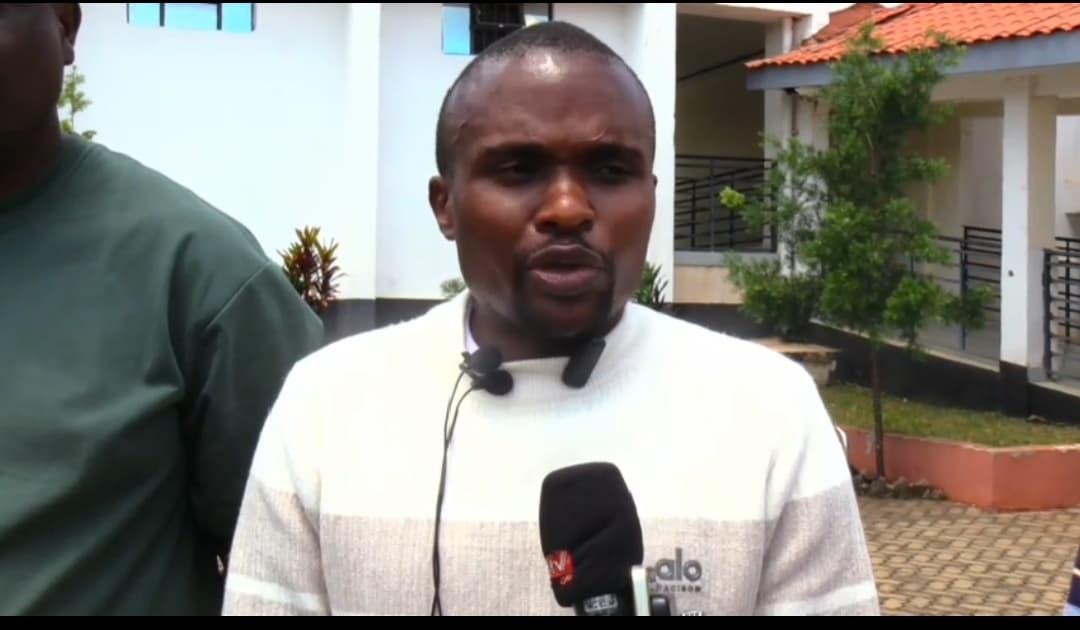
UNICEF is targeting to screen nearly 50,000 children aged between zero and 19 years in Vihiga and Isiolo counties for four Non-Communicable Diseases (NCDs) under a three-year programme valued at USD 600,000.
The programme will focus on type 1 diabetes, sickle cell disease, asthma and heart diseases, which health officials say are increasingly affecting children and require early detection and management.
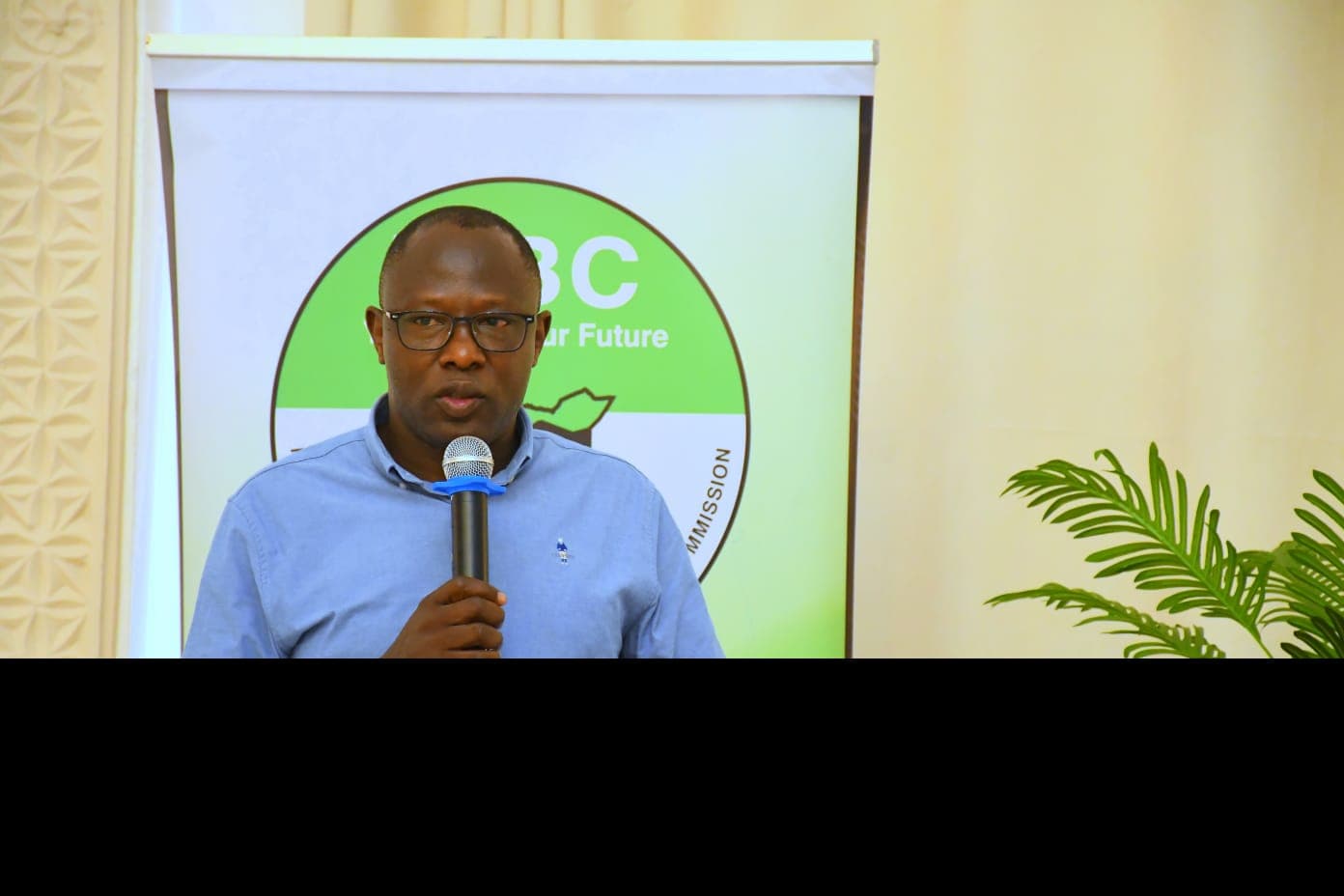
Speaking during a media sensitisation training at Vihiga Teaching and Referral Hospital (VTRH), Vihiga County Non-Communicable Diseases Coordinator Mike Olonyo Endovo said the initiative was developed after a gap was identified in the screening and management of NCDs among children.
He said the programme targets to screen approximately 30,000 children in Vihiga and 20,000 in Isiolo, with the aim of identifying the diseases at an early stage and linking affected children to appropriate care.
“The numbers for these diseases are very high, and therefore what we want to do is to start screening children so that the diseases are identified at an early stage,” said Endovo.
He said children had previously been left behind in NCD interventions, creating a gap in healthcare services.
“There is a gap in healthcare, leaving children behind. Therefore, we have taken the initiative to have children screened for the four diseases because they are common among children,” he said.
Endovo said materials targeting caregivers were being developed and undergoing validation before being rolled out. The programme will also establish support groups and sensitise teachers, parents, caregivers and the media on the four conditions.
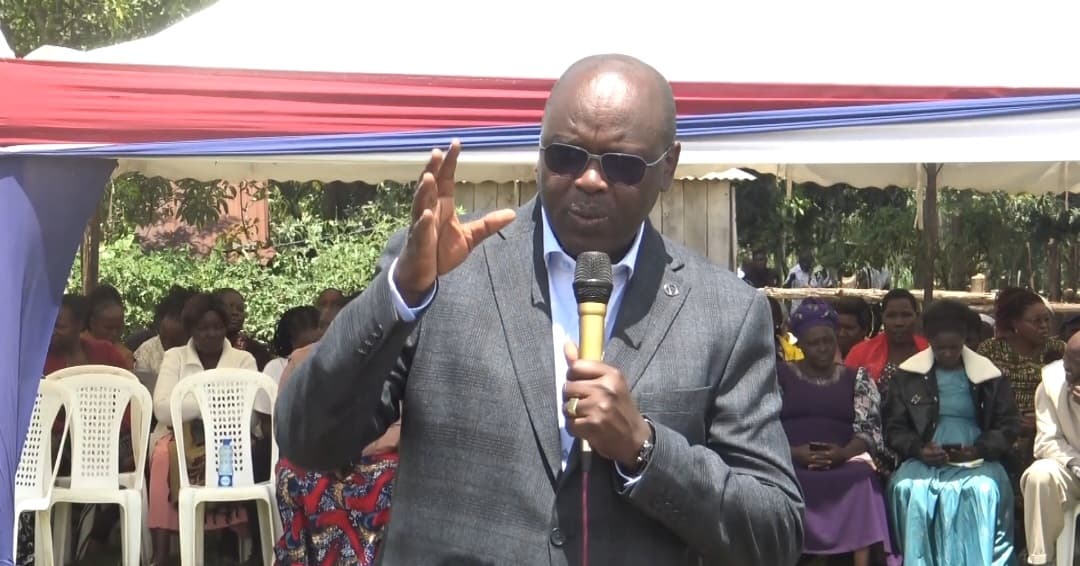
A Clinical Officer at VTRH Sophie Omutere, who facilitated the media sensitisation session, said some children are born with certain conditions, while others develop them during early childhood and present with different symptoms.
She said type one diabetes, for instance occurs when the body produces little or no insulin, making children dependent on insulin treatment for survival.
“For children diagnosed with type one diabetes, they are put on insulin, which can also be expensive,” Omutere said.
The clinician underscored the need to sensitise parents, teachers and other caregivers on how to support children living with the condition, noting that type 1 diabetes is a lifelong disease.
Omutere also said children living with asthma require inhalers to manage the condition and stressed the importance of ensuring that both children and their caregivers are trained on the correct use of the medication.
She said increased awareness among parents, teachers, caregivers and the media would help promote early identification, appropriate management and better quality of life for children living with NCDs.
by Rose Wasike
Comments
No comments yet. Be the first to share your thoughts.