
Residents of Ombeyi-Miwani Ward in Muhoroni Constituency have called on the Kisumu County Government to fast-track the upgrading and gazettement of Ramula Health Centre to a Level 3 facility to improve access to essential healthcare services.
The health facility has been operating with limited medical facilities, with the community members raising concerns over the struggles to access quality health services.
They decried frequent referrals that force patients to travel to seek specialised treatment in Ahero County Hospital, while others go as far as Kisumu town.
With the upgrade, the medical centre is expected to serve more than 8,600 people in Ombeyi-Miwani Ward, offering improved access to quality healthcare services like surgical and laboratory services and inpatient and outpatient care.
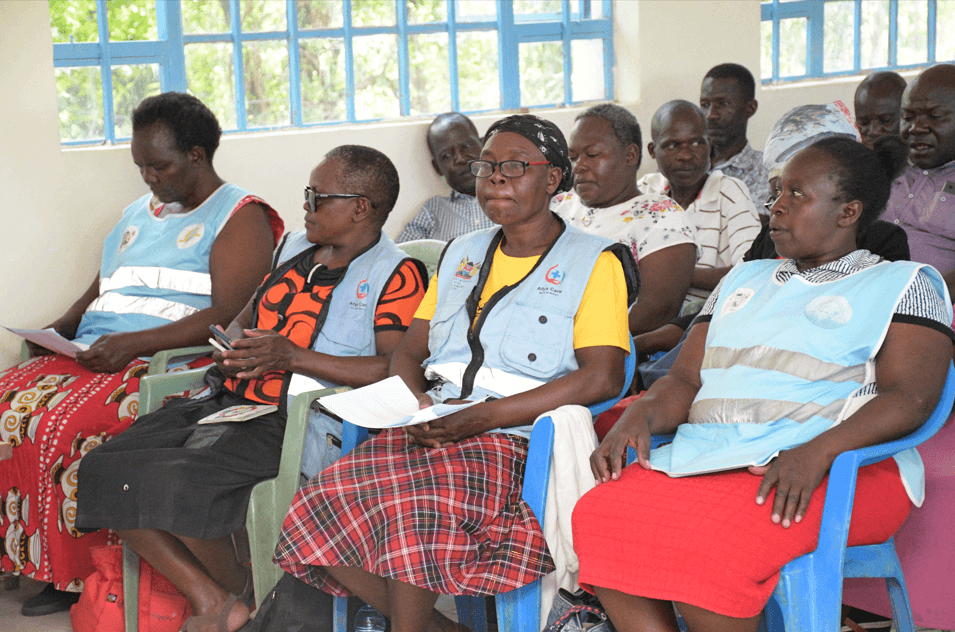
The appeal was made during a community scorecard dissemination forum organised by Hope to the Vulnerable Communities (HOVUC) organisation and stakeholders.
The occasion brought together residents, healthcare providers, local leaders and development partners to assess service delivery challenges and identify interventions to improve healthcare access within the community.
Among the key concerns raised were inadequate infrastructure, poor road access, understaffing, inconsistent availability of medicines and diagnostic supplies, challenges with Social Health Authority (SHA) services, and gaps in emergency response and referral systems.
Joseph Kamire, a village elder from Kadongo village, Ramula Sub-location, said poor road conditions along the Otura and Kowuor roads continue to affect access to healthcare, especially during the rainy season when flooding makes the roads impassable.
This, he noted, affects both patients seeking treatment and ambulances responding to life-threatening emergencies.
“There is a need for improved access roads, more healthcare workers, improved SHA system performance and an ambulance stationed at the facility to respond to medical emergencies,” Kamire said.
He also emphasised the need for consistent supplies of pharmaceutical and non-pharmaceutical commodities to support healthcare workers and Community Health Promoters (CHPs) in delivering services effectively.
The elder expressed optimism that attaining Level 3 status would enable the facility to establish a theatre and strengthen its capacity to conduct emergency surgical operations locally.
Ramula Health Facility nurse in charge, Jesca Akinyi, welcomed the proposed elevation, saying the upgraded status would improve the facility’s access to resources and strengthen its ability to deliver comprehensive healthcare services.
However, she identified several infrastructure gaps that need urgent attention, including inadequate sanitation facilities, limited laboratory space, insufficient storage facilities and poor road access.
Akinyi proposed the construction of additional latrines, an incinerator, an expanded laboratory, more storage rooms and additional consultation rooms to support the facility’s growth.
She also raised concerns about the lack of disability-friendly infrastructure, noting that the absence of ramps and accessible washrooms makes it difficult for persons with disabilities to access healthcare services.
“We are appealing for disability-inclusive infrastructure to help persons with disabilities navigate the facility easily when seeking healthcare services. The lack of stretchers has also posed serious challenges while moving patients who cannot use wheelchairs,” she said.
Akinyi further revealed that the 24-hour facility is operating with only four nurses, one clinician and one laboratory technician, a situation she said contributes to staff exhaustion and affects service delivery.
She added that inadequate diagnostic equipment and supplies, including stretchers, ultrasound equipment and HIV testing kits, continue to undermine the provision of essential medical services.
The nurse cited inadequate supplies of artemether-lumefantrine (AL), oral rehydration salts (ORS), zinc, paracetamol syrup and albendazole for community health promoters affecting community-level healthcare services.
“The CHPs should be equipped with the needed drugs, but with the inadequate supply of AL, ORs, zinc combo, syrup paracetamol, and albendazole, these drugs are only available at the facility,” Akinyi stated.
The Ramula Health Centre Management Committee chairperson, Donn Athembo, called on the county government and development partners to implement the recommendations emerging from the community scorecard exercise.
Athembo identified staff shortages as one of the facility’s biggest challenges, saying they contribute to long waiting times and delays in accessing healthcare.
He said the facility requires an additional three clinicians, eight nurses, three laboratory technicians and a pharmacist to adequately serve the growing population.
To address the staffing gaps, Athembo disclosed that the management committee had hired three staff members on contract, including a clinical officer, a nurse and an SHA personnel officer.
He also cited inadequate infrastructure, noting that the facility has been relying on its revenue disbursement from SHA to undertake projects such as the partial construction of a perimeter wall and a gate to enhance security.
According to Athembo, the male ward has been completed but remains unused because it lacks essential facilities, including a septic tank, beds and bedding to begin admitting inpatients.
He appealed to development partners to support infrastructure improvements necessary to strengthen service delivery and facilitate the facility’s elevation to Level 3.
Meanwhile, Anthony Oduor, team leader at HOVUC, said the community scorecard exercise had enabled residents to identify priority healthcare challenges and develop an actionable plan to address them.
Oduor noted that implementing the recommendations would improve patients’ experiences and contribute to efforts to upgrade Ramula Health Centre to Level 3 status.
He urged the county health department, community members and other stakeholders to work together to address the identified gaps and advance access to universal healthcare.
“The County Department of Health, in collaboration with development partners, should prioritise addressing the identified concerns to improve the healthcare experience and promote the upgrade of Ramula Health Centre to Level 3 status,” Oduor said.
He also called for capacity-building programmes for the facility’s Management Committee to strengthen its oversight and accountability role.
Oduor further proposed that the committee hold quarterly community dialogue forums to update residents on service delivery improvements and provide feedback on concerns raised by healthcare service users.
by Robert Ojwang’



Comments
No comments yet. Be the first to share your thoughts.