

Residents of Mandera have been warned to prepare for potentially heavy October-December (OND) rains, with the Director of the National Disaster Operations Centre (NDOC), Col. (Rtd) David Samoei, cautioning that the county could experience rainfall comparable to the 1997 El Niño season.
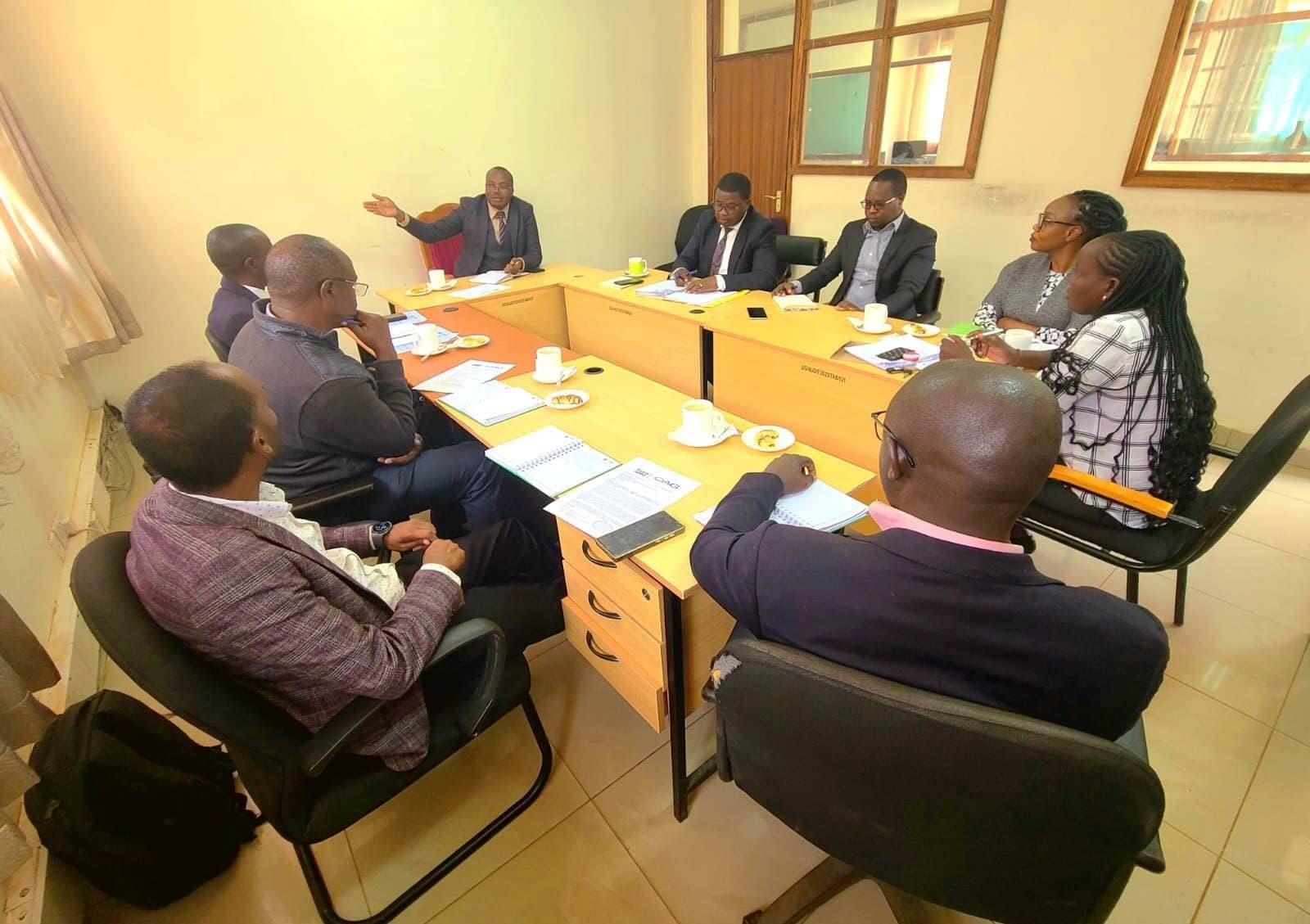
Samoei was in Mandera to assess the county’s preparedness and coordinate disaster response measures ahead of the enhanced OND rains.
Speaking during a visit to Mandera Thursday, Samoei urged residents living in flood-prone areas to move to safer locations before the rains intensify, warning that floodwaters could pose a serious threat to lives.
“We ask the citizens to prepare themselves by moving away from areas where floodwaters will pass so they are not swept away by the water,” he said.
He said the expected heavy rains could severely affect road connectivity, particularly the major route linking Mandera with Wajir, Garissa and Isiolo.
According to Samoei, the volume of water expected could cause serious damage and disruption along the road network, making it difficult for communities to access essential services and supplies.
He also urged the business community in Mandera to stock adequate food before roads become impassable.
Samoei said the national government was working to pre-position food and medical supplies in the region to ensure communities are supported in case transport links are disrupted.
He identified fuel and electricity as other major concerns during the rainy season. He said Mandera town depends heavily on generators for electricity, consuming approximately 15,000 litres of fuel daily, equivalent to about 450,000 litres per month.
With the rains expected to persist for several months, the county could require approximately 1.8 million litres of fuel over four months.
However, the current fuel storage capacity in Mandera is estimated at only 200,000 litres, although an additional facility with a capacity of about 500,000 litres is being developed.
Samoei said the combined capacity would still be insufficient to meet projected demand, particularly as residents and businesses would also require fuel for vehicles.
The NDOC Director said the government and other stakeholders were assessing the challenges and identifying measures to ensure continuity of essential services during the rainy season.
He stressed that residents should take the forecast seriously, noting that some people may still be underestimating the potential intensity of the rains.
Samoei compared the expected rainfall with the 1997 El Niño rains, which caused widespread flooding and significant disruption across the North Eastern region. He said the experience should serve as a warning to communities in Mandera to prepare early rather than wait until flooding occurs.
Meanwhile, the Mandera County Government said it was pre-positioning essential medical supplies and other critical response commodities across the county.
The county has also called for enhanced support from the State Department for Special Programmes, particularly through the provision of food rations, non-food items and livestock drugs to support vulnerable households and pastoral communities.
Mandera has developed a Participatory Scenario Planning (PSP) process and an accompanying action plan to guide early preparedness, response and coordination among government agencies and partners.
Samoei said early preparation remained critical in reducing the potential impact of the enhanced OND rains on communities, infrastructure, livestock and essential services.
By Adan Mohamed

Comments
No comments yet. Be the first to share your thoughts.