
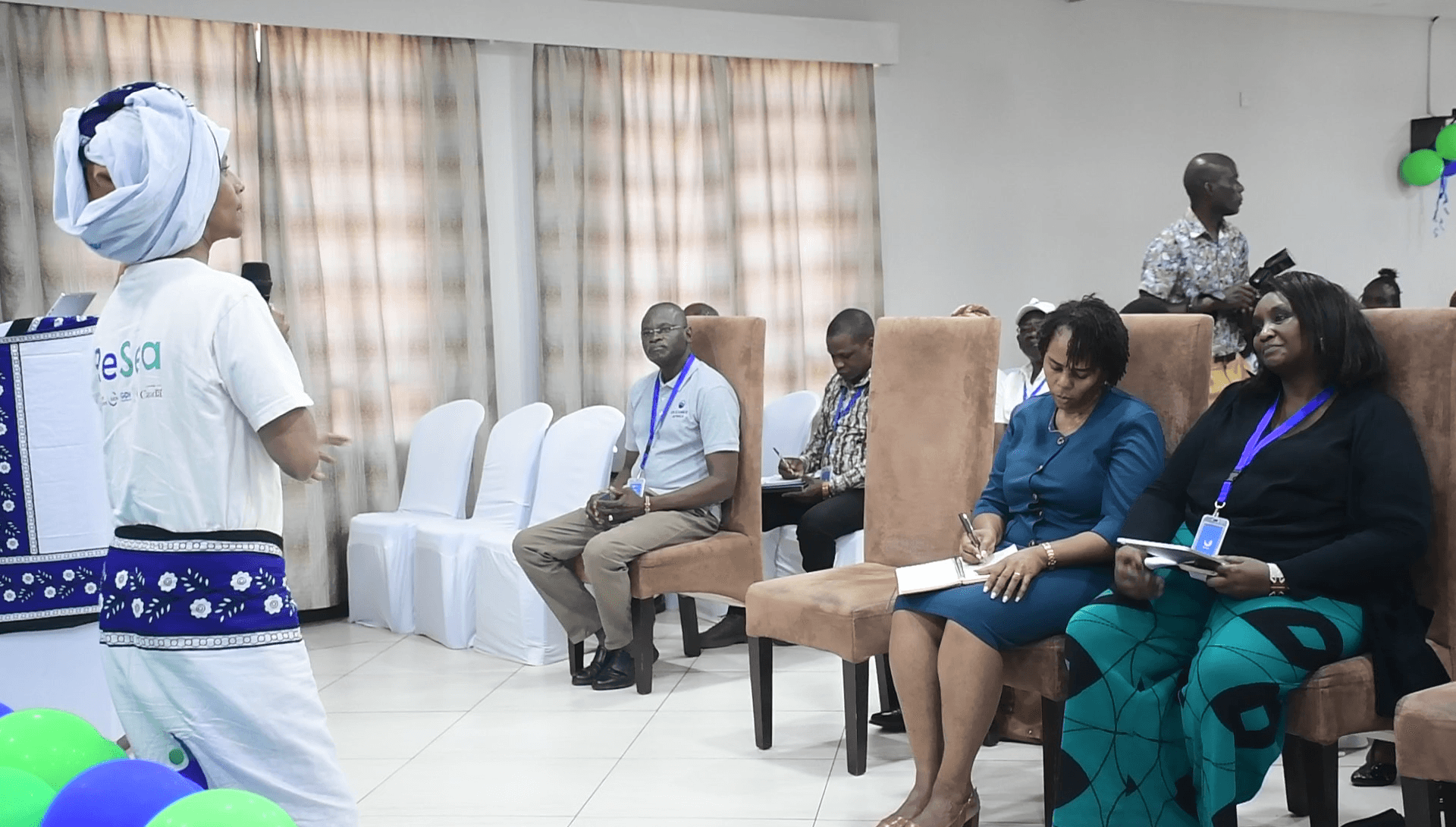
Stakeholders in the maritime sector have called for the full inclusion of women in blue economy projects to strengthen the sector and improve livelihoods in coastal communities.
Speaking during a workshop to empower women involved in blue economy enterprises at Mnarani Club in Kilifi County, RESEA Project leader Perpetua Angima said the initiative was aimed at improving the economic status of women and youth in the coastal region.
“We have given them skills in entrepreneurship, communication and many other areas. We have seen them grow and find their voice. They are now able to explain their businesses, advocate for them and look for opportunities,” Angima said.
She said the project had benefited several women’s groups in Kilifi through economic investments, training and opportunities to participate in the blue economy.
Angima said the beneficiaries underwent a four-month boot camp where they were trained on various aspects of the blue economy and entrepreneurship.
She added that the program was also helping women embrace technology through research and the use of social media to market and sell their products.
“Women are the backbone of the community. They have been able to come out, shine, explore different business opportunities and sell their products. We are also enabling them to become part of the technological world,” she said.
Kilifi Deputy Governor Flora Chibule encouraged women to explore different income-generating activities and use their skills to establish sustainable businesses.
Chibule said women had for a long time remained at the end of many value chains despite their contribution to activities such as fishing, food production and processing locally available materials.
“I met a woman who makes fishing nets, and her message was that women can also do it. We need to accommodate women in the value chain so that they can be part of the circular economy,” she said.
She cited activities undertaken by women, including making honey products, fishing and recycling waste materials into products such as mats, sandals and key holders.
Chibule said empowering women through skills and economic opportunities was important as not everyone could be employed by the Government.
“Empower a woman and you empower the whole community. To men, we are not coming as competitors; we are coming to complement you. We need women everywhere, we need women’s voices, and we have no work for men alone,” she said.
The workshop brought together women engaged in blue economy enterprises and stakeholders who called for continued support to enable them to expand their businesses and contribute to the local economy.
One of the beneficiaries, Mariam Yusuf of Sheila Pwani Women’s Group, said the program had helped members improve their businesses through training, equipment and financial management skills.
“We have benefited greatly from the RESEA project. They have trained us, supported our businesses and provided us with facilities. Our hotel is now doing well, and the community has also benefited because we offer different foods at affordable prices,” Yusuf said.
She said the women had also received training on marketing their businesses, financial management and coping with challenges.
“We have been taught how to save our money and keep it safe. We have also learned how to deal with challenges and how to rise again when we fall,” she said.
The stakeholders said continued support for women-led enterprises would create more opportunities for women while strengthening their contribution to the blue and circular economies.
The Regenerative Seascapes Project for Planet, Nature and People (RESEA) aims to enhance the climate and socio-economic resilience of 350,000 people in coastal communities across Kenya, Tanzania, Mozambique, Comoros, and Madagascar.
The project is being implemented by Mission Inclusion in partnership with the International Union for Conservation of Nature (IUCN), with the support of Global Affairs Canada.
by Queen Mwanzia and Stephen Mrira
Comments
No comments yet. Be the first to share your thoughts.