
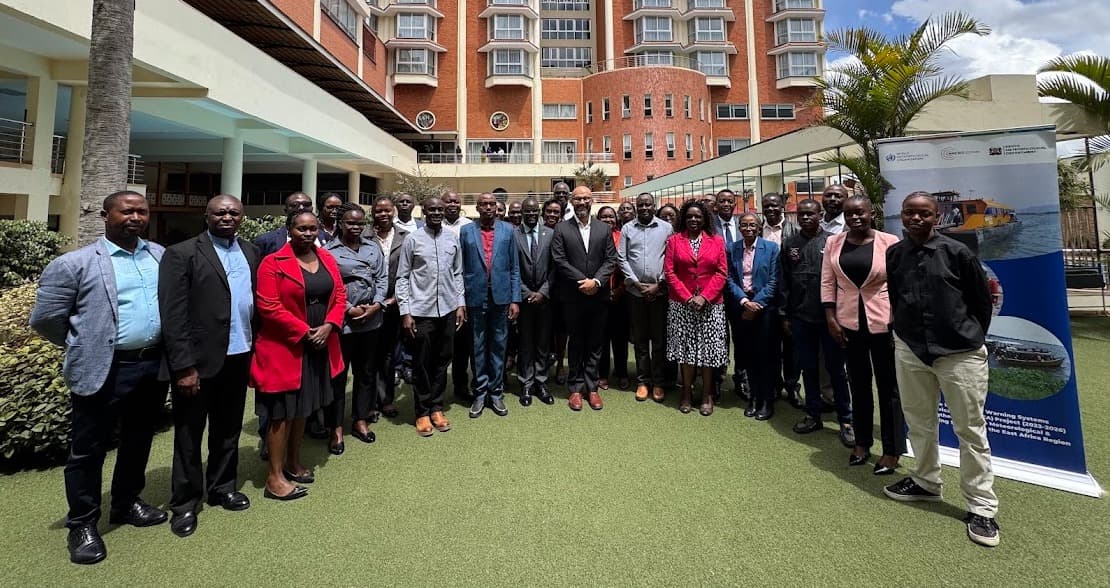
The World Meteorological Organisation (WMO) says investment in weather, hydrological and climate services is essential to protecting lives, supporting livelihoods and strengthening economies.
The Project Officer, in the office of the WMO Representative Office for Eastern and Southern Africa, Dr Joshua Ngaina, says that as the country readies itself for the enhanced rainfall during the October, November to December season, early warnings and reliable weather forecasts are crucial to protecting lives and livelihoods.
“An early flood warning gives communities time to prepare,” he says and adds, “A reliable forecast helps farmers plan, water managers manage supplies, and transport and energy providers reduce disruption.”
Dr. Ngaina, who spoke at the National Expert Elicitation Workshop on the Socioeconomic Cost-Benefit Analysis of Weather, Hydrological and Climate Services held in Nairobi County, said that “better and on-point climate information supports better decisions, reduces losses and helps make investments more effective.”
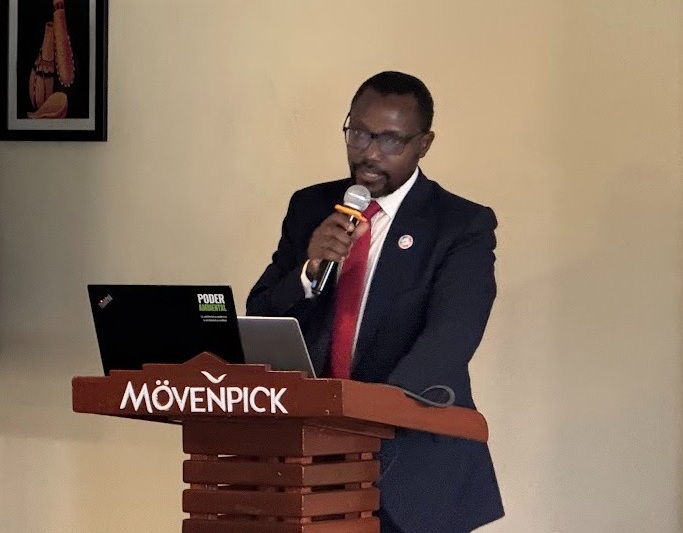
Dr. Ngaina appealed to the media to ensure effective reporting on early warning information, noting that accurate coverage enables both governments and individuals to make informed decisions on impending weather patterns.
The Project Officer, in the office of the WMO Representative Office for Eastern and Southern Africa further noted that, the findings on socio-economic benefits will support the newly established Kenya Meteorological Service Authority (KMSA) and partner institutions in mobilising resources. “Each sector can draw on this evidence to justify increased funding for hydrometeorological services and their application in its own work,” said Dr. Ngaina.
KMSA Acting Director Edward Muriuki noted that weather, water and climate information only creates value when it supports decisions in the sectors and communities that are exposed to climate-related risks.
He noted that Kenya’s economy and development are highly dependent on weather and climate-sensitive sectors, adding that, “reliable and timely weather, hydrological and climate information can help institutions anticipate risks, prepare appropriately and make better decisions.”
The meeting under the Climate Risk and Early Warning Systems for East Africa (CREWS-EA) project brought together technical experts and representatives from key weather and climate sensitive sectors to contribute evidence and expert judgement towards assessing the socioeconomic value of investments in hydrometeorological services.
The workshop was convened within the framework of WMO HydroHub and CREWS East Africa and contributes to a broader assessment covering six East African countries namely Kenya, Uganda, Tanzania, Rwanda, Burundi and South Sudan.
The study seeks to quantify the value of weather, hydrological and climate services, provide governments and financing partners with evidence on returns from hydrometeorological investments, and strengthen the ability of national services to demonstrate the social and economic value they create.
The workshop focused on how enhanced investment in weather and hydrological monitoring, forecasting and modelling infrastructure can provide better hydrometeorological information to support better decisions and improved socioeconomic outcomes.
“Rather than valuing weather, hazards, infrastructure or forecasts in isolation, the assessment considers the incremental improvements in socioeconomic outcomes that can be attributed to better information and the decisions it enables.”
Participants examined Kenya’s hydrometeorological service chain, from monitoring and observation through forecasting and modelling, dissemination and communication, user interpretation and ultimately socioeconomic outcomes.

Comments
No comments yet. Be the first to share your thoughts.