
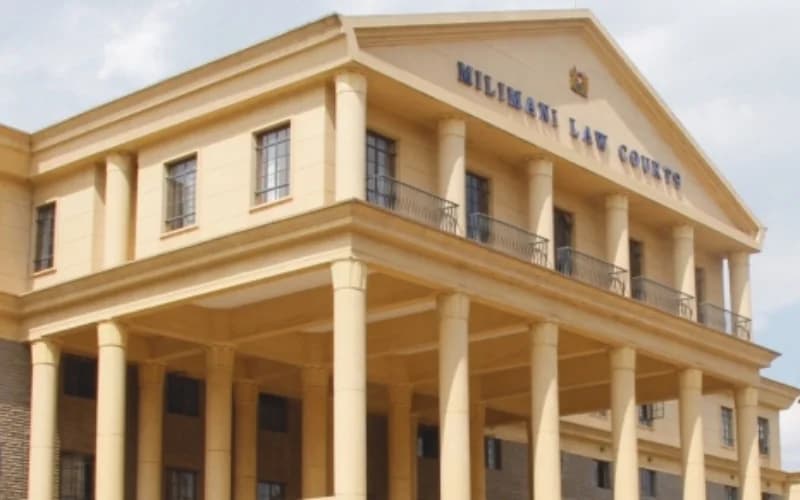
High Court rejects Nairobi lawyer’s bid to stop prosecution over Mirema building collapse

Justice Patricia Nyaundi dismisses a petition seeking to quash criminal proceedings against lawyer Edward Mwaura over the 2023 Mirema building collapse, ruling that the evidence must be tested at trial.
A Nairobi lawyer accused of violating building regulations following the collapse of a residential building in Mirema has failed to persuade the High Court to stop his prosecution, with the judge ruling that the evidence against him should be tested during the criminal trial.
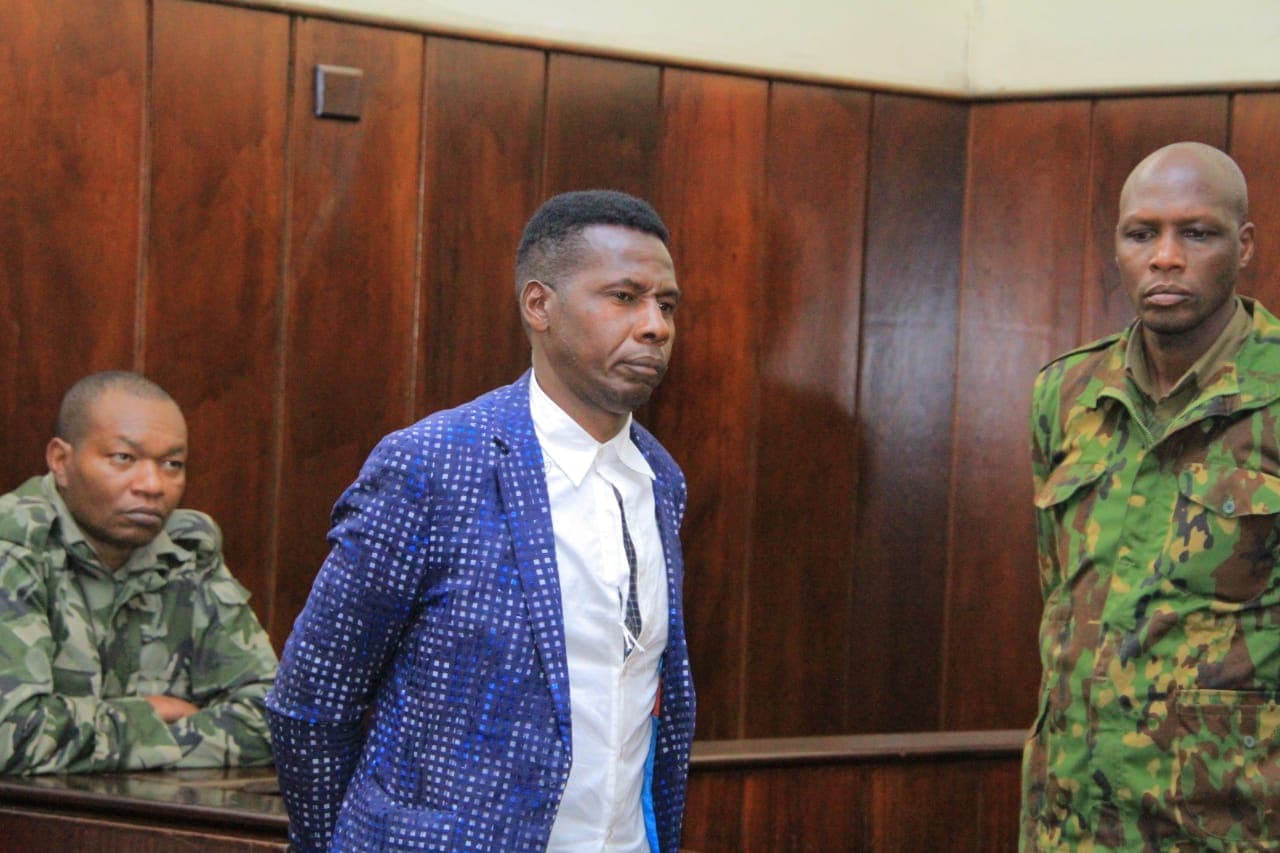
Justice Patricia Nyaundi dismissed a constitutional petition filed by lawyer Edward Mwaura and his client, Joseph Kambo, challenging their prosecution over the September 24, 2023, building collapse at Mirema Drive in Roysambu, Nairobi.
Mwaura argued that he was wrongfully arrested and charged despite visiting the construction site in his capacity as Kambo’s advocate.
More To Read
According to the petition, Kambo instructed the lawyer to visit the property a day after the collapse to establish whether the development complied with legal and statutory requirements.
Mwaura said he identified himself to county government officers as the property owner's advocate but was arrested and charged under Section 67(1), read with Section 67(3), of the Physical and Land Use Planning Act, 2019.
The petitioners maintained that no lives were lost in the incident and argued that the charges were directed at the wrong person because Mwaura was neither the property owner nor the developer.
Latest Stories
- Kenya backs UAE candidate Lana Nusseibeh in race for UN secretary-general
- Seven in 10 Kenyan women diagnosed with breast cancer at advanced stages, Kilifi official says
- Sh6.5 million renovation breathes new life into Fort Jesus Swahili library
- UN chief Guterres urges peaceful solution to Iran tensions, calls for safe passage through Hormuz
They further accused county officials of threatening to hold the lawyer personally responsible unless he produced Kambo or provided information that could lead to his arrest.
The two argued that the prosecution was intended to pressure Mwaura into disclosing information protected by advocate-client confidentiality.
They asked the court to quash the criminal proceedings, declare the arrest unlawful and award them Sh9 million in damages for unlawful arrest, malicious prosecution and exemplary damages.
However, Nairobi County disputed their account, maintaining that the approved plans allowed for a nine-storey apartment building but that the actual construction allegedly deviated from the approvals and breached county building regulations.
In an affidavit, county official Michael Lumadede Agoya said the site had been sealed off as a crime scene and claimed Mwaura entered without authorisation. The county maintained that he was arrested as Kambo’s agent and not simply because he was his advocate.
The Director of Public Prosecutions also opposed the petition, arguing that the petitioners had failed to produce ownership documents establishing that Kambo, rather than Mwaura, was the developer.
In dismissing the petition, Justice Nyaundi said the petitioners had adequately identified the constitutional rights they believed had been violated but had failed to establish sufficient grounds for the High Court to intervene.
“The question whether the evidence supports the charges, and ultimately whether the first petitioner (Mwaura) is guilty or innocent, falls squarely within the mandate of the trial court,” she said.
The judge cautioned against using constitutional proceedings to assess the strength of evidence before a criminal trial had taken place.
“It is not the role of this court, in the exercise of its constitutional jurisdiction, to evaluate the sufficiency of the evidence or pronounce itself on the viability of the charges. To do so would amount to usurping the function of the trial court,” she ruled.
Justice Nyaundi said the High Court could intervene where compelling evidence demonstrated an abuse of process or a violation of constitutional rights, but found no sufficient basis to halt the prosecution.

Comments
No comments yet. Be the first to share your thoughts.