
High Court suspends 0.8 per cent tea export levy pending legal challenge

The court also barred authorities from denying traders export or import permits solely on the grounds that they had not paid the disputed levy.
The High Court in Machakos has stopped the government from enforcing the 2026 Tea Levy Regulations, which introduce a 0.8 per cent charge on the auction value of tea at the export level, pending further court proceedings.
Justice Josephine Mongare issued the conservatory orders following a petition by the Mazingira Greens Party of Kenya, which argues that the levy could ultimately reduce earnings for small-scale tea farmers despite being imposed directly on exporters.
The court also barred authorities from denying traders export or import permits solely on the grounds that they had not paid the disputed levy.
The petition names the Tea Board of Kenya, the Cabinet Secretary for Agriculture and the Attorney General as respondents, with the Kenya Tea Development Agency (KTDA) listed as an interested party.
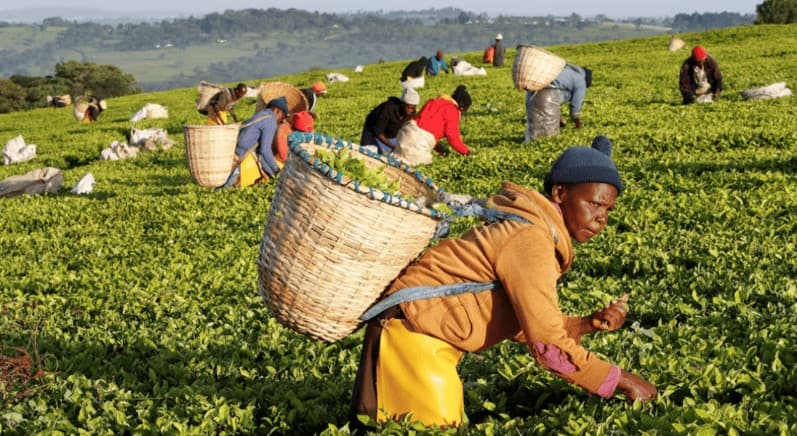
At the centre of the dispute is the potential impact of the new charge on farmers, who the petitioner fears could bear the financial burden through reduced payments for their tea.
Although the regulations target exporters, the party argues that companies could transfer the additional cost to producers, affecting the income of thousands of small-scale farmers who depend on tea farming for their livelihoods.
Latest Stories
- 𝐄𝐚𝐬𝐭𝐥𝐞𝐢𝐠𝐡 𝐕𝐨𝐢𝐜𝐞 𝐚𝐭 𝐍𝐢𝐧𝐞 - Kamukunji MP calls for speedier Eastleigh rescue operations
- Ethiopia calls for hydro-diplomacy as Egypt’s El-Sisi reiterates water security is a ‘red line’
- Kenya, Uganda sign four deals to boost cross-border tourism and trade
- UNESCO urges African creators to drive positive change
The petitioner has also questioned the legality of the process used to formulate the regulations, alleging that tea farmers were sidelined during public participation on amendments to the Tea Act and the accompanying rules.
It wants the court to examine whether the process met constitutional requirements for public participation and whether the resulting regulations adequately considered the interests of those directly affected by the tea industry’s policies.
The case further challenges the proposed use of revenue raised through the levy, particularly its allocation towards road infrastructure projects.
The party has questioned whether the financing arrangements ensure that large multinational tea companies make a fair contribution or whether local farmers could end up bearing a disproportionate share of the financial burden.
In its petition, the party raises constitutional concerns touching on property rights, freedom from discrimination, devolution, public finance and the authority to impose taxes.
The Ministry of Agriculture and the Tea Board of Kenya have defended the levy, maintaining that the 0.8 per cent charge is necessary to support international tea marketing initiatives, implement provisions of the Tea Act and help stabilise domestic tea prices in major international markets.
However, the petitioner wants the court to determine whether the regulations were lawfully developed and whether their implementation would violate constitutional safeguards.
Justice Mongare’s orders temporarily halt enforcement of the contested regulations as the court considers the issues raised in the petition.
The suspension is not a final ruling on the legality of the levy, and the court is yet to determine the constitutional questions raised by the party.
The matter will be mentioned on November 19, 2026, for directions and an inter partes hearing, when the parties are expected to present their respective positions.



Comments
No comments yet. Be the first to share your thoughts.