
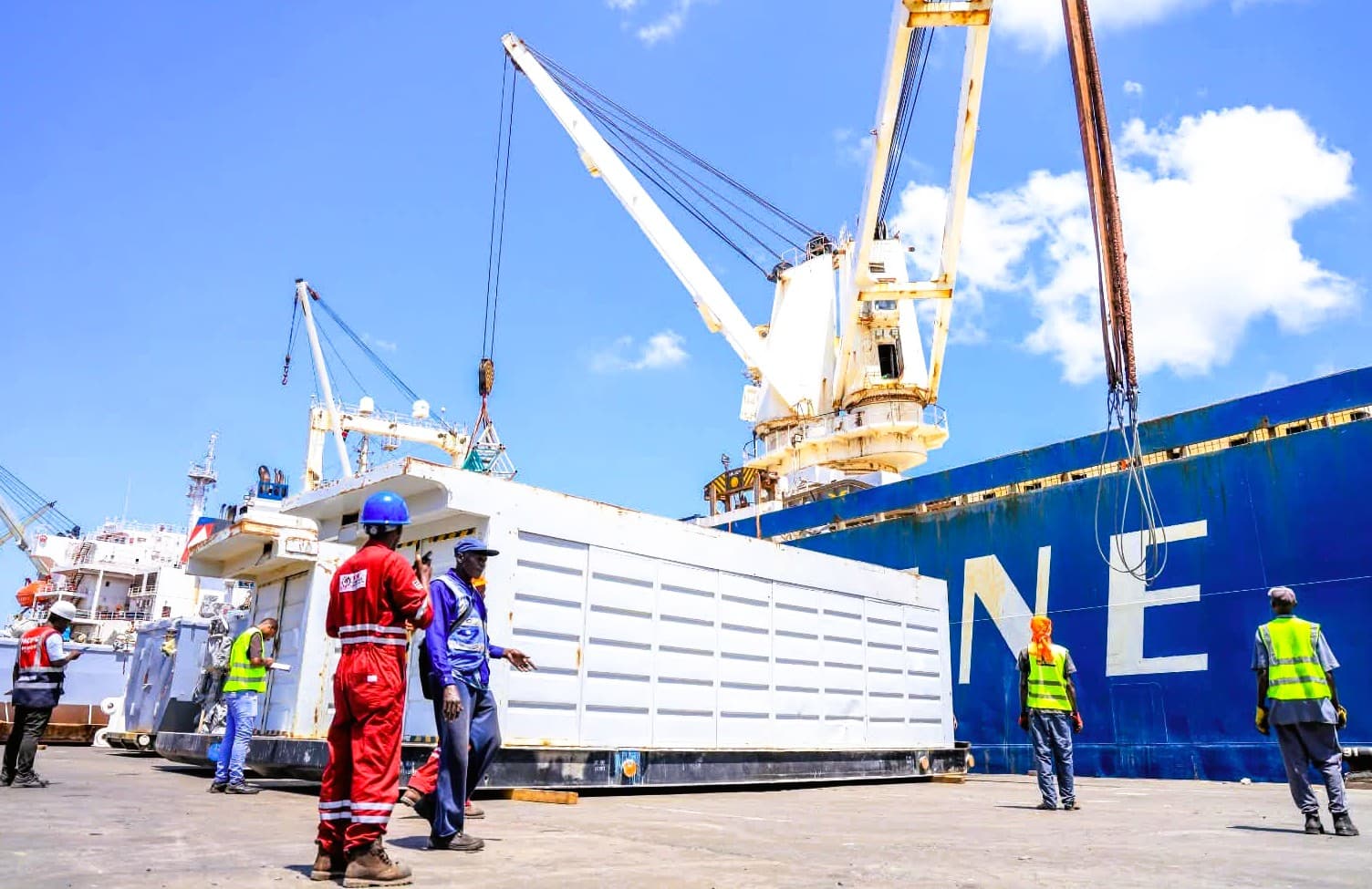
The Port of Mombasa has received delivery of massive onshore drilling equipment for oil production in Lokichar in Turkana County, reaffirming the port’s status as the gateway for energy and infrastructure investment in the region.
The 2,152-metric-tonne consignment came aboard the MV Transit Sedanka, having sailed from Abu Dhabi via Duqm Port in the sultanate of Oman.
Among the heavy equipment being discharged is the GW70 Integrated Onshore Drilling Riga 1,500-horsepower unit worth over Sh2 billion.
The Lokichar oil basin holds an estimated 326 million barrels of recoverable oil, and the project aims to be fully operational by December.
The Lokichar crude oil project has officially transitioned into its highly anticipated commercial development phase, targeting first oil production by December 2026.
The investments, totaling about USD 6.1 billion (Sh 791 billion), expected to run over 25 years, stand out as one of Kenya’s most significant energy undertakings.
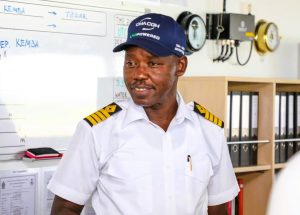
Kenya Ports Authority (KPA) Chief Executive Officer (CEO), Capt. William Ruto, said the arrival of the specialised cargo highlights the Port of Mombasa’s growing role in facilitating strategic national projects through the efficient handling of oversized and complex project cargo.
Capt. Ruto said once discharged and cleared, the equipment will be transported to Turkana County as part of the broader logistics chain supporting the development of Kenya’s petroleum infrastructure.
He said the milestone is expected to provide fresh momentum to the country’s oil development agenda while reaffirming the Port of Mombasa’s position as a key gateway for investments in the energy, infrastructure, and extractive sectors.
Ruto said KPA is determined to create a seamless transport chain linking rail, water, and road transport into one efficient logistics system.
The Port of Mombasa is the premier maritime gateway to East and Central Africa, serving as a critical trade lifeline that connects over 80 global ports to a vast landlocked hinterland.
The Port links international shipping lines to millions of people and acts as the starting point of the Northern Corridor, which links Kenya’s coast to Uganda, Rwanda, Burundi, the Democratic Republic of the Congo (DRC), and South Sudan.
The arrival of the onshore drilling rigs for Turkana oil wells comes in the backdrop of the Dangote’s Lamu oil refinery project, with nearly 3,000 metric tons of equipment arriving at the Lamu sea port.
The planned oil refinery in Lamu and the Turkana crude oil reserves are core anchors of the wider LAPSSET (Lamu Port-South Sudan-Ethiopia-Transport) corridor project.
The LAPSSET Corridor Program is a regional flagship project intended to provide transport and logistics infrastructure aimed at creating seamless connectivity between Kenya, Ethiopia, and South Sudan.
The project connects a population of 160 million people in the three countries, and additionally, the LAPSSET Corridor is part of the larger land bridge that will connect the East African coast from Lamu Port to the West coast of Africa at Douala Port in Cameroon.
This week also saw the arrival of 2,930 metric tons of heavy equipment at the Lamu deep seaport for the Dangote refinery project.
The Lamu oil project, valued at USD 15 billion (Sh2.6 trillion), a project to be jointly undertaken by the Kenyan government and Nigerian billionaire Aliko Dangote, aims to make the Lamu archipelago a major regional energy and logistics hub.
The Lamu refinery will process crude oil from Turkana and other African sources, potentially turning Lamu into a regional energy logistics center.
Capt. Ruto stated that the new refinery will process crude oil from Lokichar and other parts of East and Southern Africa and beyond before supplying refined petroleum products to regional markets.
Ruto said the ports in Mombasa, Lamu, and Kisumu seek to deepen trade, attract investment, improve connectivity, and strengthen the country’s maritime economy.
He assured shipping partners and customers that the Port of Lamu is fully prepared to handle current and future cargo volumes, with KPA committed to efficient vessel turnaround, seamless cargo operations, and customer-focused services that meet international standards.
The KPA CEO said the Lamu Port will play a central role through supporting marine operations and handling petroleum tankers, thereby boosting the port’s operations.
President William Ruto is on September 30, 2026, expected to break ground for the Lamu oil refinery, which, once completed, would become East and Central Africa’s largest refinery, capable of processing up to 700,000 barrels of crude oil per day.
Players in the oil industry contend that the Lamu refinery project will in the long run help reduce East Africa’s dependence on imported fuel and cut down costs.
By Hussein Abdullahi

Comments
No comments yet. Be the first to share your thoughts.