

At least 518 people died in Tanzania after the unrest that followed last year’s general elections, a government‑appointed commission of inquiry has reported.
Presenting the findings of an inquiry on Thursday, April 23, commission chair Mohamed Chande Othman said the inquiry had not established who was responsible for the deaths and recommended further investigations.
However, opposition parties and human rights organizations have accused security forces of using excessive force against people protesting the election outcome.
Disputed Tanzania Election Outcome and the Government’s Response
President Samia Suluhu Hassan was declared the winner of the October 29 election with 98% of the votes, a result the opposition rejected, saying it reflected deep flaws in the electoral process.
Opposition leaders described the outcome as a setback for democratic governance and pointed to restrictions on campaigning, arrests of activists, and limits on public gatherings ahead of the poll.
President Samia defended the election, insisting it was free and transparent and reflected the will of the people.
Samia dismissed claims of state‑sponsored repression and argued that the unrest was not a legitimate political protest.
The President has also blamed foreign actors for stirring up violence, saying the disturbances were part of an attempt to destabilize the country and remove her from office.
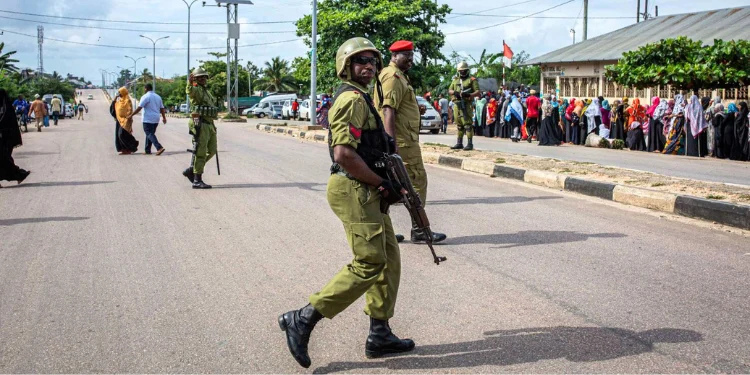
The government has maintained that security agencies acted to preserve public order and national stability.
Othman said the inquiry found that 490 of those who died were men, showing the scale and intensity of the confrontations that followed the election.
Inquiry Cites Longstanding Pressures Behind the Violence
The commission pointed to a mix of economic, political, and social pressures as drivers of the violence. These included demands for political change, unemployment, and what the report labeled a lack of patriotism.
It said politicians and activists took advantage of these grievances to mobilize people to join protests. The commission added that the demonstrations did not meet the legal standards for peaceful or lawful assembly and therefore were not entitled to legal protection.
The violence, Othman said, stemmed from several factors, some of which have existed for years alongside more immediate triggers.
“We are dealing with problems that have built up over a long period as well as sudden events that set off tensions on the ground,” he said while releasing the report.
Opposition groups have criticized the nine-member commission, which was appointed by President Samia, arguing that it lacked the independence needed to examine the violence fairly.
The commission began its work on November 20, 2025. Its mandate included identifying the causes of the unrest, those involved and their motives, assessing the impact of the events, and reviewing how authorities responded, before making recommendations.
It gathered testimony from across Tanzania, hearing from ordinary citizens, victims, political leaders, and security agencies. Some sessions were conducted in private.


Comments
No comments yet. Be the first to share your thoughts.