
Rabai elders warn of cultural extinction as sacred Kaya forests in Kilifi face destruction

Elders warn that destruction of ancestral sites and indigenous trees threatens traditional medicine, cultural identity and generations of Mijikenda heritage.
Rabai elders in Kilifi County have raised alarm over the destruction of sacred Kaya forests, warning that illegal logging and alleged land grabbing threaten the community’s cultural heritage, ancestral sites and indigenous trees used in traditional medicine.
The elders say continued destruction of the forests risks wiping out cultural practices, beliefs and traditional knowledge passed down through generations, renewing calls for stronger protection of the community’s heritage and ancestral land.
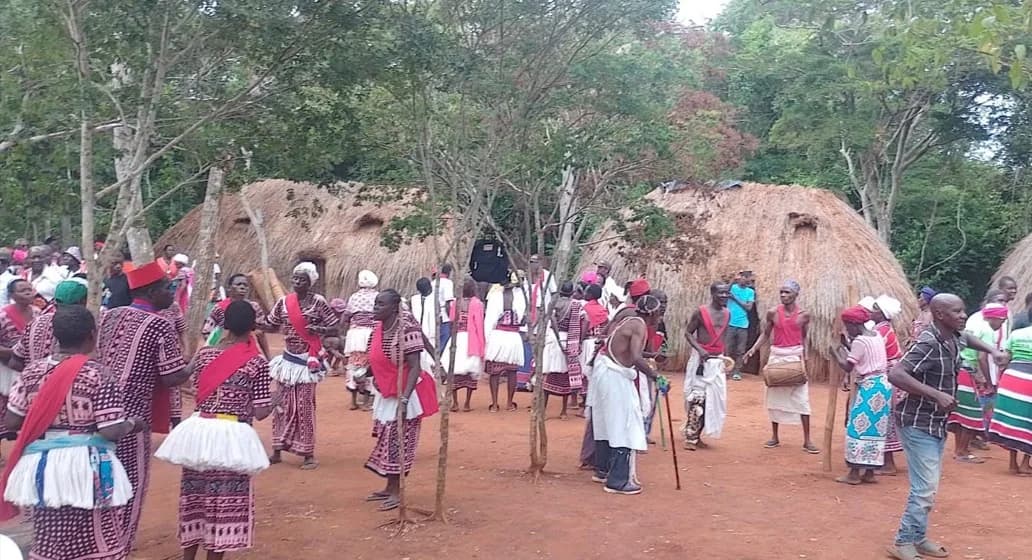
Speaking during the Rabai New Year celebrations, Mijikenda Kaya elders chairman Daniel Garero said the annual gathering provided an opportunity to reconnect younger generations with their roots and remind residents of their responsibility to safeguard their cultural identity.
Garero expressed concern over the destruction of Kaya forests and alleged grabbing of sacred sites, warning that losing these ancestral places would weaken the community’s cultural identity.
He said the Rabai New Year, traditionally celebrated in October, brings residents together to give thanks, pray for the year ahead and celebrate their shared history.
Kilifi Deputy Governor Flora Chibule urged the Rabai community and other Mijikenda groups to preserve their traditions and protect indigenous trees, saying the forests hold valuable knowledge that could benefit future generations.
Latest Stories
- GSU officers seek more funds as they face poor housing, unpaid allowances
- Nigeria probe finds officers' negligence led to death of 33 detainees, including 14 minors
- ILO: Over 83 per cent of domestic workers globally still in informal jobs
- Allied Democratic Forces fund operations in eastern DRC through gold smuggling, kidnappings - report
Chibule noted that growing interest in traditional remedies made conserving indigenous plants particularly important, warning that their destruction could result in the loss of valuable natural resources.
She also highlighted Rabai’s contribution to Kenya’s history, noting that the community hosted missionary Dr Ludwig Krapf, whose work contributed to the spread of Christianity and formal education in the region.
Land ownership and security also featured prominently during the celebrations, with Kilifi County Executive Committee Member for Lands and Physical Planning Jane Kamto urging residents to obtain title deeds to protect their property.
Kamto said some residents still relied on traditional methods of identifying land boundaries, including using burial sites as markers, despite the importance of formal land documentation.
She encouraged residents to embrace legal land registration, saying title deeds provide formal proof of ownership and help protect property against disputes.
The calls for secure land ownership come amid growing concerns over the protection of Kaya forests, which hold deep cultural and historical significance for Mijikenda communities.
Kilifi Chief Officer for Culture, Heritage and Wildlife Tourism Herbert Mwachiro said the annual Rabai festival, which began in 2013, was established to preserve the community’s history and pass its traditions on to younger generations.
He noted that Rabai was home to some of the region’s earliest Christian and educational institutions, including what is recognised as the first church in East Africa and an early school.
Mwachiro said safeguarding the community’s heritage required sustained efforts to keep its traditions alive.
Kilifi County Chief of Staff Caroline Kalume Cheupe also called on residents to unite in protecting their culture and environment, urging them to stop cutting trees that sustain the Kaya forests.
Beyond discussions on heritage and conservation, the celebrations offered local traders an opportunity to showcase traditional products, crafts and clothing.
Pauline Mapenzi, a Rabai resident who makes cultural decorations and attire, said the festival helped introduce younger generations to customs they might otherwise grow up unfamiliar with.
She showcased traditional items, including gourds, coconut products, beads and cultural attire, saying such products played an important role in preserving the community’s identity and passing its heritage to future generations.
Mapenzi expressed concern that some young people were becoming increasingly disconnected from Rabai traditions, adding that community events such as the annual festival could help bridge the gap between older and younger generations.



Comments
No comments yet. Be the first to share your thoughts.