
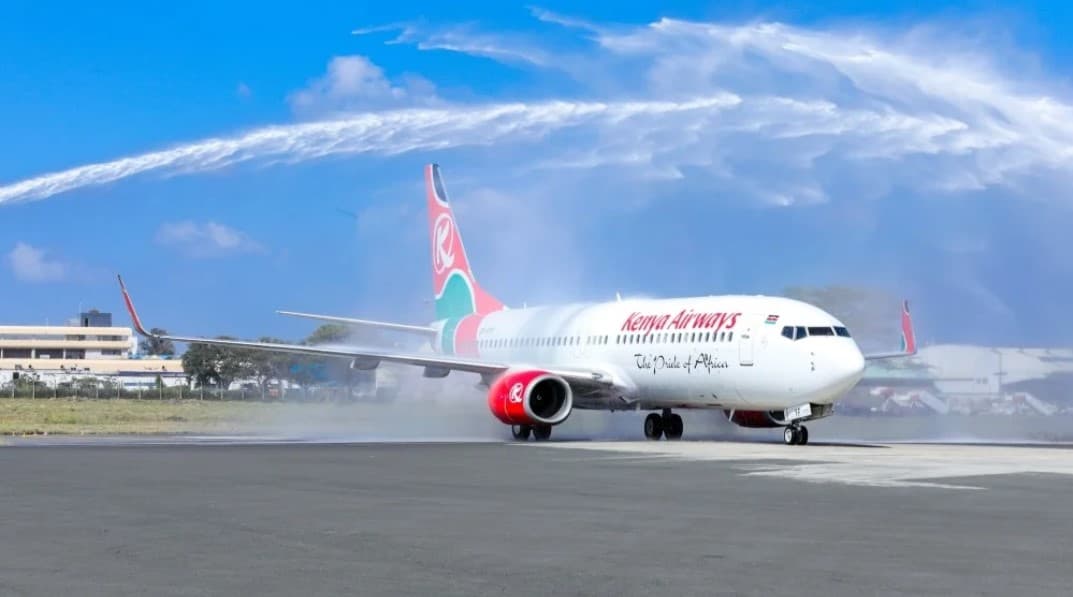
An alarming dispatch in Forbes reports that, with jet-fuel prices soaring and no end in sight to the war in Iran, some aviation soothsayers expect fuel to hit USD 225 a barrel. So dire is the outlook, they whisper, that airlines may yet need a government bailout. Meanwhile, the ever-prudent Canadians have already slipped USD 350 million to their second-tier carriers, just in case crude does hit USD 200 or 225.
In Kenya, the merest mention of an aviation bailout triggers paroxysms of irrational fury. This is because a sizable portion of the commentariat remains constitutionally incapable of grasping that a national carrier’s worth is not to be found in a balance sheet. For their edification, the following, then, are five reasons why bailing out airlines is a strategic necessity; for the benefit of those who still think an airline should be judged like a kiosk.
1. Thin margins
Airlines operate on margins so thin they would embarrass a charity. Ferocious competition has driven ticket prices into a race to the bottom. This year, the global industry is expected to scrap a net margin of 2 per cent. In Africa, it is 0.2 per cent: a princely 40 American cents, or KSH 52 per passenger. Hardly the stuff of robber-baron capitalism.
2. High fixed costs
Aircraft, unlike Matatus, do not stop costing money when parked. Leases, parking fees, wages and maintenance continue to tick over while revenue does not. An aeroplane left idle does not simply rest; it corrodes, degrades and forgets how to be airworthy and must be tended at great expense lest it become a very large, very expensive garden ornament.
Kenya Airways vs Kenya Airports Authority: Understanding two pillars of Kenyan aviation.
3. National infrastructure
Like roads and railways, flag carriers are infrastructure, not mere business. In the belly of a Kenya Airways jet are the country’s exports: cut flowers, fresh fruit and vegetables, seafood, chilled meat and other perishables bound for Europe and the Middle East. On the return leg come pharmaceuticals and e-commerce parcels. KQ accounts for 60 per cent of traffic into Jomo Kenyatta International Airport, the country’s front door. Lose the airline, lose the door.
4. Jobs
Aviation sustains an ecosystem of employment. Kenya Airways directly employs 5,000 people, another 16,000 indirectly and close to half a million in ancillary industries that orbit around it. To put it in terms even the most ardent critics might grasp: if KQ were a restaurant, it would be the largest in the country, serving over 20,000 meals a day.
5. External shocks
When catastrophe strikes, 9/11, a pandemic, a war that sends fuel prices into orbit, demand collapses in a way no private balance sheet can absorb. After September 11th 2001, the American government, the temple of free market orthodoxy, wrote a USD 15 billion cheque to its airlines: USD 5 billion in outright grants to cover the losses from a three-day grounding. After COVID-19, Emirates received USD 4 billion. Singapore Airlines got USD 19 billion. American carriers collectively received USD 56 billion.
In conclusion
Kenya Airways, like its peers, has received support over the years. Unlike many of them, however, its support has not come as grants but as shareholder loans, repayable with interest. While a durable solution is sought to allow the national carrier to operate on something resembling a level playing field, perhaps its detractors could cut it some slack, and be rather more charitable the next time it needs a shot in the arm to stay aloft.



Comments
No comments yet. Be the first to share your thoughts.