
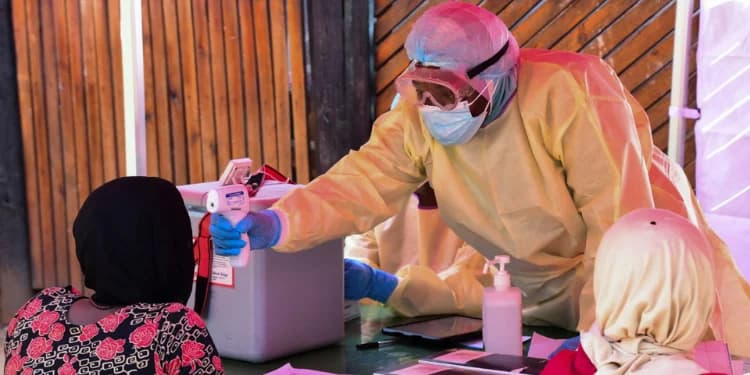
Ebola patients can survive the disease when they receive early and intensive medical care, with treatment focusing on rehydration, managing symptoms, and preventing or treating complications.
Ebola disease is caused by viruses in the Orthoebolavirus genus, which belongs to the Filoviridae family.
According to the World Health Organization (WHO), three viruses are known to have caused large Ebola disease outbreaks: Ebola virus, Sudan virus and Bundibugyo virus.
The diseases they cause are known, respectively, as Ebola virus disease, Sudan virus disease, and Bundibugyo virus disease.
The first recognized Ebola disease outbreaks occurred in 1976 in what are now South Sudan and the Democratic Republic of Congo. The disease takes its name from the Ebola River near Yambuku in the DRC, where one of the first outbreaks was recorded.
Ebola Diseases and How They Are Treated
Ebola is considered a zoonotic disease, meaning it can move from animals to humans.
WHO says fruit bats are thought to be natural hosts of the virus, although the exact animal reservoir has not been conclusively established.
According to the WHO, early intensive supportive care improves survival among people with Ebola disease.
Supportive treatment can include replacing fluids lost through vomiting and diarrhoea, managing pain and other symptoms, providing nutritional support and treating complications as they develop.
For patients with Ebola virus disease, specific medicines also target the virus.
WHO recommends two monoclonal antibody treatments for Ebola virus disease — mAb114, also known as ansuvimab, and REGN-EB3, sold as Inmazeb.
However, these medicines are not approved treatments for every type of Ebola disease.
WHO says no specific therapeutics are currently approved for Sudan virus disease or Bundibugyo virus disease, although candidate treatments are under development.
Doctors treating a patient with one of these infections focus heavily on keeping the patient stable, correcting dehydration, managing complications and monitoring the body’s vital functions.
In its latest guidance, WHO recommends rapid recognition of dehydration and the use of oral or intravenous fluids where necessary.
It also recommends prompt treatment of shock and appropriate treatment for bacterial infections, including sepsis.
Why Early Treatment Matters
Ebola can become severe quickly, making early medical attention important.
WHO says early care can improve survival and help break the chain of transmission within families and communities. Patients who test positive require care at a designated treatment centre rather than being managed at home.
The disease can initially resemble other illnesses, including malaria, typhoid fever, meningitis and other viral haemorrhagic fevers. Laboratory testing is therefore important in confirming an infection.
The incubation period can range from two to 21 days. Symptoms may begin with fever, fatigue, muscle pain, headache and sore throat before progressing to vomiting, diarrhoea, abdominal pain and other complications.
What Happens after an Ebola Patient is Admitted?
Once a patient suspected of having Ebola reaches a health facility, infection prevention becomes a major part of the response.
Patients are placed in designated isolation areas to reduce the risk of transmission to other patients, relatives and health workers.
Medical teams use protective equipment and follow strict infection-prevention procedures when dealing with the patient’s blood and other body fluids.
WHO says health workers caring for suspected or confirmed Ebola patients should take additional precautions to prevent contact with blood, body fluids and contaminated materials such as clothing and bedding.
The patient can then receive intensive monitoring and treatment while laboratory teams work to confirm the infection and doctors manage symptoms and complications.
Survival Chances and Recovery
Although Ebola remains a severe and potentially fatal disease, survival is possible, particularly when patients receive appropriate care early.
WHO estimates that the average case fatality rate for Ebola disease is around 50%, although rates recorded during previous outbreaks have ranged from 25% to 90%.
The outcome can therefore vary considerably between outbreaks and patients.
WHO’s recent guidance stresses that high-quality supportive care is central to improving outcomes, particularly for Ebola diseases for which no specific approved treatment currently exists.
Recovery from Ebola does not necessarily mean the end of medical follow-up.
WHO says some survivors can experience physical and psychological effects after the illness. The virus can also persist in certain immune-privileged parts of the body in some survivors, although relapse without reinfection is rare.
WHO recommends survivor-care programmes that can include medical follow-up, counselling, support for reintegration into the community and appropriate biological testing.
How Does Ebola Spread?
Ebola does not spread simply because people are in the same room or because an infected person has travelled on a plane.
The main risk comes from direct contact with the blood or other body fluids of an infected person, particularly once that person has developed symptoms.
A person can become infected when infected fluids enter the body through broken skin or mucous membranes such as the eyes, nose or mouth.
Body fluids that can transmit the virus include blood, vomit, faeces, sweat and saliva.
Ebola can also spread through contact with objects and surfaces contaminated with the body fluids of an infected person, including clothing, bedding and other materials.
This is one reason health workers caring for Ebola patients have historically been among those at greatest risk when infection-prevention measures are not followed.
The disease can also spread through contact with the body of someone who has died from Ebola.
Follow our WhatsApp Channel and X Account for real-time news updates.


Comments
No comments yet. Be the first to share your thoughts.