
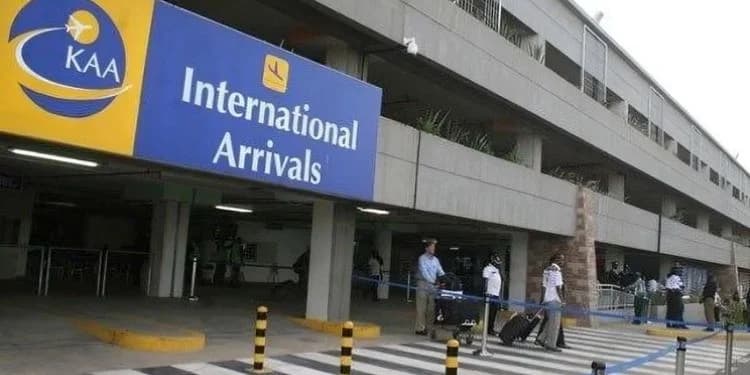
Passengers arriving at Jomo Kenyatta International Airport (JKIA) go through several steps before leaving the airport, including disembarkation, immigration, baggage collection, customs clearance, and transport arrangements.
According to JKIA Airport, an independent passenger-information website, arriving passengers may leave the aircraft through an air bridge or take a bus to the terminal.
Once inside, they are directed to the immigration hall for passport and entry checks.
Passengers then proceed to the baggage reclaim area to collect their luggage before going through customs.
How Visitors Can Navigate JKIA
The JKIA independent website also states that passengers with nothing to declare can use the Green Channel, while passengers carrying goods that require declaration should use the appropriate customs channel.
“The green channel is for passengers with nothing to declare. The red channel is for those with goods to declare, including items above duty-free limits, commercial goods, or restricted items,” reads part of the statement.
After clearing customs, passengers enter the public arrivals area, where they can access services such as mobile network booths, ATMs and foreign exchange counters.
Travellers who have arranged airport transfers can also meet their drivers or hotel representatives at the designated pickup areas.
After Customs Clearance
According to the Kenyan Drivers Association, once passengers complete customs clearance, they enter the public arrivals hall, where they meet a contact person, drivers holding passenger name boards, and hotel representatives waiting for guests.
The arrivals area also has currency exchange counters, mobile network kiosks, taxi operators and other transport services. For many visitors, this is their first interaction with Nairobi after leaving the controlled airport environment.
Passengers can purchase and register Kenyan SIM cards from mobile network providers such as Safaricom, Airtel Kenya and Telkom Kenya.
The Association also noted that passengers can also access foreign exchange bureaus, ATMs and banking services within the airport. These facilities allow travellers to exchange major currencies, including US Dollars, Euros and British Pounds, for Kenyan Shillings.
Travellers are advised to exchange only the amount they need at the airport if they intend to seek other exchange services in the city.
After completing the arrival process, passengers proceed to the designated pickup areas outside the terminal. Those who have arranged transport in advance can meet their drivers or hotel representatives at the designated points.
Passengers without prior arrangements can use available taxis and other authorized transport services.
Understanding JKIA Terminals
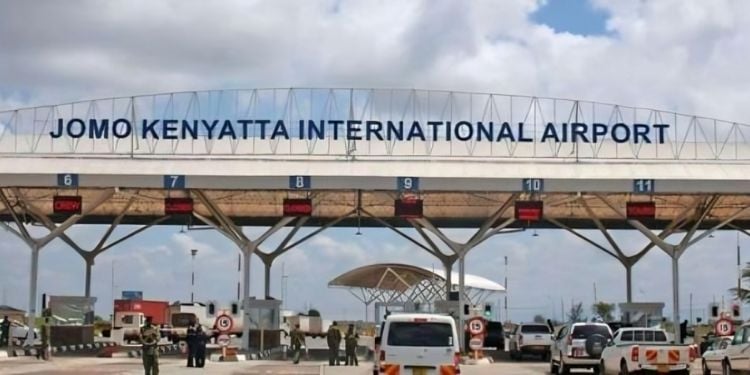
Jomo Kenyatta International Airport (JKIA) has two primary terminal structures divided into several sections that handle domestic, regional, and international flights.
Terminal 1 is a semi-circular main building with different sections serving specific types of air traffic.
- Terminal 1A mainly handles international arrivals and departures for Kenya Airways and its SkyTeam alliance partners.
- Terminal 1B serves international and regional departures operated by other local and international airlines.
- Terminal 1D serves domestic arrivals and departures within Kenya, including flights to destinations such as Mombasa and Kisumu.
- Terminal 1E is dedicated to international arrivals, where passengers clear immigration and customs.
- Terminal 2 is a separate terminal located about 900 metres from the main terminal complex. It mainly serves low-cost carriers, regional airlines and charter flights.
Follow our and X Account for real-time news updates.


Comments
No comments yet. Be the first to share your thoughts.