
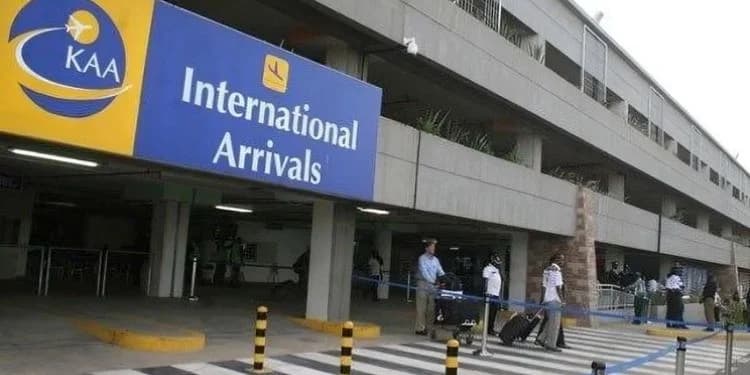
Kenya’s first imported Ebola case was detected after a Kenyan citizen who had been living in the Democratic Republic of Congo (DRC) for seven years travelled by road from the DRC to Kampala before flying into Nairobi.
The Ministry of Health said on October 6 the patient had fallen ill about a month before travelling to Kenya and had received treatment at several hospitals in the DRC.
Cabinet Secretary Aden Duale recounted that the patient travelled by road from the DRC to Kampala before boarding Jambojet flight number 85-23 to Nairobi. He arrived at Jomo Kenyatta International Airport (JKIA) on Saturday, October 3, at 1:10 p.m.
Upon arrival, the patient underwent the normal public health screening conducted by Port Health officials at JKIA and was cleared. He subsequently passed through the immigration desk before leaving the airport.
Ebola Patient Passed JKIA Screening
The patient was then picked up from JKIA by a relative and a friend and transported directly to Nairobi Hospital in a Toyota Fielder registration number KDG 699Z.
“He traveled from DRC to Kampala by road, then boarded Jambo Jet flight number 85-23 and arrived in Nairobi Saturday 3rd October 2023 at 1:10 p.m. He underwent the normal public health screening at the port health at JKIA, he passed through the immigration desk, and he was transported by a relative and a friend directly from JKIA using motor vehicle KDG 699Z, Toyota Fielder, to Nairobi Hospital,” Duale said.
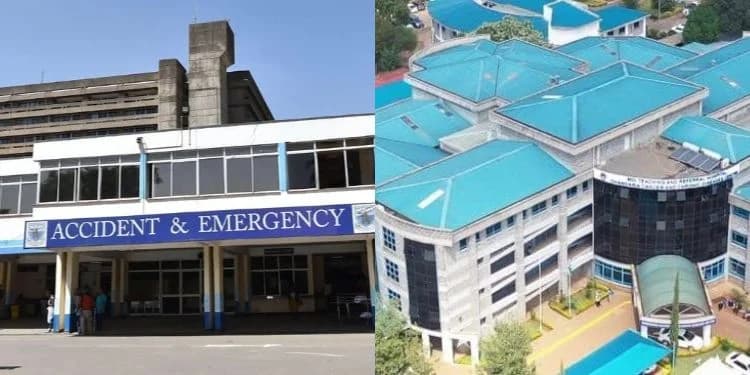
He was admitted to the hospital after presenting with symptoms that included bleeding and was quickly isolated in a separate room within the Accident and Emergency area.
He was later transferred to the hospital’s East Wing Isolation Facility, established during the COVID-19 pandemic and equipped with intensive care and high-dependency units, as well as more than 145 beds.
The patient was placed under supportive treatment as health officials intensified efforts to manage the case and prevent further transmission.
However, the patient died at the hospital at about 11:30 p.m., according to Health Cabinet Secretary Duale.
But How Was Screening Supposed to Be at JKIA?
On May 30, the government designated Gate 16 at Jomo Kenyatta International Airport (JKIA) for enhanced screening of passengers arriving from countries affected by Ebola and other infectious disease outbreaks.
Public Health Principal Secretary Mary Muthoni said the special gate was part of measures to strengthen surveillance and prevent the importation of infectious diseases into Kenya.
Under the screening procedure, passengers arriving from high-risk countries were to be directed through Gate 16, where port health officials would conduct enhanced health screening and surveillance.
Travellers were also required to complete online self-declaration forms providing details of their travel history and health status.
Requirements Needed for Suspected Cases
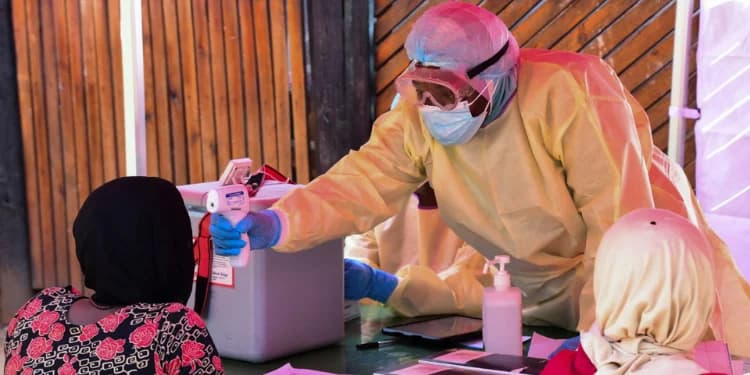
Thermal scanners were deployed to help identify passengers with elevated temperatures, while additional isolation facilities were established at the designated gate for travellers suspected of having symptoms.
Airlines were required to notify port health officials before landing if a passenger became ill or was suspected to have an infectious disease during a flight.
Upon arrival, suspected cases were to be taken to the airport clinic for medical assessment. Passengers requiring specialized care would then be referred to Kenyatta National Hospital for further evaluation and treatment.
The government had also expanded mandatory screening to passengers arriving from 10 neighbouring countries, while additional isolation points were established to support the rapid assessment and management of suspected cases.
Follow our and X Account for real-time news updates.


Comments
No comments yet. Be the first to share your thoughts.