

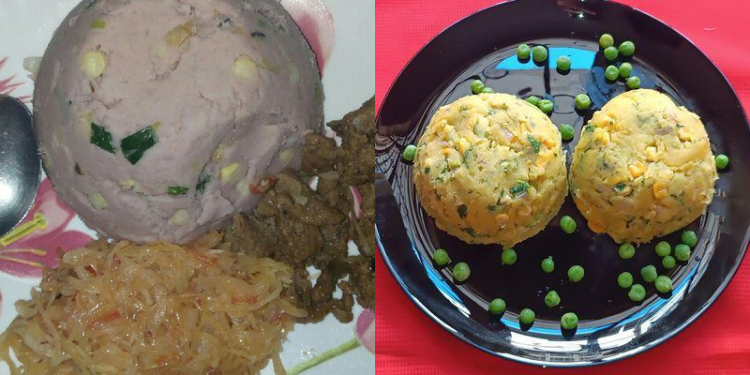
Mukimo is one of those Kenyan dishes I never get tired of making because it is simple, filling, and versatile, and I can easily change the ingredients depending on what I have in the kitchen.
Traditionally, people make mukimo by mashing potatoes with vegetables, maize, and sometimes peas. The result is a meal that works just as well for a family lunch as it does for a special occasion.
What I particularly enjoy about mukimo is that you don’t have to stick to one recipe because, over time, I have tried different combinations, from the traditional green mukimo to versions made with sweet potatoes and arrowroots.
Here is how I make my favourite versions of mukimo at home.
Ingredients for Mukimo
For four to six servings, you will need:
- 1 kg potatoes
- 2 cups fresh maize
- 2 cups pumpkin leaves, spinach, or other leafy greens
- 1 cup green peas
- 1 medium onion
- 2 tablespoons cooking oil or butter
- Salt to taste
- Water for boiling
How to Make Mukimo at Home
Peel and wash the potatoes, then cut them into medium-sized pieces.
Place them in a sufuria, add enough water to cover them, and season with salt. Bring to a boil and cook until they begin to soften. Use a large sufuria to leave room for mashing.
Once the potatoes have started cooking, add the fresh maize and green peas.
Cook until the potatoes are completely tender. The maize adds a mild sweetness, while the peas give the mukimo extra texture.
Wash and chop the pumpkin leaves before adding them to the pot, and cook the vegetables for a few minutes, until tender.
While the potatoes and vegetables are cooking, heat the cooking oil or butter in a separate pan.
Add the chopped onion and fry until it becomes soft and lightly golden.
I find that this simple step makes a difference to the final flavour. For a richer taste, you can also add a little butter.
Once the potatoes, maize, peas and greens are fully cooked, drain most of the excess water.
Add the fried onions and mash everything together while still hot.
I prefer mukimo with some texture, so I avoid mashing it until it’s completely smooth.
Taste and adjust the salt as needed, then serve the mukimo hot with your preferred accompaniment.
At home, I particularly enjoy it with beef stew, goat meat, chicken, or nyama choma. It also works well with vegetables or a simple tomato-based stew.
Popular Mukimo Variations
Green Mukimo
Green mukimo is one of my favourites, particularly when plenty of pumpkin leaves are used.
The leaves give the dish its green color and add a vegetable flavour and for a greener and better result, the vegetables should be cooked just until tender before mashing.
Pea Mukimo
The peas can be boiled together with the potatoes and maize before everything is mashed. Don’t overcook them, especially if you want some peas to remain whole.
Sweet Potato Mukimo
Sweet potatoes can replace part of the regular potatoes to create a naturally sweeter version.
I like this variation when I want something slightly different from the traditional recipe.
Arrowroot Mukimo
Arrowroots, commonly known as nduma, can also be combined with potatoes.
Boil the arrowroots until tender, then mash them with the potatoes and other ingredients. They give the mukimo a denser consistency and an earthy flavour.
Spinach Mukimo
Wash and chop the spinach before adding it toward the end of cooking. This helps it retain some of its color and flavour.
For me, this is a convenient version because spinach is readily available in the markets and supermarkets.
Maize-Heavy Mukimo
For people who enjoy the flavour of maize, increasing the amount used in the recipe creates a sweeter and more textured mukimo, and the maize remains noticeable after mashing.
Tips for Making the Best Mukimo
- Use starchy potatoes for a soft and fluffy mash.
- Fresh maize gives the best flavour and texture.
- Avoid draining all the cooking water because a little moisture helps keep the mukimo creamy.
- Mash the ingredients while they are still hot.
- Fry the onions separately to bring out their flavour.
- Avoid overcooking the greens so they retain their colour and taste.
- Leave some maize and peas whole if you prefer a textured mukimo.
Nutritional Benefits of Mukimo
One of the reasons I enjoy making mukimo is that several ingredients can be combined in one meal.
Potatoes provide carbohydrates and potassium, while leafy vegetables such as pumpkin leaves and spinach contribute nutrients including iron, vitamin A, and folate. Maize provides carbohydrates and fibre, while green peas add plant-based protein and fibre.
According to Kenya’s National Guidelines for Healthy Diets and Physical Activity, healthy meals should include a variety of foods from different food groups, including starchy foods, green leafy vegetables and legumes such as peas and beans. Mukimo brings many of these food groups together in a single dish.
The nutritional content depends on the ingredients and quantities used, but combining potatoes with vegetables, maize and peas makes mukimo a filling meal that provides energy, fibre and a range of essential nutrients.
Frequently Asked Questions
Can I Freeze Mukimo?
Yes. Allow the mukimo to cool completely before transferring it to an airtight container. You can freeze it for up to three months.
Can I Make Mukimo Without Maize?
Absolutely. Maize is not essential if you prefer a simpler version.
When I don’t want maize, I make mukimo with potatoes and leafy vegetables, adding peas if desired.
Which Greens Are Best for Mukimo?
Pumpkin leaves are my first choice because they give mukimo the rich green colour and flavour I enjoy most.
However, you can also use spinach, terere, and managu. The choice largely comes down to availability and personal preference.
Follow our and X Account for real-time news updates.


Comments
No comments yet. Be the first to share your thoughts.