
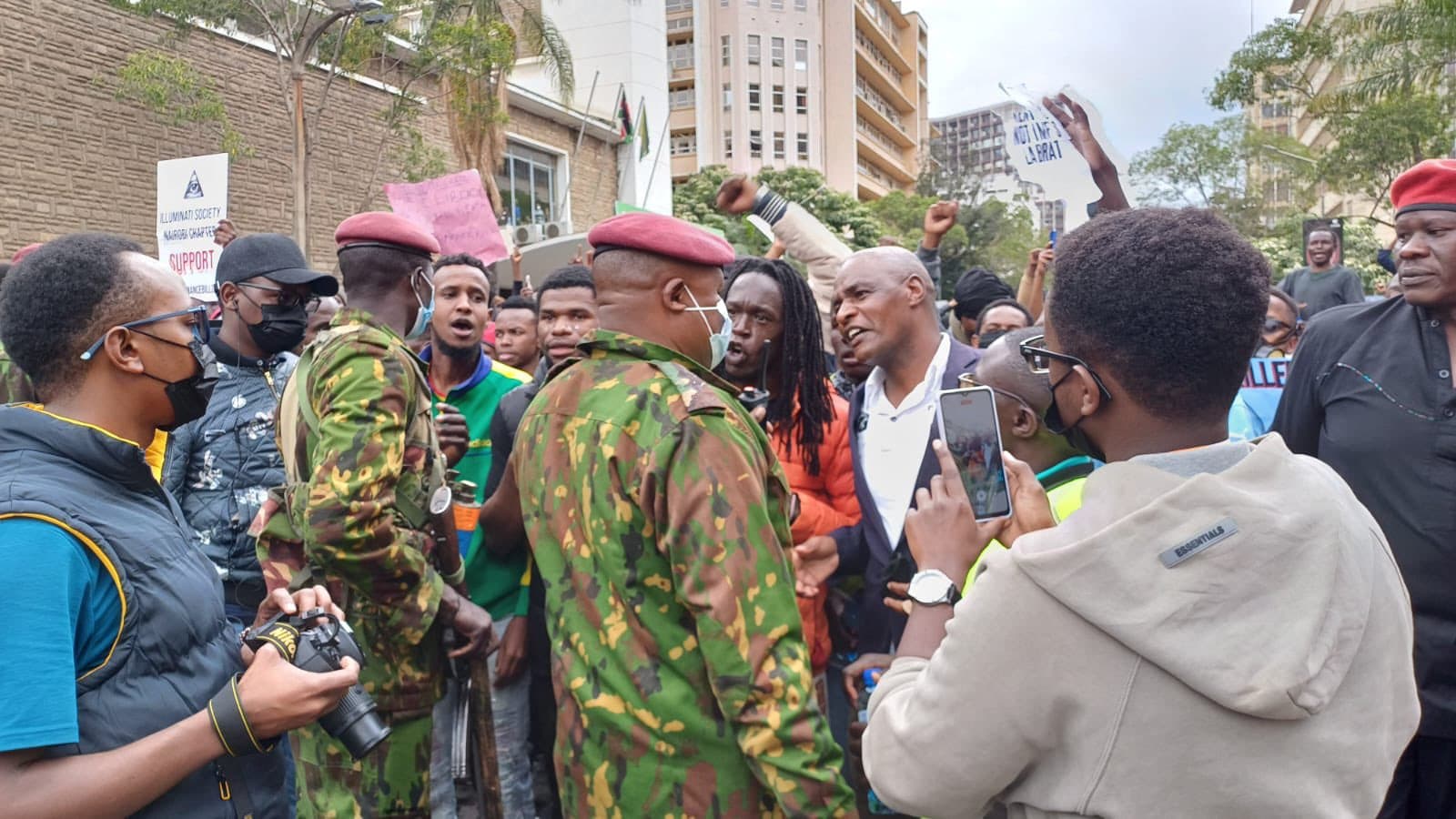
The wave of youth-led demonstrations across Kenya between 2023 and 2025 marked a watershed moment in the nation’s democratic trajectory. Driven by severe economic pressures and a refusal to accept systemic governance failures, a tech-savvy generation mobilized to demand fiscal accountability, equitable tax reform, and anti-corruption measures.
However, a comprehensive investigation by Amnesty International, titled Human Rights Under Siege: Unpacking Authoritarian Practices in an Era of Economic Pressure Amid Youth-Led Protests in Kenya, reveals how the state responded with a systematic shift toward authoritarian repression. Drawing on 102 field interviews with victims, families, journalists, and legal experts, the report details how security agencies turned to unlawful surveillance, abductions, and legal intimidation to quell civic dissent.
Kenya’s ongoing crisis is rooted in deep fiscal strain. While national headline GDP figures indicated growth, the reality for average citizens, particularly young people entering an unforgiving job market, was defined by rising living costs, regressive taxation, and shrinking real wages.
A central driver of public anger was the structural conflict between external debt obligations and public welfare:
- Crushing Debt Burden: In the 2024/25 fiscal year alone, debt servicing consumed 52.1% of Kenya’s total national budget, crowding out essential public investment in healthcare, education, and social safety nets.
- Regressive Taxation: To balance budgets and fulfill foreign debt obligations, state policy heavily shifted the tax burden onto lower- and middle-income households.
Rather than organizing through traditional political parties, Gen Z and youth activists mobilized horizontally. Leveraging digital platforms, they organized decentralized, peaceful demonstrations to demand a human-rights-centered approach to budget decisions and immediate relief from rising living costs.
Instead of addressing the underlying economic grievances, state security machinery instituted a widespread crackdown aimed at deterring citizens from exercising their rights under Article 37 of the Kenyan Constitution (Assembly, Demonstration, Picketing, and Petition).
Beyond public police crackdowns during street protests, the state increasingly deployed covert methods to neutralize organizers:
- Targeted Digital and Physical Surveillance: Security agencies monitored online messaging networks, conducted phone taps, tracked mobile device locations, and placed activists’ residences under physical surveillance.
- Arbitrary Arrests and Enforced Disappearances: Organizers, social media influencers, and community leaders were subjected to extrajudicial arrests and brief abductions. Many were held in unacknowledged detention centers without access to family or legal representation.
Authorities systematically relied on strict statutes, including counter-terrorism and computer misuse legislation, to charge non-violent demonstrators. Using these laws allowed authorities to justify prolonged detentions and frame basic civic activism as a national security threat.
To control the narrative, state agencies targeted those documenting abuses. Journalists and legal observers faced physical assault during demonstrations, administrative warnings, and threats designed to suppress real-time coverage. During peak protest periods, internet throttling further restricted the flow of information.
Amnesty International counters these arguments directly:
- Civic Action vs. Criminality: Field data confirms that the vast majority of demonstrators engaged in non-violent civic action. The state’s attempt to criminalize youth activism served primarily to justify heavy-handed police tactics and divert focus from economic governance failures.
- The Inevitability of Austerity: Rights advocates reject claims that aggressive taxation and reduced spending on essential public services are mandatory for debt servicing. Sovereign debt management must not take precedence over fundamental socio-economic rights.
Addressing the current governance and human rights crisis requires structural reforms across multiple sectors:
- End State Impunity: Security agencies must immediately halt arbitrary arrests, covert abductions, and unlawful surveillance. Culpable officers and commanders must be held accountable through independent judicial processes, and all malicious charges against peaceful demonstrators must be dropped.
- Integrate Rights into Fiscal Policy: The National Treasury and Parliament must conduct rigorous human rights impact assessments before implementing new tax legislation or austerity measures, while prioritizing social safety nets and anti-corruption efforts.
- International Human Rights Benchmarks: External lenders, the African Union, and international partners must ensure that financial support and debt restructuring frameworks include clear human rights and constitutional compliance conditions.
Find the report HERE.



Comments
No comments yet. Be the first to share your thoughts.