
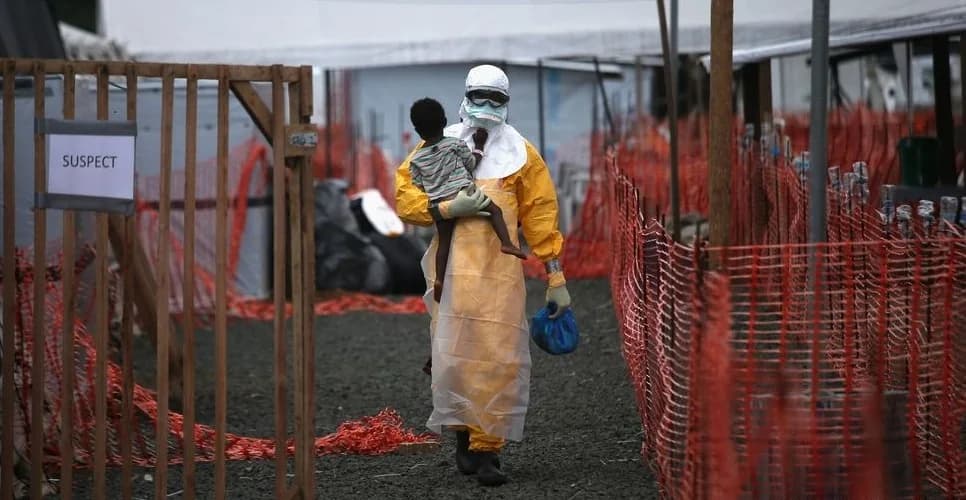
Ebola recovery explained: The tests patients must pass before leaving hospital

Kenya is monitoring exposed contacts for 21 days, but confirmed Ebola patients must undergo treatment and meet strict clinical and laboratory requirements before they can be discharged from hospital.
As Kenya steps up surveillance following confirmation of a second case of Bundibugyo virus disease, health officials are monitoring people who may have been exposed to the virus to detect infections early and prevent further spread. By October 13, 108 contacts linked to the first patient were in quarantine and undergoing daily symptom checks.
But how do health workers determine when an exposed person is safe to leave quarantine? And what must happen before a patient who has tested positive for Ebola can be discharged from hospital?
Francis Nganga, a Ministry of Health official, explained during a ministry workshop on preparedness and case management that the two situations involve different procedures. People who have been exposed to the virus but have not developed the disease are monitored for 21 days, while confirmed patients must receive treatment and meet specific clinical and laboratory requirements before discharge.
The 21-day monitoring period is based on the time Ebola can take to cause symptoms after exposure, known as the incubation period.
During this period, health workers check exposed individuals for signs of illness, including fever, headache, muscle pain, weakness, vomiting and diarrhoea.
“Being placed under quarantine does not mean that someone has Ebola,” Nganga explained, noting that quarantine helps health workers identify infections early and prevent the virus from spreading.
Latest Stories
- African countries could save billions by cutting air pollution and greenhouse gases at the same time
- Nominated Senator Crystal Asige joins Winnie Odinga and Jalang’o in Nairobi Senate race
- Tusker FC suffer home defeat as Singida strike puts CAF Confederation Cup hopes at risk
- Ecuadorian priest dies after giant wooden crucifix crashes down on him during live-streamed Mass
People who remain well throughout the 21 days, counted from their last possible exposure, may be released from monitoring once they meet the required public health conditions. However, anyone who develops symptoms must be assessed promptly, isolated where necessary and tested for the virus.
For patients who test positive for Ebola, however, completing 21 days without symptoms is not the standard for determining recovery. They require medical care and appropriate testing before they can be discharged.
Nganga said patients must be clinically stable and have two consecutive negative test results, with samples collected 48 to 72 hours apart, before they can be declared cleared of the acute infection under the applicable treatment protocol.
One of the main tests used to detect Ebola is the polymerase chain reaction (PCR), which looks for the genetic material of the virus in a patient's sample.
Laboratory testing is essential because Ebola can cause symptoms similar to those of other illnesses, including malaria. A person experiencing fever, headache or weakness may have another disease, making it necessary for health workers to consider test results alongside symptoms and the patient's exposure history.
A patient should not be declared recovered simply because a fever has subsided or other symptoms have disappeared. A medical assessment and the required laboratory results are essential before discharge.
Nganga explained that health workers initially assess people suspected of having Ebola by examining their symptoms, possible exposure and other links to the disease within the preceding 21 days.
Those who meet the criteria are isolated where necessary while samples are collected for testing. Healthcare workers must wear appropriate protective equipment and follow strict safety procedures to minimise the risk of infection.
How Ebola patients are treated
Ebola can cause severe illness, making close medical supervision essential. Treatment focuses on managing symptoms and complications while supporting the body's ability to recover.
Patients may receive fluids to prevent dehydration, nutritional support and oxygen when necessary. Doctors also closely monitor their condition and treat complications as they arise.
Specific treatments are available for some types of Ebola, but the options depend on the virus responsible for the infection and the treatment guidelines being followed.
Preventing further infections is another critical part of patient care. Ebola spreads through direct contact with the blood and other body fluids of an infected person, particularly when these fluids enter broken skin or reach the eyes, nose or mouth.
Health facilities must therefore ensure that workers use protective equipment correctly, wash their hands, clean contaminated surfaces and dispose of infectious waste safely.
These precautions protect healthcare workers, other patients and anyone who may come into contact with an infected person.
What happens after an Ebola patient recovers?
Discharge from an Ebola treatment centre does not necessarily mean that all body fluids are immediately free of the virus.
In some survivors, viral material can persist for a period in certain body fluids or protected parts of the body. Depending on the circumstances and national guidance, survivors may require additional tests and advice on precautions to follow after discharge.
Nganga highlighted the importance of follow-up care, counselling and psychological support for people recovering from Ebola.
Survivors should receive clear information about their health, where to seek further medical attention and any precautions they may need to observe. They should not be stigmatised or treated as infectious through ordinary daily contact simply because they previously had the disease.
Psychological support is also important because isolation and quarantine can cause fear and stress. People need to understand why they are being monitored, which symptoms to report and how health workers will determine when they can leave.
Clear communication can help reduce anxiety, counter misinformation and encourage people who may have been exposed to cooperate with health authorities.
Kenya's Ebola outbreak: Latest figures
In an update issued on October 14, the Ministry of Health reported that it had identified 128 contacts linked to the first case and traced 113 of them by October 13. Of those traced, 108 were in quarantine in Kenya, while five were outside the country. Efforts to locate the remaining contacts were continuing.
The second patient, a 39-year-old man and close family member of the first patient, developed symptoms while in quarantine and tested positive on October 13. He was transferred to a designated treatment centre for supportive care.
As of October 15, Kenya had recorded two confirmed cases and one death. The Ministry said the cases were linked and that there was no evidence of wider community transmission at the time of its statement.
The distinction is critical: people exposed to Ebola who remain well are monitored for 21 days, while those who develop the disease require medical treatment and must meet the applicable clinical and laboratory criteria before discharge.
Although there is no universal cure for Ebola, supportive care and specific treatments for some virus types can improve patients' chances of recovery.


Comments
No comments yet. Be the first to share your thoughts.