
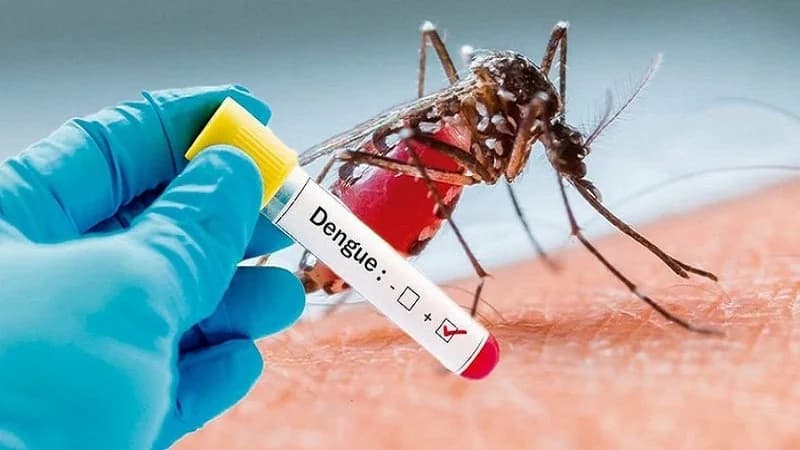
Explainer: Why a second dengue infection can be more dangerous than the first

New research explains how antibodies from a previous dengue infection can sometimes increase the risk of severe illness, offering clues for developing vaccines that protect against all four virus types.
Recovering from dengue does not always mean the body is better equipped to fight the virus next time. In some cases, a second infection can trigger a more severe illness, as antibodies from the first infection may actually help the virus spread through the body.
New research is shedding light on why this happens, offering insights that could help scientists develop vaccines capable of providing broader and longer-lasting protection against the four types of dengue virus.
The study, published in Science Translational Medicine, examined how previous dengue infections and existing antibodies influence the body's response to subsequent infections. Researchers say the findings could help guide the development of vaccines that protect against all four types of the virus.
More To Read
Dengue is a viral infection transmitted through the bites of infected Aedes mosquitoes, particularly Aedes aegypti. It is common in tropical and subtropical regions and can cause high fever, severe headaches, muscle and joint pain, nausea and skin rashes.
Most people recover, but some develop severe dengue, which can cause bleeding, shock, organ damage and death, according to the World Health Organisation (WHO).
Why a second infection can be more dangerous
Latest Stories
- Ethiopian arrivals fleeing Moyale conflict into northern Kenya rise to nearly 50,000
- People's Coalition questions citizenship of applicants in IEBC CEO recruitment list
- Nairobi Water driver convicted over forged KCSE certificate, ordered to pay Sh7.5 million
- Several injured as Forward Sacco matatu overturns along Kangundo Road
There are four main types of dengue virus, known as DENV-1, DENV-2, DENV-3 and DENV-4. A person infected with one type usually develops lasting protection against that particular type, but this does not guarantee immunity against the other three.
Antibodies are proteins produced by the immune system to recognise and fight infections. After recovering from dengue, a person typically develops antibodies that provide lasting protection against the specific type of virus that caused the infection. However, these antibodies may offer only partial or temporary protection against other dengue types.
However, when someone becomes infected with a different dengue type, some antibodies produced during the earlier infection may not be strong enough to neutralise the new virus.
Instead, they can sometimes help the virus enter certain immune cells, where it can multiply. This process is known as antibody-dependent enhancement (ADE).
The process can increase the amount of virus circulating in the blood and potentially raise the risk of developing severe dengue.
However, a second infection does not automatically result in severe illness. The risk depends on several factors, including the type of virus, the strength and nature of existing antibodies, and other immune responses.
What the researchers discovered
To investigate how previous exposure affects subsequent infections, researchers enrolled 45 healthy adults with different histories of dengue infection. Some had never been infected, while others had experienced one or more previous infections.
Under controlled conditions, participants were exposed to a live but weakened strain of DENV-3, allowing scientists to monitor their immune responses and examine how previous infections influenced the body's ability to control the virus.
The findings showed that participants whose existing antibodies were more likely to facilitate viral multiplication recorded higher levels of the virus in their blood.
They also experienced delayed immune responses and a decline in some protective immune cells and antibodies.
In contrast, participants with higher levels of antibodies against a dengue protein called nonstructural protein 1 (NS1) demonstrated a more balanced immune response and better control of the virus.
The findings suggest that protection against dengue depends not simply on the quantity of antibodies in the body, but also on the type of antibodies produced and how effectively they respond to different strains of the virus.
Researchers say the results could help scientists identify the specific immune responses that vaccines need to trigger to provide protection against all four dengue types.
However, the study involved only 45 adults and used a weakened virus under controlled conditions. Further research is therefore necessary before the findings can be used to predict responses during natural dengue infections or determine which vaccines offer the best protection.
Dengue burden continues to rise
The World Health Organisation reported more than 14.4 million dengue cases and 11,201 deaths globally in 2024, making it the highest annual number of reported cases on record at the time. More than 100 countries reported dengue transmission.
Dengue is also an increasing public health concern in Africa, where outbreaks have been reported in several countries.
Kenya has experienced outbreaks, including in Garissa County. A WHO situation report published in June 2026 recorded 1,583 cumulative dengue cases in the ongoing outbreak across three sub-counties in Garissa, with five suspected deaths reported.
These figures reflect the outbreak situation at the time of the report and should not be interpreted as the current national total.
The latest research does not suggest that everyone who contracts dengue a second time will develop a more severe illness. Instead, it helps explain why some people may face a higher risk and why understanding the body's immune response to different dengue types is critical to developing effective vaccines.
Prevention and treatment
There is currently no specific antiviral treatment that cures dengue. Medical care focuses on managing symptoms, maintaining adequate fluid levels and identifying warning signs early. Severe cases may require hospitalisation.
The WHO advises people with suspected dengue to seek medical attention, particularly if they develop severe abdominal pain, persistent vomiting, bleeding or difficulty breathing.
Preventing mosquito bites and eliminating mosquito breeding sites remain essential in reducing infections.
Measures include removing stagnant water from containers, covering water storage vessels, using mosquito repellents and taking other precautions to avoid mosquito bites.


Comments
No comments yet. Be the first to share your thoughts.