
France records first human case of Shamonda virus: What is it and should you be concerned?

The case has drawn attention because Shamonda virus had circulated among animals for decades without a documented human infection.
France has reported the first documented human infection with Shamonda virus, a disease previously known to affect animals, after a patient died earlier this month.
The patient had a severely weakened immune system and was receiving treatment for a serious illness at a hospital in Lyon, according to the French Agriculture Ministry. The case has drawn attention because Shamonda virus had circulated among animals for decades without a documented human infection.
This explainer looks at what Shamonda virus is, how it spreads among cattle and other animals, the symptoms it causes, and what France’s first documented human case reveals about the potential risks to people.
What is Shamonda virus?
Shamonda virus belongs to a group of viruses called orthobunyaviruses. It was first identified in Nigeria in the 1960s and has since been found in livestock in parts of Africa and Japan.
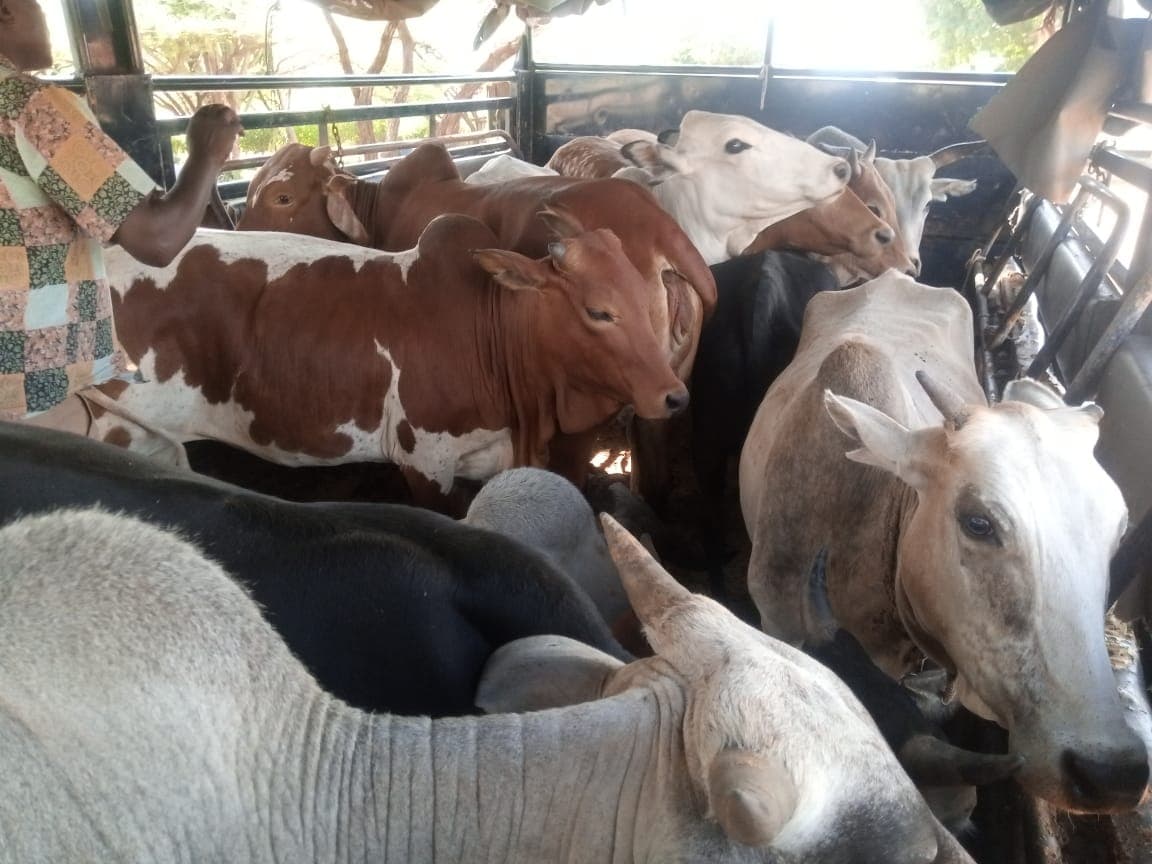
Its appearance in Europe earlier this year brought it to the attention of veterinary authorities in the region. France, Germany and Switzerland were among the countries where the virus was detected in animals. Cattle are the main known hosts, although infections have also been identified in other species, including sheep, goats and horses.
Latest Stories
- No new Ebola infections detected as Kenya prepares to release first contacts from quarantine
- Ruto challenges COMESA to fast-track market levy as he pushes for sustainable funding of regional programmes
- Six in 10 Ebola deaths in DRC occur outside treatment centres, WHO warns
- Ethiopian marathon star Ruti Aga banned for six years over doping and forged prescription
What happens when animals are infected?
In cattle, Shamonda virus can cause fever, diarrhoea, tiredness and a temporary drop in milk production. Some infections have also been associated with abortions and abnormalities in offspring when animals become infected during pregnancy.
However, the signs are not unique to Shamonda virus. Other livestock diseases can cause similar symptoms, so laboratory testing is needed to identify the infection.
Is there a vaccine or treatment?
There is currently no vaccine available for Shamonda virus in animals, according to the French Agriculture Ministry. There is also no treatment that eliminates the virus from an infected animal.
Veterinarians can provide care to manage symptoms, while farmers can reduce exposure to biting midges by removing insect breeding sites, including stagnant water and liquid manure, and using appropriate insect-control measures.
The virus is not classified as a regulated animal disease under European Union animal-health legislation, so infection does not automatically require the affected animals to be culled.
How did an animal virus reach a human?
The leading explanation is that an infected Culicoides midge transmitted the virus through its bite. These tiny insects are known to spread Shamonda virus among animals.
The suspected exposure occurred in eastern France, where the virus had been detected in livestock earlier this year. Investigators have not established every detail of the infection, and the suspected route remains under examination.
Could the virus spread more widely?
Authorities have not established human-to-human transmission. The suspected midge bite suggests that the patient may have acquired the infection through the same general route used by the virus in animals.
French authorities have said they have not identified a risk to the general population based on the evidence currently available. However, further investigation is needed to understand the circumstances of the infection and the virus's potential effects on humans.



Comments
No comments yet. Be the first to share your thoughts.