
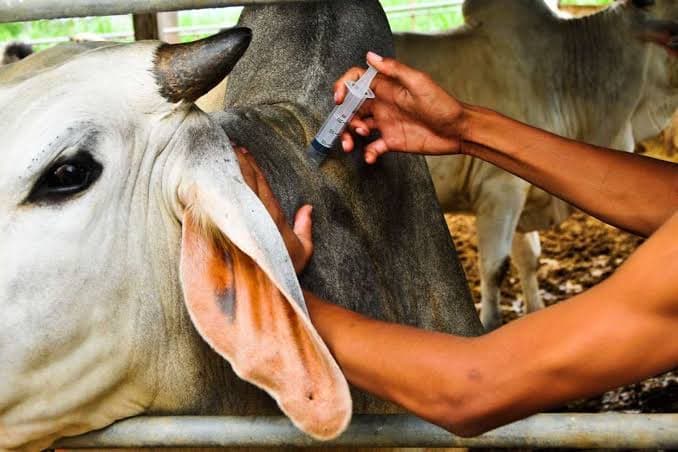
Kenya flagged at high risk of El Niño-driven Rift Valley fever outbreaks

Climate projections indicate that southern Ethiopia, Kenya and central and southern Somalia face a greater than 90 per cent probability of receiving more than 400 millimetres of rainfall during the forecast period.
Kenya is among six East African countries facing a heightened risk of Rift Valley fever outbreaks as El Niño-driven heavy rains and flooding create favourable conditions for the spread of the mosquito-borne disease.
The Food and Agriculture Organisation of the United Nations (FAO) and the Intergovernmental Authority on Development (IGAD) have warned that worsening weather conditions could trigger outbreaks between October 2026 and January 2027.
Ethiopia, Kenya, Somalia, South Sudan, Tanzania and Uganda have been classified as facing the highest risk, with Burundi and Rwanda also recording rising threats as rainfall intensifies across the region.
The warning raises concerns for Kenya's livestock sector and public health, given that Rift Valley fever (RVF) is a viral disease that affects animals such as cattle, sheep, goats, buffaloes and camels, but can also infect humans.
The disease is transmitted mainly through infected mosquitoes, although people can contract it through direct contact with infected animals, blood, tissues and other animal products.
FAO and IGAD reckon heavy rainfall and flooding associated with an El Niño event approaching record strength are likely to expand mosquito breeding grounds while disrupting veterinary services, making disease prevention and response more difficult.
Latest Stories
- Why African PR professionals are concerned about media freedom and AI misuse
- Former Attorney General Paul Kihara Kariuki dies aged 72
- Diabetes patients risk taking more drugs as treatment side effects trigger new prescriptions
- Kilifi residents blame SHA system outages for delayed emergency treatment
Notably, the current climate conditions are comparable to those experienced during the 1997-98 El Niño, which triggered one of the largest recorded Rift Valley fever epidemics and animal disease outbreaks in Eastern Africa.
Climate projections indicate that southern Ethiopia, Kenya and central and southern Somalia face a greater than 90 per cent probability of receiving more than 400 millimetres of rainfall during the forecast period.
Other countries, including Tanzania, Uganda, South Sudan, Burundi and Rwanda, are also expected to experience wetter-than-normal conditions.
According to FAO's October 2026 Rift Valley Fever Early Warning Decision Support Tool, Tanzania currently has the largest geographical area with conditions suitable for disease transmission, followed by Ethiopia, Kenya, South Sudan and southern Sudan.
New areas suitable for transmission have also emerged in southern Somalia, Rwanda and Burundi, with further expansion expected into Uganda as the rainy season progresses.
The agencies are calling on governments to strengthen risk-based surveillance, pre-position vaccines and essential medical and veterinary supplies, and improve coordination across national borders.
They are also advocating for a One Health approach, which brings together human health, animal health and environmental agencies to detect and contain outbreaks before they spread.
FAO's early warning system uses satellite observations, climate forecasts, disease surveillance information and expert analysis to identify areas facing elevated RVF risks up to three months in advance.
The system is designed to help governments target surveillance and preparedness measures before outbreaks occur, protecting livestock, livelihoods and human lives.


Comments
No comments yet. Be the first to share your thoughts.