
Lead poisoning kills 3.5 million people yearly as WHO warns of growing global threat

WHO says lead exposure causes more than 3.5 million deaths annually and affects up to 815 million children, urging governments to tighten controls on the toxic metal.
The World Health Organisation (WHO) has urged governments to strengthen controls on lead exposure, which is estimated to cause more than 3.5 million deaths worldwide annually. The warning comes as fewer than half of countries have confirmed legally binding restrictions on lead in paint.
The agency estimates that up to 815 million children, or about one in three worldwide, are affected by lead poisoning, which can cause lasting damage to their health and development. Low- and middle-income countries account for 90 per cent of deaths linked to lead exposure.
People can be exposed to lead through paint, cookware, cosmetics, spices, informal recycling and industrial activities. Children are particularly vulnerable because their developing brains and nervous systems are more susceptible to the metal’s harmful effects. Exposure can lead to long-term problems with learning, behaviour and development.
Adults are also at risk of cardiovascular and kidney diseases. The damage can go unnoticed because symptoms are not always immediately apparent. WHO warns that there is no known safe level of lead exposure.
In 2023, lead exposure was estimated to account for more than 71.5 million years lost to disability worldwide, including years lost through premature death and time spent living with illness or disability.
The economic cost is equally staggering. According to a WHO technical document released in May, lead exposure cost the global economy an estimated $6 trillion (Sh770 trillion) in 2019. As of January 2024, only 94 countries, representing 48 per cent of the total, had confirmed legally binding controls on lead paint.
Latest Stories
- African countries could save billions by cutting air pollution and greenhouse gases at the same time
- Nominated Senator Crystal Asige joins Winnie Odinga and Jalang’o in Nairobi Senate race
- Tusker FC suffer home defeat as Singida strike puts CAF Confederation Cup hopes at risk
- Ecuadorian priest dies after giant wooden crucifix crashes down on him during live-streamed Mass
WHO is calling for stronger preventive measures, including eliminating lead from products and environments before people are exposed to the toxic metal.
“Lead poisoning should not be stealing children’s potential in 2026,” said Bruce Gordon, interim director of WHO’s Department of Environment, Climate Change, One Health and Migration.
The agency is preparing a Global Action Plan on Lead Mitigation, which is expected to be presented to the World Health Assembly in 2027. It also plans to issue technical guidance to help countries identify major sources of lead exposure, strengthen regulations and monitor efforts to prevent poisoning.
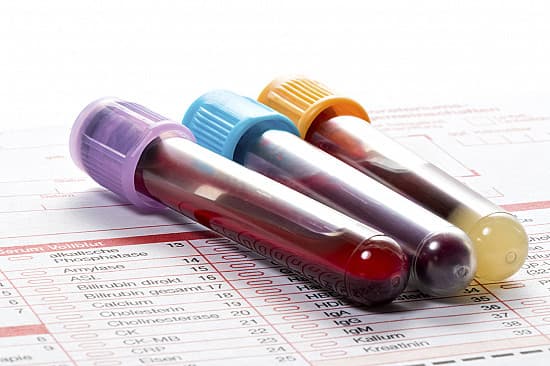
WHO has also partnered with other organisations in an initiative to strengthen laboratory capacity for testing blood lead levels, helping identify people who have been exposed to the toxic metal.
The programme covers Brazil, India and Nepal, alongside six African countries: Ethiopia, Ghana, Malawi, Rwanda, South Africa and Tanzania.


Comments
No comments yet. Be the first to share your thoughts.