
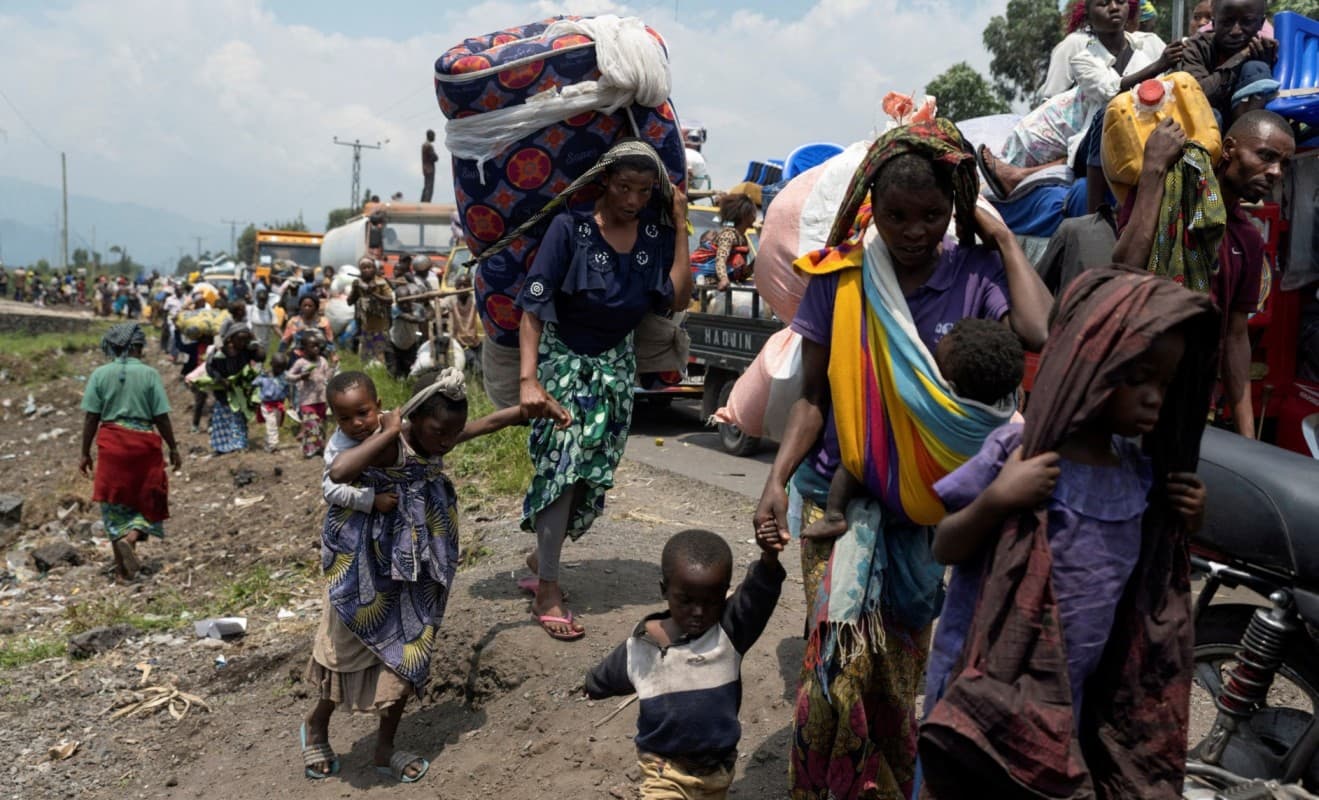
Médecins Sans Frontières (MSF) has warned that restrictions imposed by de facto authorities in North Kivu, eastern Democratic Republic of Congo, are preventing survivors of sexual violence from accessing essential medical care.
The measures introduced since the beginning of 2026 include requiring survivors to obtain police reports before receiving treatment, subjecting them to unnecessary physical examinations, and limiting access to care to the first 72 hours after an assault.
Health authorities have also reportedly pressured healthcare workers to reduce the number of recorded cases by narrowing the definition of sexual violence and requiring facilities to collect sensitive personal information, including survivors' names, addresses and details of alleged perpetrators.
MSF says the measures violate medical confidentiality, expose survivors to further risks and discourage people from seeking help. Healthcare workers and humanitarian partners have also reportedly faced threats of suspension or imprisonment for failing to comply.
The organisation says the restrictions have already affected access to treatment, with consultations falling sharply in facilities it supports across North Kivu.
A review of data from some of the health centres found that the number of people seeking care for sexual violence fell by 41 per cent in August 2026 compared with January. In other facilities, monthly consultations dropped from about 80 in 2025 to as few as nine in 2026.
“Making the crisis less visible does not make the underlying violence disappear,” MSF Director of Operations Akke Boere said, warning that fewer reported cases did not mean sexual violence was declining but that survivors were facing barriers to safe and confidential care.
MSF acknowledged commitments made by the de facto authorities in early October to address the restrictions but said the promised corrective measures had yet to be implemented.
The organisation is calling for the immediate removal of the barriers and clear instructions to health authorities to protect healthcare workers and guarantee confidential access to treatment.
“The priority must be to remove barriers to care, strengthen protection and access to justice, and address the conditions that allow sexual violence to persist,” Boere said.
MSF further emphasised that access to medical treatment should never depend on whether a survivor reports an assault to the police or pursues legal action, noting that such requirements could expose victims to further harm and delay urgent care.
Sexual violence remains a longstanding crisis in eastern DRC, where decades of armed conflict, weak protection systems and limited access to justice have left many survivors vulnerable.
MSF currently provides medical care through 16 projects in North Kivu, South Kivu and Ituri. In 2025, its supported facilities treated about 53,000 survivors of sexual violence across the DRC, while more than 19,400 people received care in North Kivu alone during the first half of 2026.

Comments
No comments yet. Be the first to share your thoughts.