
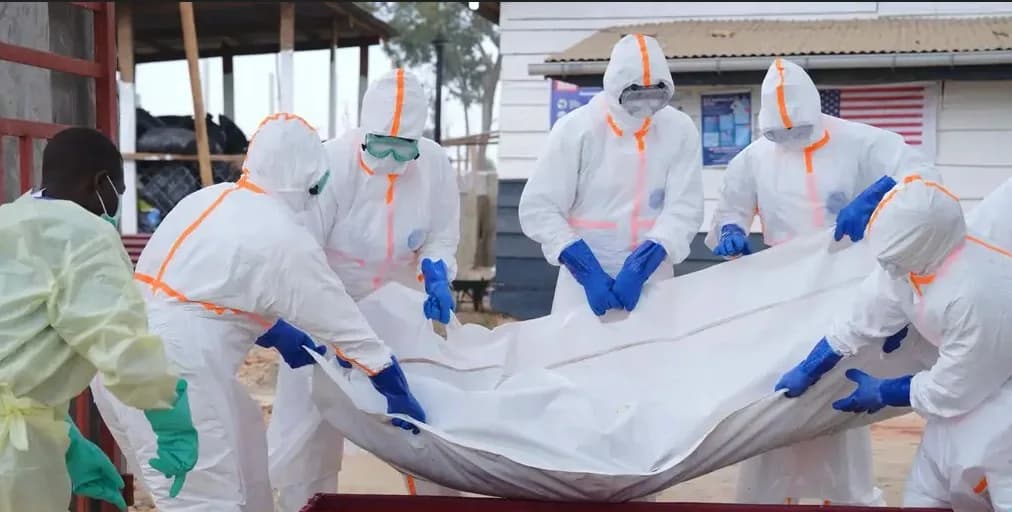
Six in 10 Ebola deaths in DRC occur outside treatment centres, WHO warns

World Health Organisation (WHO) Regional Director for Africa Dr Mohammed Janabi warned that the outbreak was testing the strength of health systems and required urgent, coordinated action across the region.
Six out of every 10 Ebola deaths in the Democratic Republic of the Congo (DRC) have occurred outside treatment centres, raising concerns about delayed diagnosis, gaps in contact tracing and difficulties accessing timely medical care as the outbreak continues to spread.
Speaking during a briefing, World Health Organisation (WHO) Regional Director for Africa Dr Mohammed Janabi warned that the outbreak was testing the strength of health systems and required urgent, coordinated action across the region.
“Ebola does not wait. It tests the strength of our health systems, and it is a regional concern,” Dr Janabi said, calling for stronger surveillance, early detection and closer cooperation among affected countries.
The DRC remains at the centre of the outbreak, with infections spreading across several provinces. Dr Janabi described the situation as complex, noting that the spread of the virus requires countries to strengthen preparedness and work together to prevent further transmission.
The high number of deaths occurring outside treatment centres presents a major challenge to containment efforts. Patients who are not diagnosed early may continue interacting with family members and other community members before receiving care, increasing the risk of further infections.
Dr Janabi emphasised that contact tracing must go hand in hand with community engagement. Health teams need the cooperation of people who may have been exposed to the virus to identify contacts, monitor symptoms and ensure that those who become ill receive prompt medical attention.
Latest Stories
- Ethiopian marathon star Ruti Aga banned for six years over doping and forged prescription
- Kenya accounts for all 135 Ebola contacts linked to Patient Zero as virus response intensifies
- Ebola outbreak rebounds in DRC as cross-border spread heightens concerns
- Airbnb to restrict hosts from imposing time-consuming chores on guests
However, fear, hesitation and mistrust can prevent people from reporting symptoms or cooperating with response teams, allowing transmission to continue undetected. Building trust with communities is therefore essential to breaking chains of infection.
The outbreak has also placed health workers at considerable risk. Dr Janabi noted that more than 300 health workers in the region had contracted Ebola, further straining the response as medical teams work to identify cases, provide treatment and protect communities.
Infections among health workers highlight the importance of adequate protective equipment, strict infection prevention measures and safe working conditions in healthcare facilities. Protecting frontline workers is essential to maintaining health services and ensuring that patients can receive care without exposing others to the virus.
The WHO is working closely with national authorities and other partners to strengthen surveillance, contact tracing, clinical care and community engagement. Despite these efforts, the spread across several provinces and the movement of people across borders continue to complicate containment.
Dr Janabi called for stronger collaboration among governments, health agencies and communities, stressing that the outbreak cannot be controlled by one country or institution working alone.
He emphasised that finding cases early, ensuring that patients receive timely care and gaining the trust of affected communities remain critical to reducing deaths and preventing further spread.
As the response continues, health authorities face the dual challenge of protecting frontline workers and ensuring that people seek care early enough to prevent infections from spreading within households and communities.

Comments
No comments yet. Be the first to share your thoughts.