
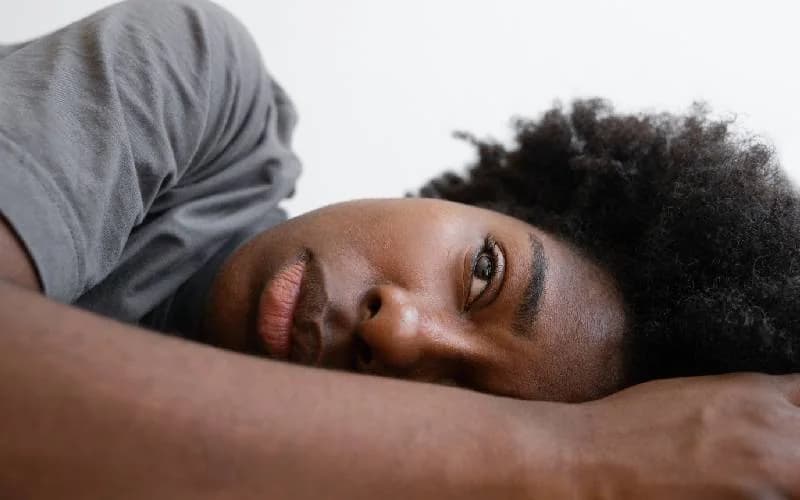
Study identifies new subtype of depression linked to body's internal clock

The body's internal clock helps regulate when people feel sleepy or alert. Researchers linked circadian depression to disruptions in this cycle, which can affect sleeping patterns and daily routines.
Researchers have identified a possible subtype of depression linked to the body's internal clock, with people affected reporting that common antidepressants did not work as well for them.
The study, published in the British Journal of Psychiatry, examined data from 11,380 Australians with mostly severe or recurring depression. Researchers found that 2,604 participants, or 23 per cent, had a pattern of symptoms they called “circadian depression”.
The body's internal clock helps regulate when people feel sleepy or alert. Researchers linked circadian depression to disruptions in this cycle, which can affect sleeping patterns and daily routines.
To identify the group, researchers looked at signs, including going to bed late, sleeping longer during periods of depression, waking up feeling tired and following different sleep schedules during the week and at weekends. Participants had to show at least three of these signs to fit the researchers' definition.
Those who met the criteria also reported more severe symptoms and an earlier onset of depression than those who did not. They had experienced more episodes of the illness and were more likely to report suicidal thoughts and symptoms resembling psychosis.
The differences were accompanied by reported problems with treatment. Participants classified as having circadian depression said two widely used groups of antidepressants, known as SSRIs and SNRIs, were less effective for them and caused more side effects.
Latest Stories
However, the researchers relied on participants' accounts of their experiences with medication. The study did not test different treatments to establish which worked best, so the findings do not prove that these drugs are ineffective for people with this pattern of depression.
The researchers also found differences in the groups' genetic profiles and in markers linked to inflammation and metabolism, suggesting that the proposed type of depression may involve more than sleep problems alone.
“This study strengthens the evidence base for a circadian subtype of depression as a biologically valid and clinically useful phenotype of depression,” the researchers said.
The findings could eventually help doctors better understand why some people respond differently to treatment. According to researchers, if further studies confirm the results, identifying this pattern could help clinicians consider treatments that address disruptions to the body's internal clock.
These include exposure to bright light in the morning and keeping regular sleeping and waking times. Melatonin, a hormone that helps regulate sleep, could also be investigated as a possible treatment.


Comments
No comments yet. Be the first to share your thoughts.